Ghana launches new five-year adolescent pregnancy strategy amid growing health crisis
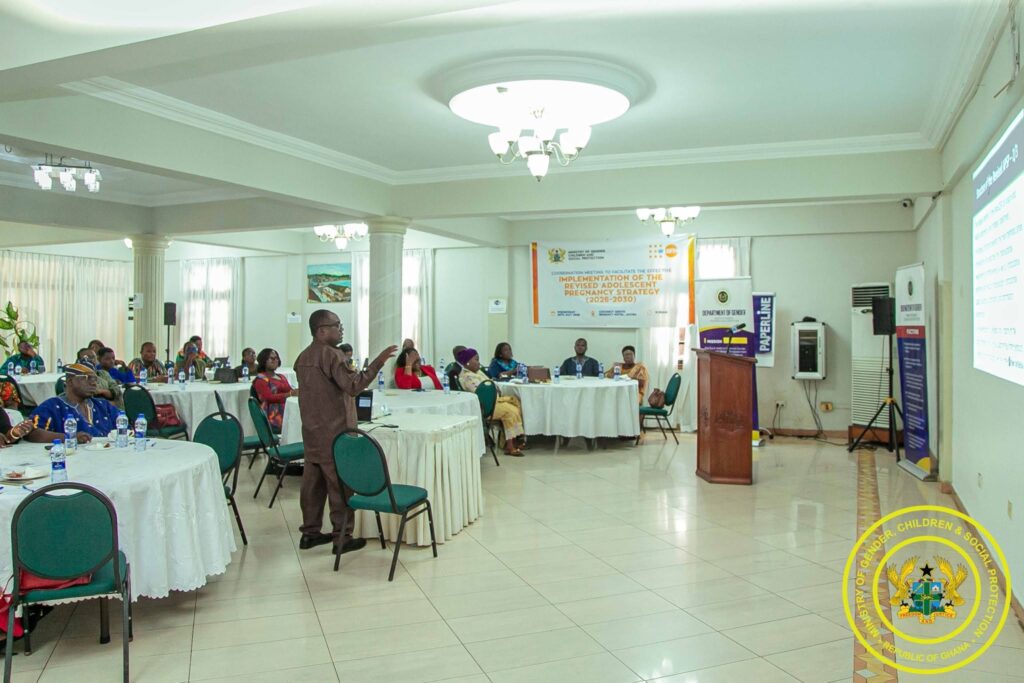
Ghana's Ministry of Gender, Children and Social Protection has unveiled a comprehensive new framework to combat adolescent pregnancy, bringing together government agencies, civil society groups, religious leaders and development partners to coordinate a unified response to a deepening public health challenge.
The Revised Adolescent Pregnancy Strategy (2026–2030), developed in partnership with the United Nations Population Fund (UNFPA), was presented at a stakeholder coordination meeting organised by the Department of Gender. The strategy builds on lessons learned from the previous five-year plan and aims to establish clearer roles, stronger institutional collaboration and evidence-based interventions across Ghana's health, education and child protection sectors.
The scale of the problem
Adolescent pregnancy represents a critical development concern in Ghana, with official data revealing that approximately 15 per cent of girls aged 15 to 19 have experienced pregnancy. More troublingly, Ghana records over 100,000 teenage pregnancies annually—a figure that underscores the urgency of coordinated action.
Speaking at the meeting, a Chief Programme Officer from the Department of Gender emphasised that the consequences extend far beyond individual health outcomes. Early pregnancy disrupts girls' educational trajectories, strains healthcare systems, perpetuates gender inequality, undermines child protection efforts and constrains economic productivity at both household and national levels.
What the new strategy aims to deliver
The revised framework prioritises several interconnected objectives:
- Empowering adolescents with knowledge and skills to delay sexual activity and make informed decisions about their bodies and futures
- Improving access to comprehensive, youth-friendly sexual and reproductive health services
- Strengthening institutional coordination between education, health, child protection and social welfare sectors
- Protecting and promoting the rights of young people, particularly girls
- Creating pathways for adolescents to complete their education and transition into productive adulthood
Prof. Stephen O. Kwankye of the University of Ghana, who presented the strategy's overview, explained that the document reflects emerging priorities and lessons from implementation challenges encountered between 2018 and 2024. The new approach recognises that preventing adolescent pregnancy requires action beyond the health sector alone, involving families, schools, communities, religious institutions and media.
Why it matters for Ghana
Adolescent pregnancy is deeply embedded in Ghana's broader development challenges. When girls become pregnant during their teenage years, they typically leave school—narrowing their career prospects and economic independence. This creates intergenerational cycles of poverty and limits Ghana's human capital development at a time when the country is trying to build a skilled workforce.
The strategy also intersects with Ghana's commitments under international agreements, including the Sustainable Development Goals focused on health, education and gender equality. By coordinating responses across government, civil society and development partners, Ghana aims to demonstrate a comprehensive approach that other West African nations may learn from.
The coordination meeting brought together representatives from government agencies, academic institutions, traditional and religious leaders, youth organisations and media outlets—acknowledging that preventing adolescent pregnancy requires cultural sensitivity and community buy-in. Success will depend on translating the strategy's objectives into practical, resourced programmes at district and community levels over the next five years.
Source: MyJoyOnline



Comments (0)
Be the first to comment.