
Ashanti bread seller found dead in Tanoso room after four days of isolation
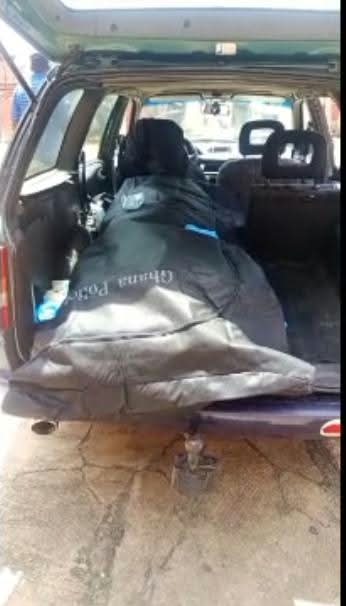

A 40-year-old bread seller has been discovered dead in her rented room in Tanoso, Kwadaso Municipality, Ashanti Region, after spending at least four days without contact with neighbours. The woman, identified as Anita, was found lying on her bedroom floor on Wednesday morning following concerns from residents who noticed an overpowering stench emanating from her locked room.
According to eyewitness accounts, Anita was last observed on Sunday by housemate Tiwaa Lydia. The alarm was raised when someone came searching for the woman, prompting concerned neighbours to investigate. Upon peering through her window, residents spotted her motionless body and immediately mobilised help to force entry into the room.
How the discovery unfolded
The incident has raised troubling questions about isolation and community oversight in residential compounds across the Kwadaso Municipality. Tiwaa Lydia recounted the moment of discovery: "Someone came to look for her, which drew our attention. When we got to her door, we started perceiving a strong foul smell. We looked through the window and saw that she was lying on the floor."
Local authorities responded swiftly after being alerted. Aaron Namdie, Assembly Member for Tanoso Electoral Area, contacted police, leading to the deployment of the Ashanti Regional Police Crime Scene Management team and officers from Tanoso Police Station. The body was examined at the scene before being transferred to the morgue at Komfo Anokye Teaching Hospital (KATH) for preservation pending autopsy.
In response to potential health hazards, the Kwadaso Municipal Environmental Health Department fumigated the deceased's room and surrounding areas as a precautionary measure.
Why it matters for Ghana
This tragic incident highlights critical vulnerabilities in how communities monitor vulnerable residents, particularly those living alone in urban and semi-urban settings across Ghana. The case exposes gaps in neighbourhood cohesion and the dangers facing single occupants with limited social safety nets.
Mr Namdie's acknowledgment that similar deaths have occurred in the electoral area previously suggests this is not an isolated problem but part of a broader pattern requiring systemic attention. The delayed discovery—spanning nearly a week—underscores how isolation can become fatal when combined with limited community engagement and family contact.
The incident also raises public health concerns about disease transmission and environmental contamination when bodies remain undiscovered for extended periods. The swift fumigation response demonstrates municipal awareness of these risks, yet prevention through early detection remains preferable.
Next steps and investigations
Police have initiated preliminary investigations into the circumstances of Anita's death, with the official cause of death pending autopsy results. The family is expected to be contacted for further funeral arrangements and to provide additional context about her health status and any underlying medical conditions.
Assembly Member Namdie has appealed to residents to strengthen community bonds and report unusual absences, particularly when neighbours cannot be reached over extended periods. His warning signals a need for formalised neighbourhood watch systems and clearer protocols for checking on isolated residents, especially bread sellers and informal traders who may lack regular workplace supervision.
The case serves as a sobering reminder that community vigilance and family contact remain vital safeguards for Ghana's growing urban population, many of whom live far from extended family networks.
Source: MyJoyOnline





Comments (0)
Be the first to comment.