
Misinformation poses biggest threat to Ghana's Ebola preparedness, GHS warns
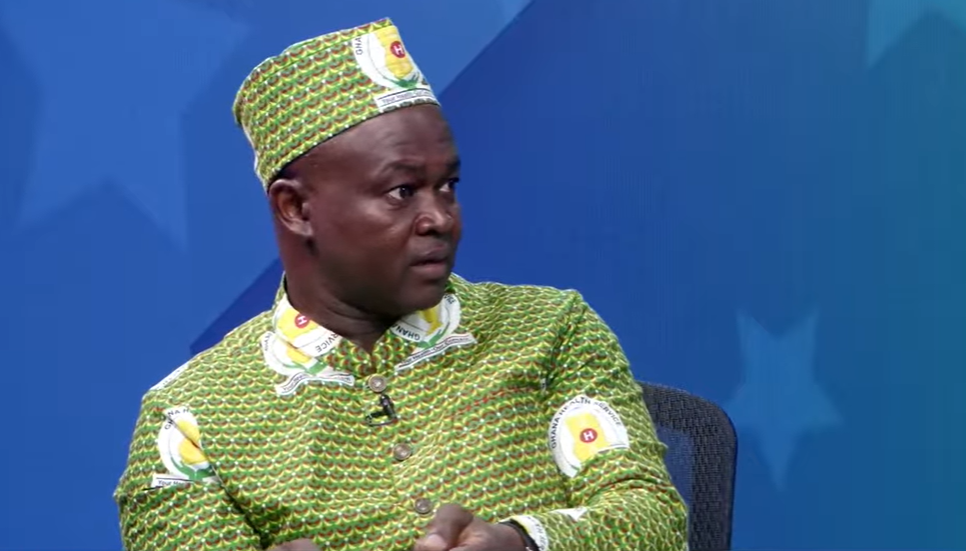

Ghana's top health official has sounded a stark warning: as the country fortifies its defences against a potential Ebola outbreak, the spread of unverified claims and false information could prove more damaging than the virus itself. Dr Samuel Kaba Akoriyea, Director-General of the Ghana Health Service, stressed that misinformation represents an existential threat to public health communication during health emergencies, calling on journalists, content creators and social media users to cross-check all claims with official sources before publication or sharing.
Speaking on Joy News' PM Express programme on 26 October, Dr Akoriyea emphasised the critical importance of accuracy in an era where information travels at lightning speed across platforms such as TikTok, WhatsApp and Facebook. He noted that the rapid circulation of unverified health reports can easily distort public understanding, create panic and undermine trust in government health messaging precisely when citizens need clear, credible guidance.
Ghana's heightened Ebola readiness
The appeal reflects growing regional concern following recent Ebola cases reported across parts of Africa, prompting countries including Ghana to strengthen surveillance systems, isolation protocols and emergency response capabilities. Dr Akoriyea disclosed that Ghana has intensified preparedness measures to tighten response procedures, though he acknowledged a sobering reality: true readiness cannot be fully tested until an actual case emerges on Ghanaian soil.
"We have increased our preparedness to make sure that we tighten all the knots," he stated, adding that whilst no level of preparation guarantees a flawless response, thorough advance work significantly reduces errors and saves lives.
Ghana is drawing on institutional infrastructure established during the COVID-19 pandemic. The availability of Ga East Municipal Hospital and the University of Ghana Medical Centre (UGMC) proved invaluable during the coronavirus crisis, and these facilities now anchor the country's Ebola contingency planning. Dr Akoriyea indicated that lessons learned from managing COVID-19—including contact tracing protocols, isolation procedures and risk communication—are being refined and applied to strengthen responses to future viral outbreaks.
Why it matters for Ghana
For Ghanaians, this message carries direct implications. Public trust in health authorities depends entirely on the accuracy and consistency of information they receive. During disease outbreaks, fear is inevitable, but panic driven by false claims—such as unsubstantiated claims about transmission routes, symptoms or treatments—can lead people to avoid health facilities when they need care, delay seeking medical attention or adopt dangerous self-treatment practices.
The stakes are particularly high in Ghana's densely populated urban centres and cross-border communities, where rapid disease transmission is a genuine risk. Misinformation can also divert resources away from genuine preparedness efforts and erode the public cooperation essential for contact tracing and isolation measures.
Dr Akoriyea's appeal directly addresses ordinary Ghanaians: before sharing health information on social media, pause and verify through official channels. The Ghana Health Service website, Ministry of Health platforms and public health officials are the authoritative sources during emergencies.
The verification imperative
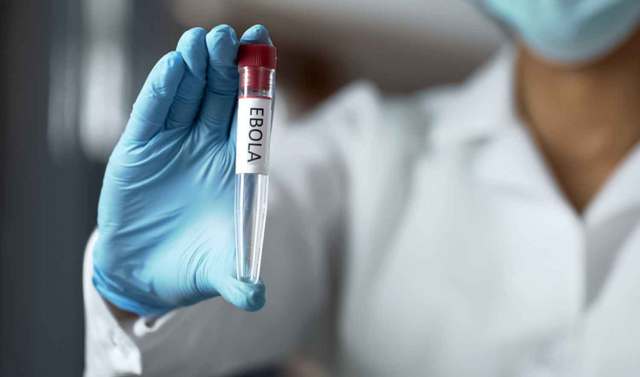
Ebola is a severe viral disease transmitted through direct contact with blood or bodily fluids of infected persons showing symptoms, or with contaminated surfaces. Controlling transmission depends on swift case identification, patient isolation, careful contact tracing and rigorous infection prevention measures—all of which depend on accurate public information and community cooperation.
False claims about Ebola—whether overstating risks, understating them or promoting unproven remedies—undermine these containment efforts. They fuel unnecessary fear, damage institutional credibility and can convince people to ignore legitimate health guidance.
As Ghana braces for potential health emergencies in an increasingly volatile regional epidemiological landscape, Dr Akoriyea's message is unambiguous: verification before publication is not merely good journalism or responsible social media use—it is a public health imperative.
Source: MyJoyOnline



Comments (0)
Be the first to comment.