Ghana's Farms Become Classrooms: Agricultural Knowledge Emerging as New Export
From Production Centre to Learning Hub
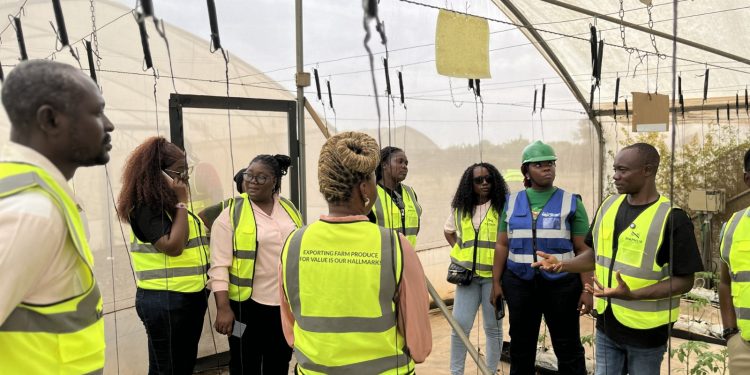
Ghana's agricultural sector is attracting growing international attention, not just for what it produces, but for how it produces it. Maphlix Trust Ghana Limited, an agribusiness company operating a greenhouse and irrigation facility in Dawhenya, Volta region, has become an unexpected destination for policymakers, investors and entrepreneurs from across Africa and beyond seeking practical knowledge in modern farming.
Since taking over the previously underutilised facility in 2025, the company has transformed it into a training and knowledge-exchange centre. Recent visitors have included a delegation from Liberia's Ministry of Agriculture and officials from a United Nations Industrial Development Organisation (UNIDO) programme, as well as 27 agribusiness executives from Indiana, USA. These visits reflect a broader recognition that successful farms offer valuable lessons in production systems, technology, business models and market integration.
A Continental Learning Opportunity
Dr. Felix Mawuli Kamassah, Chief Executive Officer of Maphlix, emphasises that Africa can learn from its own successes. "We want Africa to know that we can do it," he stated. "This is the time for us to believe in ourselves. We have the expertise here and we are happy for other countries to visit and learn from what we are doing."
Agricultural analysts note that countries like the Netherlands, Israel and the United States have long leveraged commercial farms as centres for innovation and technical exchange. Ghana could develop a similar niche by positioning its agribusiness ventures as regional and continental learning platforms, creating value beyond food production alone.
Building Regional Cooperation
The Dawhenya facility's model—integrating greenhouse production, irrigation management, technology adoption and skills development—addresses challenges across West Africa. For Liberia and other nations importing significant volumes of vegetables, studying Ghana's systems offers practical pathways to improve domestic productivity and reduce import dependence.
Kamassah believes knowledge exchange should replace competition on the continent. "Many African countries consume similar foods. Where there is a shortage, we should be able to work together and support each other," he noted. This vision of agricultural cooperation through knowledge-sharing could strengthen food security and create new opportunities for regional trade and investment across the continent.
Source: The Ghana Report


Comments (0)
Be the first to comment.