Ghana's automotive sector needs full manufacturing push, say industry leaders
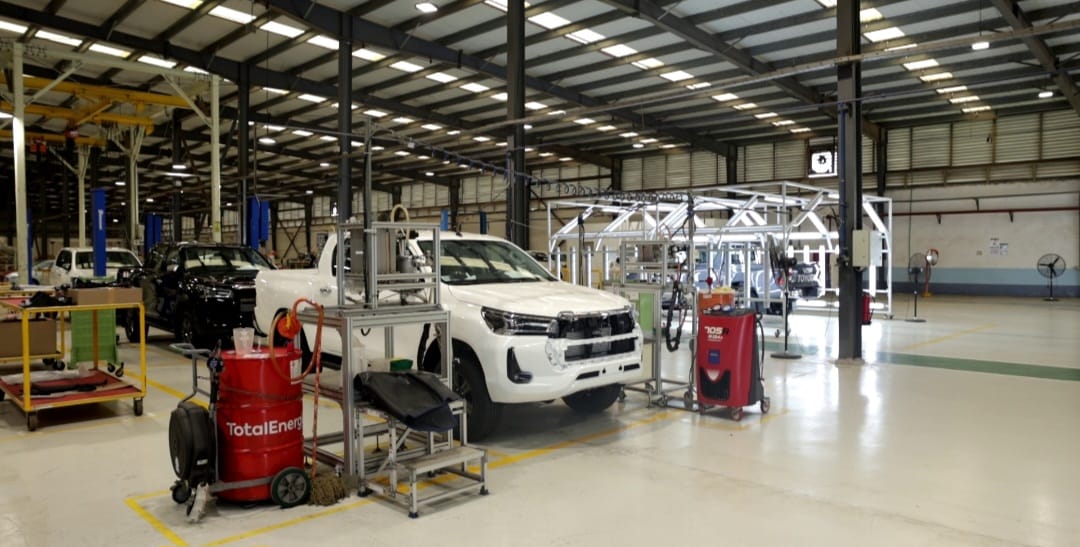
Unlocking Ghana's automotive potential
Ghana's automotive assembly sector must evolve beyond basic vehicle assembly into a fully integrated manufacturing industry, industry leaders have stressed. The recommendations came during a Citi Business Festival roundtable discussion that brought together executives from Japan Motors Ghana, Volkswagen Ghana, and officials from the Ministry of Trade, Agribusiness and Industry to assess progress on the Ghana Automotive Development Policy introduced in 2019.
The policy has attracted investments from six major international vehicle brands and established seven assembly plants across the country. However, participants acknowledged that several long-term objectives remain unmet, with locally assembled vehicles still competing heavily against cheaper imported used cars.
Five key recommendations for industry growth
- Restore fiscal incentives: Reintroduce VAT exemptions on locally assembled vehicles to improve competitiveness against imported used cars, which dominate Ghana's market due to affordability.
- Boost demand through government procurement: Enforce local content requirements in public sector vehicle purchases to give assemblers the production volumes needed to achieve economies of scale and reduce unit costs.
- Expand vehicle financing: Introduce asset-backed lending schemes and involve the financial sector to make new locally assembled vehicles more accessible to Ghanaian consumers.
- Develop local supply chains: Support component manufacturing through the proposed Ghana Automotive Component Manufacturing Policy, currently before Cabinet, to deepen domestic value addition.
- Ensure policy certainty: Maintain stable regulatory frameworks that provide assemblers with the confidence to invest in long-term production capacity.
Industry players noted that Ghana's automotive assembly market remains competitive, with ten assemblers and seven active assembly plants helping to moderate vehicle prices. However, imported vehicles currently attract cumulative tax burdens of between 20 and 21.9 percent through VAT and related levies, whilst locally assembled units face structural disadvantages.
Economists emphasised that expanded access to financing and increased government procurement of locally assembled vehicles would drive demand, enabling manufacturers to achieve economies of scale and reduce production costs. The development of a domestic automotive component supply chain is also critical to reducing reliance on imported parts and creating additional employment across the sector.
Source: The Ghana Report




Comments (0)
Be the first to comment.