
Ghana's Education Ministry insists BECE age directive won't hold back gifted pupils
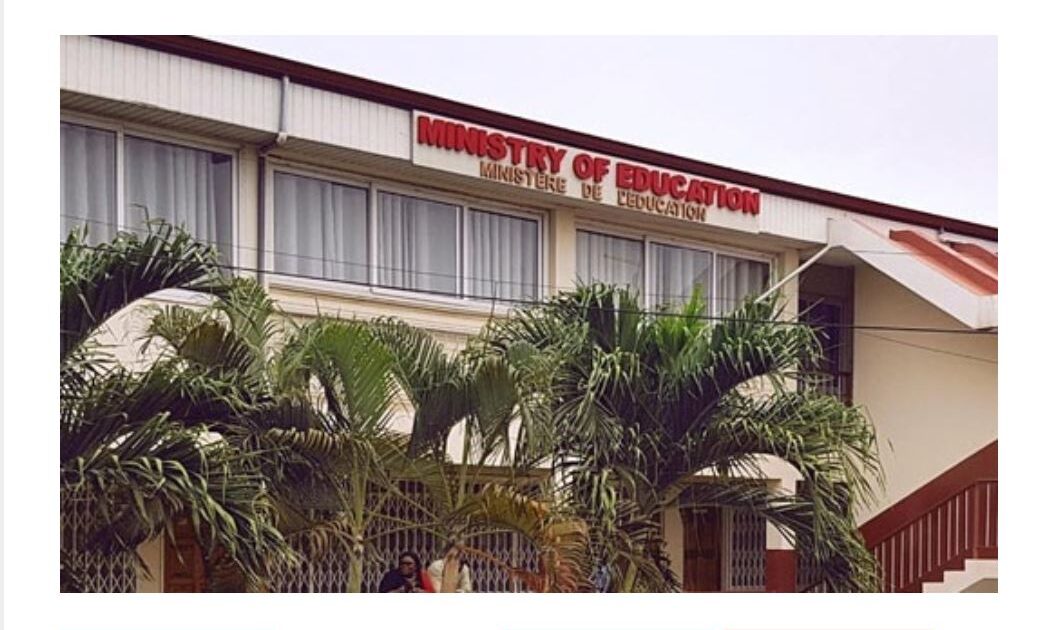

Ghana's Ministry of Education has moved to calm anxieties over a directive barring Junior High School 1 and 2 students from registering for the Basic Education Certificate Examination (BECE), insisting the policy is not a ceiling on gifted learners but rather a framework to ensure their holistic development. The clarification, issued on 24th November 2026, follows mounting concerns from parents, educators and child development advocates who feared the restriction could unfairly penalise academically advanced pupils.
What the directive actually says
The Ministry's statement acknowledges, plainly and without equivocation, that some Ghanaian children display intellectual abilities well beyond what is expected at their current stage of schooling. It describes such learners as a national asset whose talents must be identified, encouraged and properly nurtured — language that signals the government is not dismissive of giftedness as a concept.
Rather than allowing early BECE registration, however, the Ministry is proposing a suite of structured alternatives. These include differentiated instruction, whereby teachers tailor learning to the pace and depth a gifted child requires within the existing classroom setting; curriculum enrichment, which involves supplementing standard content with more challenging material; and specialised mentorship programmes that connect exceptional pupils with appropriate academic and professional guidance.
The Ministry also left the door open for formal academic acceleration — the process by which a pupil skips a year or sits an examination ahead of schedule — but stressed that any such decision must be professionally justified and formally approved, and must weigh the child's emotional maturity and social development alongside raw academic performance.
Why it matters for Ghana
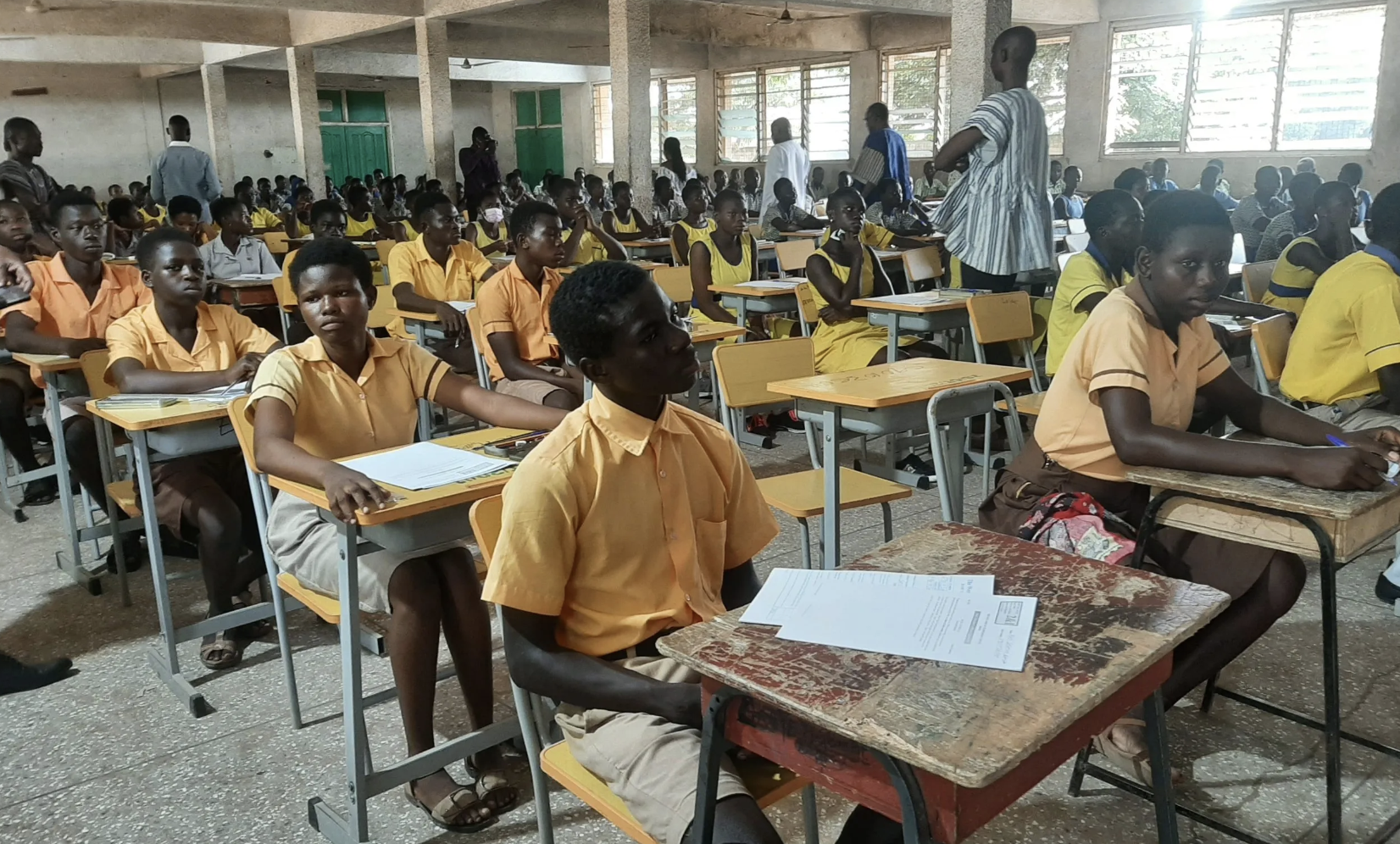
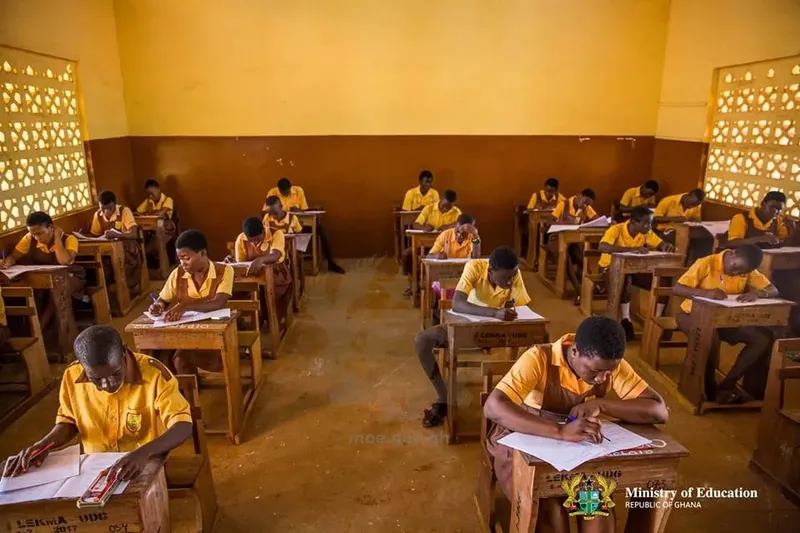
The BECE is the gateway examination that determines which senior high school a Ghanaian student can access, making it one of the most consequential assessments in the country's basic education system. For years, a small number of exceptionally young learners have sat the examination ahead of their cohorts, drawing both admiration and concern in equal measure.
Child development specialists have long cautioned that academic precocity does not automatically translate into emotional or social readiness for the demands of Senior High School life. Placing a ten or eleven-year-old in an SHS environment — often far from home and in a boarding setting — carries risks that test scores alone cannot measure. The Ministry's position aligns with this thinking, prioritising what it calls the learner's overall educational interests rather than examination results in isolation.
At the same time, Ghana's education system has historically lacked formal, well-resourced structures for identifying and supporting gifted children. Without credible alternatives, critics argue, restricting early BECE registration could simply leave brilliant young minds under-stimulated and disengaged in classrooms that move too slowly for them. The success of this directive will therefore depend heavily on whether the enrichment and mentorship mechanisms the Ministry is proposing are actually rolled out at the school level — particularly in public schools in less-resourced communities where gifted pupils are just as likely to emerge.
What happens next
The Ministry has not yet published detailed guidelines on how schools should identify gifted learners or how parents can formally apply for accelerated progression on behalf of their children. These details will be critical. Without a transparent, accessible process, there is a real risk that well-off families with connections will find ways to navigate the system while disadvantaged gifted children are simply left behind.
- Education stakeholders are calling on the Ministry to publish clear, nationwide criteria for identifying gifted learners and processing acceleration requests.
- Teacher training will also need to be addressed — differentiated instruction is effective only when educators have the skills and classroom resources to deliver it.
- Parents of children currently in JHS 1 and 2 who had planned early BECE registration are advised to engage their school authorities and district education offices for guidance under the new framework.
Ghana's commitment to quality, inclusive education cannot be measured only by examination pass rates. How the country treats its most academically gifted children — particularly those from modest backgrounds — will say a great deal about whether the system truly works for every learner.
Source: MyJoyOnline



Comments (0)
Be the first to comment.