Ghana's Akosombo Dam Control System Gets Lifeline as Energy Ministry Races Against Time
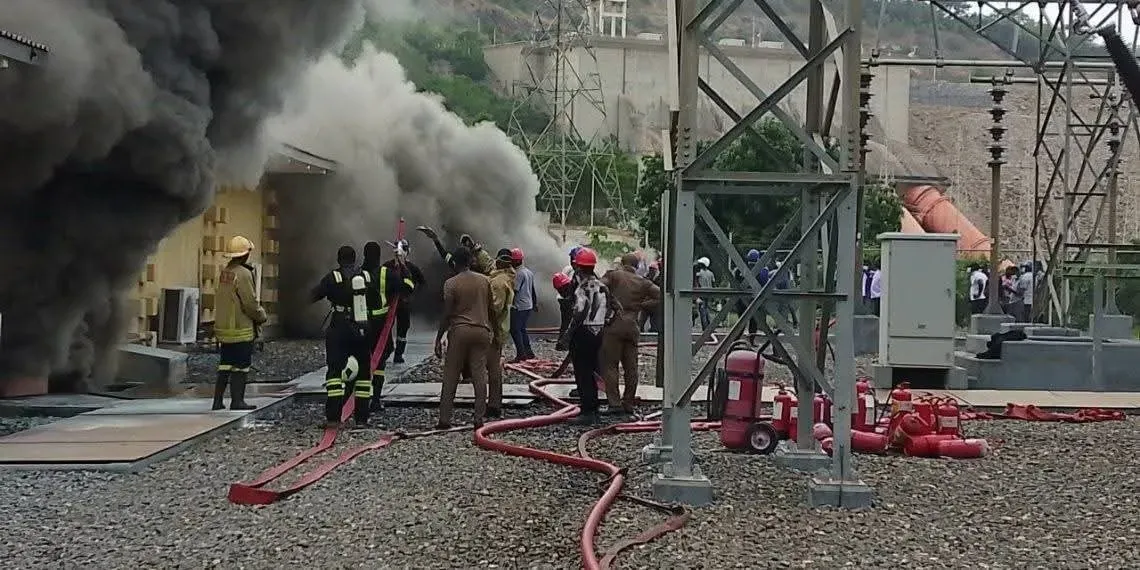
Ghana's power sector is bracing for a critical infrastructure upgrade at the Akosombo Dam, as the Energy Ministry scrambles to address mounting concerns about the fragility of the nation's electricity system. A temporary control room is expected to become operational within the coming weeks, offering a potential reprieve from the instability that has plagued the country's energy supply.
The announcement comes in the wake of another significant electricity disturbance that struck the grid on August 20, underscoring the urgency of stabilising Ghana's power infrastructure. These recurring disruptions have raised alarms among policymakers and energy experts alike, pointing to deeper vulnerabilities in the systems managing the nation's primary hydroelectric power source.
Why it matters for Ghana
The Akosombo Dam remains the backbone of Ghana's electricity generation, supplying a substantial portion of the nation's power needs. Any disruption to its control systems has immediate and far-reaching consequences for households, businesses and critical infrastructure across the country. The fragility of the current arrangement has already resulted in rolling blackouts and power cuts that disrupt economic activity, undermine investor confidence and impact daily life for millions of Ghanaians.
The Energy Ministry's acknowledgement that the existing setup is unstable signals a long-overdue recognition of infrastructure gaps that have persisted for years. A functional temporary control room represents a necessary intermediate solution whilst more permanent upgrades are planned.
Timeline and next steps
With the temporary facility expected to be ready within the next month, the government is attempting to demonstrate swift action on a critical problem. However, the temporary nature of this arrangement raises questions about longer-term sustainability and when a permanent, modernised control system will be fully implemented.
The August 20 disturbance is not an isolated incident. Ghana's power system has experienced multiple major disruptions in recent years, each incident exposing the vulnerability of ageing infrastructure and systems that have not kept pace with the nation's growing energy demands.
Broader implications
The push to stabilise the Akosombo control systems forms part of a wider challenge facing Ghana's energy sector: balancing the need to maintain reliable electricity supply whilst managing the technical and financial demands of system modernisation. The country's economic growth and attractiveness to investors depend heavily on a stable, predictable power supply.
Beyond immediate grid stability, the initiative highlights the importance of investing in critical infrastructure resilience. As Ghana continues to integrate renewable energy sources and expand its generation capacity, the control and monitoring systems that manage the grid become increasingly sophisticated and essential.
The coming weeks will be crucial in determining whether the temporary control room can successfully mitigate the risks that have triggered recent blackouts. Success here could buy time for the government and energy stakeholders to develop and implement longer-term solutions that place Ghana's power infrastructure on a firmer footing.
Source: 3News


Comments (0)
Be the first to comment.