Ghana risks IMF return unless ECG and state firms fix deep-rooted inefficiencies, economist warns
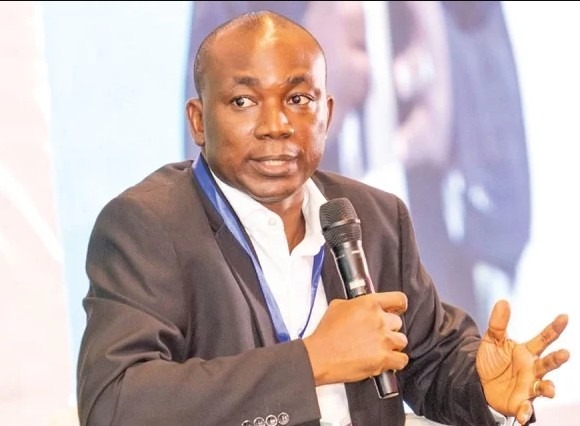
Ghana's fiscal stability hangs in the balance as inefficiencies plaguing the Electricity Company of Ghana and other state-owned enterprises threaten to drag the country back to the International Monetary Fund for another bailout, according to prominent economist Professor Godfred Bokpin.
Speaking over the weekend, Prof. Bokpin issued a stark warning that reverting to complacency after the current IMF-supported programme concludes could prove disastrous. The scale of the problem is staggering: Ghana has haemorrhaged between 2.5% and 3.2% of its entire Gross Domestic Product over the past 15 to 20 years solely due to mismanagement and losses in state-owned enterprises, with the Electricity Company of Ghana and Ghana Cocoa Board being primary culprits.
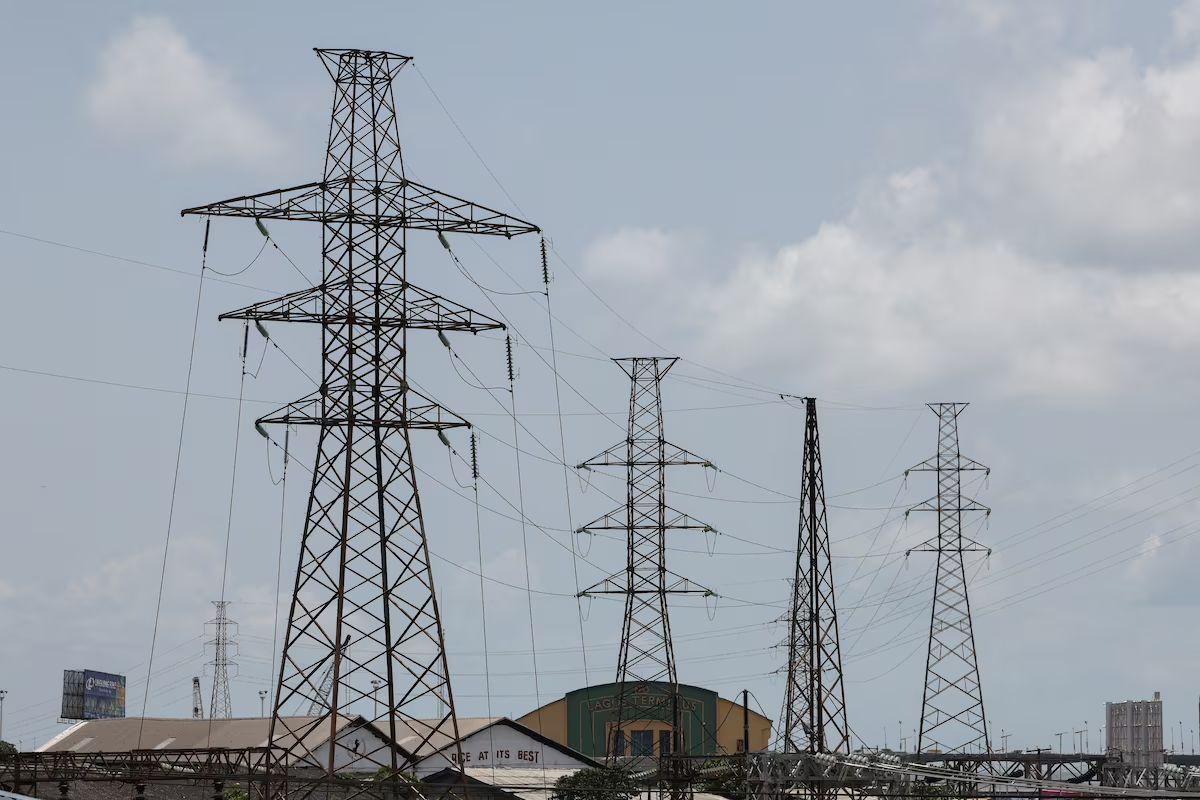
The energy sector's drain on public finances is particularly acute. Government must regularly inject extra-budgetary funds to plug shortfalls in electricity generation, transmission and distribution, with these emergency allocations sometimes exceeding the combined budgets allocated to the Ministries of Health, Food and Agriculture, and Education combined. This hollowing out of critical social sectors underscores how ECG's operational breakdown cascades through the entire economy.
The structural challenges holding back reform
Addressing these inefficiencies requires sustained investment across the electricity value chain, yet government faces a painful dilemma: where does the money come from without starving other essential services? Prof. Bokpin emphasised that reducing technical and commercial losses across generation, transmission and distribution demands substantial capital injection, but policymakers must carefully weigh how to finance such investments without compromising health, education or agricultural development.
The economist did acknowledge some progress under the current IMF programme. Greater transparency now surrounds the true scale of losses, and the cash waterfall mechanism—which governs how revenue flows through the electricity sector—is functioning better than before. These improvements represent a departure from the opacity that previously masked the sector's problems, though much work remains.
Why this matters for Ghana
Ghana's three-year IMF programme, secured during the 2023 debt crisis, provided crucial breathing room but was never intended as a permanent solution. The programme's success depends on Ghana tackling root causes rather than applying temporary fixes. If the country exits the IMF programme only to relapse into old habits of subsidising inefficient state firms without reform, another crisis becomes almost inevitable.
The stakes are extraordinarily high. A return to the IMF would signal that Ghana failed to seize a critical window for structural transformation, potentially damaging investor confidence, weakening the cedi further, and requiring far more painful austerity measures. Youth unemployment, already elevated, could spike again if fiscal constraints force spending cuts.
Prof. Bokpin's core message is that reform must be genuine, not cosmetic. Government should prioritise improving ECG's operational efficiency and reducing its dependence on state funding rather than repeatedly bailing out a dysfunctional system. He called for broader public consultation on any proposed private-sector participation and greater transparency on reform details, signalling that top-down or opaque restructuring risks public backlash and failure.
The window for decisive action is closing. Once the IMF programme ends, the pressure to maintain fiscal discipline will ease, making backsliding politically tempting. Ghana's policymakers must use this period to embed lasting structural change—not just in the energy sector, but across all state enterprises dragging on public finances. The alternative is another humbling return to international creditors.
Source: The Ghana Report

Comments (0)
Be the first to comment.