Ghana Must Act on 100+ Illegal Border Routes, Interior Ministry Warns
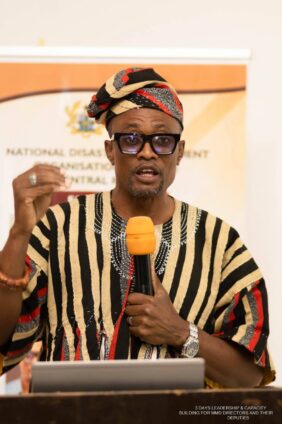
Border Security Challenge Demands Urgent Action
Ghana's Interior Ministry has raised alarm over more than 100 unauthorised entry routes along the Volta-Togo border, highlighting vulnerabilities that security analysts say could expose the nation to trafficking, smuggling, and organised crime. While these pathways reflect centuries of shared culture and kinship between communities in the Volta Region and Togo, officials argue that historical ties do not excuse the state's responsibility to secure its borders in an increasingly volatile regional environment.
The warning comes as West Africa faces mounting security threats. Violent extremism is spreading across the Sahel, whilst instability in Burkina Faso, Mali, and Niger has destabilised the region. Small arms proliferation, human trafficking networks, drug smuggling, and cyber-enabled crime now pose real dangers to Ghana's stability. Security experts note that unauthorised crossing points allow individuals to bypass immigration checks, identity verification, and security screening—creating intelligence blind spots that compromise state visibility and citizen safety.
The Human Security Angle
Border communities in Aflao, Denu, Akanu, Dzodze, Weta, and Agbozume are themselves most vulnerable to the harms of weak border controls. Residents face exposure to human trafficking, drug trafficking, arms smuggling, and exploitation by criminal networks. Strengthening border governance therefore protects both national security and the welfare of frontier populations.
Security analysts point to cautionary examples across Africa, where countries initially dismissed unauthorised border crossings as harmless local practices only to watch criminal and extremist groups exploit the same routes to establish operational bases. The lesson, officials say, is clear: historical legitimacy does not eliminate contemporary risk.
Source: The Ghana Report

Comments (0)
Be the first to comment.