Ghana Must Produce 70% of Its Own Medicines or Risk National Security, Pharmacists Warn
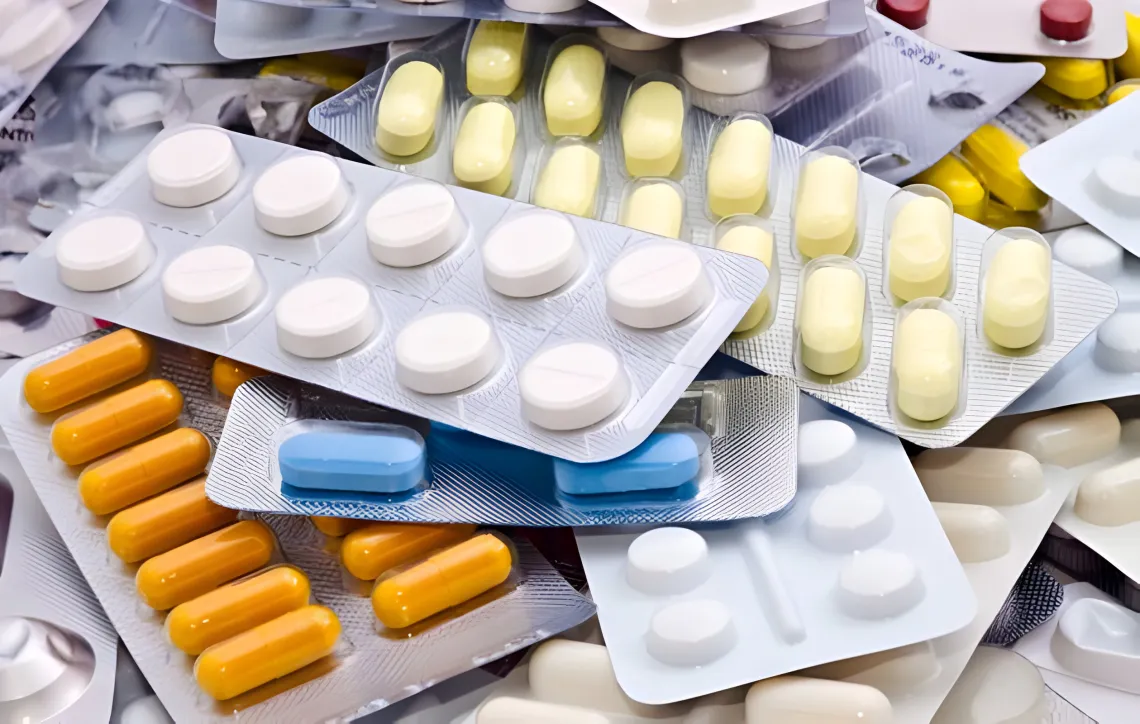
Ghana's leading pharmaceutical body has sounded the alarm over the country's heavy reliance on imported medicines, warning that the situation poses a serious threat to national security. The Pharmaceutical Society of Ghana (PSGH) is urging the government to invest heavily in local drug manufacturing so that at least 70% of the nation's medicine requirements are produced domestically.
The call was made by PSGH President, Pharm. Paul Owusu Donkor, during a ceremony at the Manhyia Palace in Kumasi to mark the Society's 90th anniversary. He stressed that pharmaceutical care must now be viewed through the lens of national security, not merely public health. "If we continue to rely on global supply chain systems for our medicines, then we are compromising on our national security issues," he warned.
Ghana currently manufactures only around 30% of its pharmaceutical needs, leaving the country exposed to disruptions in global supply chains. Pharm. Donkor outlined that achieving the 70% target would demand significant investment in infrastructure, technology, land, capital, and trained personnel — with the long-term vision of positioning Ghana as a pharmaceutical manufacturing hub for the entire West African sub-region.
Antimicrobial Resistance Also in the Spotlight
Beyond manufacturing, the Society raised urgent concerns about antimicrobial resistance (AMR), linking its rise to the misuse of medicines and the circulation of counterfeit drugs. Pharm. Donkor called on regulatory authorities to strengthen enforcement against falsified medicines, cautioning that allowing unqualified individuals to dispense drugs could undermine the country's fight against AMR. "If a medicine is not in the hands of a pharmacist but falls into the hands of quacks, then we would lose the fight against antimicrobial resistance," he said.
Reflecting on nine decades of the Society's work, Pharm. Donkor paid tribute to Ghana's pharmacists for maintaining high professional standards while improving access to medicines across the country. He reaffirmed their commitment to patient safety, stating that pharmacists would never compromise on the safety and efficacy of medicines dispensed to Ghanaians.
Source: The Ghana Report




Comments (0)
Be the first to comment.