Ghana Must Act as UN Pushes Global Social Media Safety Standards for Young Users
The United Nations is calling on governments worldwide—including Ghana—to take decisive action in regulating social media platforms for child safety, following Meta's historic $18 billion settlement with nearly all US states. The push highlights growing international pressure to create safer digital spaces for young people, with implications for how African nations, including Ghana, might approach tech regulation.
Meta has agreed to implement significant child protection features as part of the settlement, including one-hour daily time limits, night mode functions, and age verification measures. Notably, Meta has challenged its competitors—TikTok and YouTube—to adopt identical safety standards, signalling that industry-wide changes are necessary for meaningful progress. However, Meta's agreement includes a financial incentive: $5.3 billion of the $18 billion penalty is contingent on TikTok and YouTube implementing the same measures.
What the UN Is Demanding
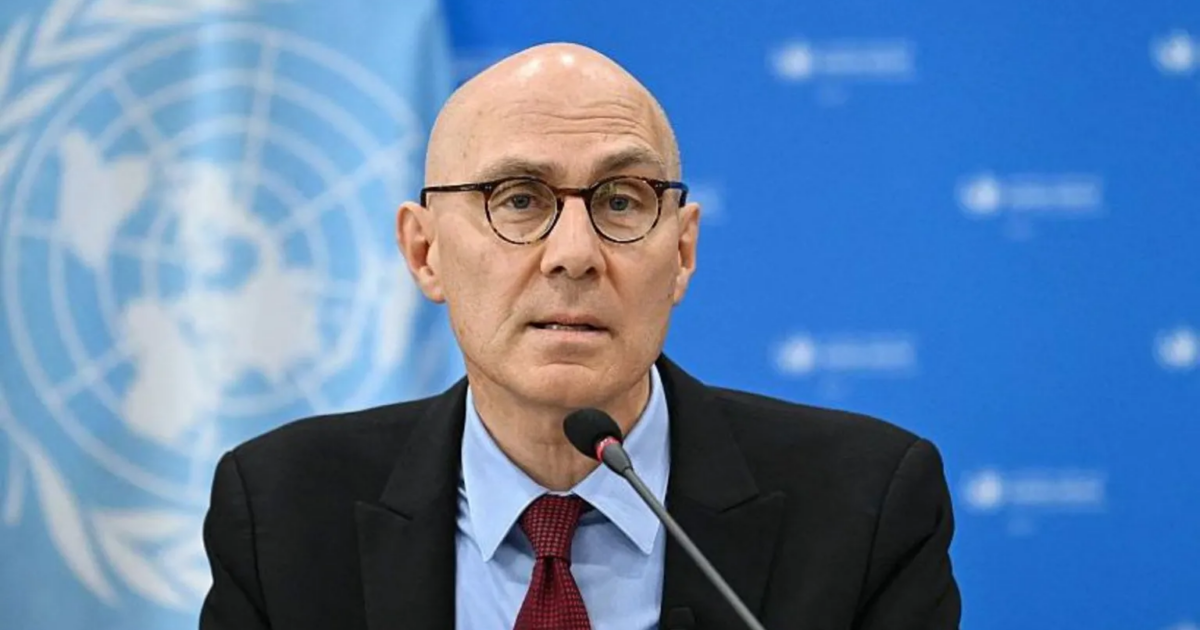
Volker Türk, the UN's high commissioner for human rights, has been vocal about the need for proactive government intervention rather than reactive legal battles. His office released a comprehensive 10-point framework in May that outlines how social media platforms should be regulated to protect children. Key recommendations include stronger data privacy protections, improved age verification systems, and platform designs that actively discourage addictive features targeting young users. Importantly, the framework stops short of calling for outright bans on children's social media use, instead advocating for safer, more transparent platforms.
Türk emphasised the moral urgency of the issue: "Children should not have to wait for a lawsuit to be safe online." His statement reflects frustration that meaningful protections often only come after costly legal proceedings, rather than through proactive corporate or government policy.
Why It Matters for Ghana
Ghana has over 16 million internet users, with a significant proportion being young people who are active on social media platforms like TikTok, Instagram, and YouTube. Unlike developed Western nations, Ghana lacks comprehensive digital regulation frameworks specifically designed to protect minors online. The country's National Communications Authority (NCA) has limited enforcement mechanisms for social media safety, and there is no equivalent to the stringent regulatory environment that prompted Meta's US settlement.
This global movement towards mandatory platform safety measures presents both an opportunity and a challenge for Ghana. On one hand, if international platforms adopt uniform safety standards—as Meta is now doing—Ghanaian children would benefit from these protections automatically. On the other hand, Ghana risks falling behind if it does not establish its own regulatory framework that can hold platforms accountable locally and address context-specific concerns, such as online harassment, misinformation, and exploitation targeting Ghanaian youth.
The settlement also raises questions about Ghana's approach to tech taxation and corporate accountability. Meta's $18 billion penalty demonstrates that governments with sufficient regulatory power can compel even the largest tech companies to change their practices and invest significant resources in compliance. Ghana's government could learn from this model as it considers how to strengthen its digital economy regulations.
The Road Ahead
California Attorney General Rob Bonta has indicated that US authorities are monitoring whether TikTok and YouTube voluntarily adopt Meta's safety measures. If they fail to do so, Bonta warned of willingness to pursue additional legal action. This signals that Meta's settlement may be just the beginning of a wave of regulatory enforcement against non-compliant platforms.
For Ghana and other African nations, the lesson is clear: proactive regulation, supported by government coordination and international standards, is now becoming the norm rather than the exception. As Meta, TikTok, and YouTube navigate these new requirements, Ghanaian policymakers should use this moment to develop their own age-appropriate digital safety standards that reflect local values and protection needs. Without such action, Ghana risks remaining a space where global tech giants operate with minimal local accountability, whilst Ghanaian children continue to face unmitigated online risks.
Source: MyJoyOnline


Comments (0)
Be the first to comment.