
Ghana Medical Trust Fund Expands Critical Care Access as Governance Framework Takes Shape
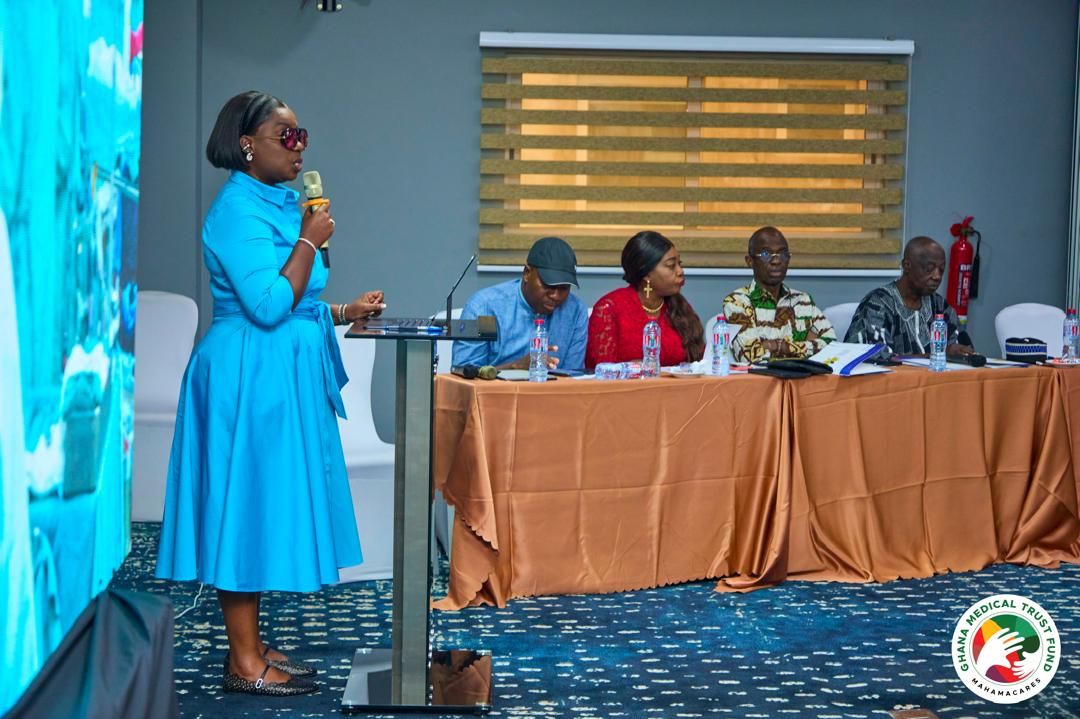

The Ghana Medical Trust Fund is making headway in delivering critical medical interventions to dozens of patients across the country, with administrators revealing that the scheme is simultaneously laying solid groundwork through transparent governance structures and professional recruitment.
According to the Fund's administrator, the initial phase of operations has prioritised building institutional capacity alongside direct patient support. This dual approach reflects a commitment to ensuring the scheme's long-term sustainability and reliability as a healthcare safety net for Ghanaians unable to afford essential medical treatments.
Building Systems for Sustainable Healthcare Support
The Trust Fund's strategic focus extends beyond immediate patient assistance. Administrators have invested considerable effort in establishing transparent governance frameworks designed to prevent mismanagement and ensure accountability. This foundational work includes developing clear operational procedures, financial controls and decision-making processes that will guide the Fund's activities going forward.
Equally critical has been recruitment of technical personnel—healthcare professionals, financial managers and administrative staff—capable of assessing patient needs, approving interventions and managing resources efficiently. These hires represent essential capacity that transforms the Fund from concept into functional reality.
The operational structures being developed establish standardised pathways for patient applications, eligibility assessment and treatment approval. Such systems are vital for any scheme aspiring to serve vulnerable populations fairly and sustainably.
Why This Matters for Ghana
Healthcare costs remain a significant barrier to treatment for many Ghanaians, particularly those in lower-income brackets. Even with the National Health Insurance Scheme in place, critical procedures—whether surgical interventions, specialist treatments or expensive medications—often exceed what households can afford. The Medical Trust Fund addresses this gap by providing a dedicated mechanism for supporting patients facing financial hardship during medical emergencies.
The Fund's emphasis on transparent governance is particularly significant in a Ghanaian context where public healthcare schemes have sometimes struggled with financial accountability and efficient resource allocation. By building these systems upfront, the Trust Fund signals intent to operate with integrity and public confidence.
Beyond individual patient benefit, the scheme represents an attempt to reduce catastrophic health expenditures that drive households into poverty. When families must choose between medical treatment and basic necessities, outcomes deteriorate across multiple dimensions—health outcomes worsen, children may be withdrawn from school, and economic productivity declines. By absorbing costs for critical interventions, the Fund can help break this cycle.
Current Operations and Next Steps
The current cohort of patients receiving support demonstrates that the Fund's approval processes are functioning. However, the administrator's emphasis on governance and staffing suggests the organisation remains in a consolidation phase rather than operating at full capacity.
For the scheme to realise its potential, several factors will require ongoing attention: ensuring funds are adequate to meet demand, maintaining political support across electoral cycles, developing clear communication so eligible patients know how to apply, and building partnerships with healthcare providers to streamline referrals and treatment access.
As Ghana continues strengthening its social protection architecture, schemes like the Medical Trust Fund offer a practical response to healthcare inequity. Their success ultimately depends on the quality of governance systems and human capacity deployed—precisely the foundations currently being constructed.
Source: 3News



Comments (0)
Be the first to comment.