Ghana in World Bank talks on future-proofing cities as urbanisation pressure mounts
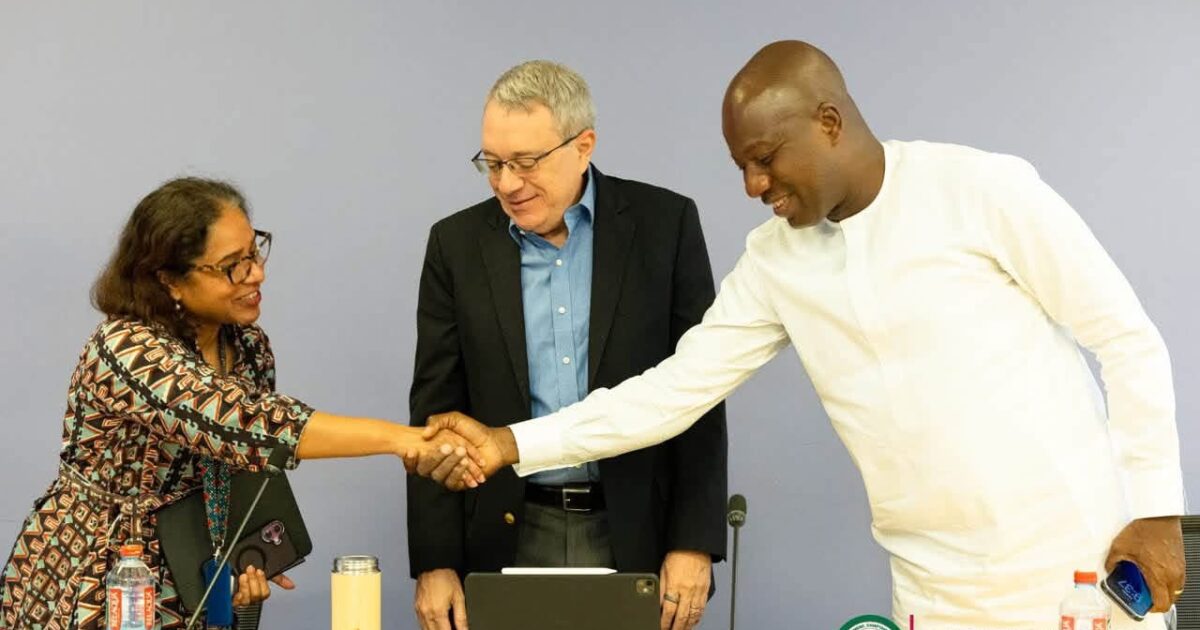
Ghana's Local Government Minister Mahama Ayariga has begun strategic discussions with the World Bank to reshape how the country approaches urban development, signalling a shift towards building cities designed to handle rapid population growth while serving all residents fairly.
The engagement marks a formal effort to align Ghana's urban planning with global sustainability standards. Ayariga emphasised that the cities being constructed and expanded today will fundamentally shape opportunities and living standards for future generations, underscoring the long-term importance of getting urbanisation right now.
What Ghana aims to achieve
The talks between the Minister and World Bank representatives centred on three core objectives. First, improving city planning through better infrastructure design that anticipates future demand rather than reacting to crisis. Second, ensuring urban development is genuinely inclusive—meaning that roads, water, electricity, waste management and housing reach poorer neighbourhoods and informal settlements, not just affluent areas. Third, building climate and disaster resilience into cities so they can withstand flooding, extreme weather and other emerging threats.
Ayariga flagged the urgent need to strengthen urban infrastructure and service delivery across Ghana's growing cities. This includes water supply systems, sanitation, transportation networks and waste management—services that currently struggle to keep pace with urban migration.
Why it matters for Ghana
Ghana's cities are expanding rapidly. Accra, Kumasi, Sekondi-Takoradi and secondary urban centres are absorbing thousands of rural migrants each year seeking jobs and better living conditions. Without deliberate planning, this growth often leads to sprawling informal settlements lacking basic services, congestion, poor sanitation and environmental degradation.
The World Bank engagement is significant because it opens access to technical expertise and potentially financing for urban projects. Ghana has faced challenges translating urban policy into effective implementation—many cities lack integrated master plans, coordination between agencies is weak, and funding for infrastructure remains insufficient. World Bank support could help address these gaps.
For ordinary Ghanaians, this matters because better-planned cities directly affect daily life: shorter commutes, cleaner water, safer streets, better healthcare and education access. It also affects economic competitiveness; cities that work well attract businesses and jobs. And crucially, it affects equity—informal settlement dwellers and low-income households typically suffer most from poor urban planning, lacking drainage during floods, living near pollution, and having limited access to services.
Climate resilience is particularly urgent for Ghana. Cities like Accra face increasing flood risk from both heavy rainfall and rising sea levels. Port cities and coastal communities are vulnerable to storm surge. Integrating climate adaptation into urban design now is far cheaper than managing crises later.
The broader challenge
Ghana's urbanisation rate is among Africa's highest. By some estimates, over half the population now lives in urban areas, and this is projected to rise further. Managing this transition successfully requires sustained investment, political will, and coordination across national and local government—exactly the areas where World Bank engagement can provide both technical guidance and leverage to unlock financing.
The Minister's initiative suggests the government recognises that ad-hoc urban expansion is unsustainable. Whether these discussions translate into concrete policy changes and funded projects will be key to watching in coming months.
Source: MyJoyOnline
Comments (0)
Be the first to comment.