
Ghana Fire Service Warns: Broken Hydrants and Wooden Slums Are Costing Lives in Fire Emergencies

Ghana's ability to fight fires is being seriously compromised by two persistent problems: a widespread lack of functional water hydrants near fire scenes, and the rapid expansion of informal settlements built from highly flammable materials. The Ghana National Fire Service has spoken openly about these challenges, warning that together they are costing precious time — and potentially lives — during emergencies.
Firefighters Left Searching for Water Mid-Emergency
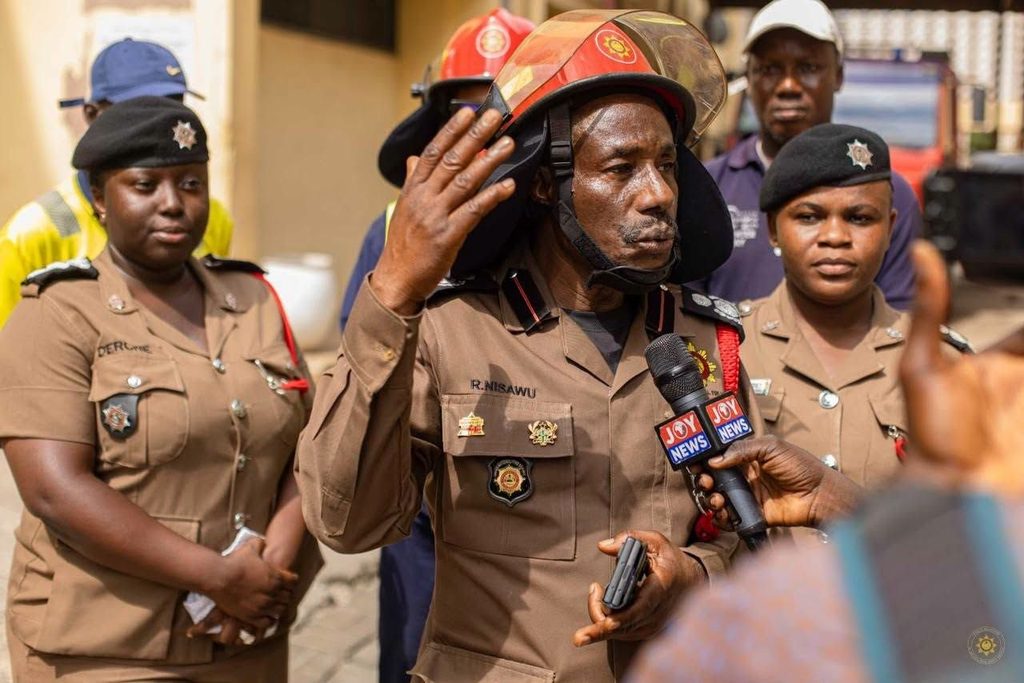
When a fire tender arrives at a scene, it carries a finite supply of water. The standard procedure is for firefighters to replenish that supply through nearby fire hydrants while the team continues battling the blaze. However, the Greater Accra Regional Fire Commander, ACFO II Rashid Nisawu, has revealed that this system is frequently failing because hydrants in many areas are either absent or not working.
"When we get to the fire ground, whatever we brought to the fire ground, if it's exhausted, we either have to go looking for water or call for other fire engines from other stations to come and augment," ACFO II Nisawu told JoyNews.
This forces firefighting crews into an impossible choice: leave the scene to find water, or wait for reinforcements from another station. Either option introduces dangerous delays that allow fires to spread further, destroying more property and putting more lives at risk. The problem points to a long-standing gap in urban infrastructure planning, where the installation and maintenance of fire hydrant networks has not kept pace with Ghana's rapid city growth.
Wooden Settlements Fuel Rapid Fire Spread
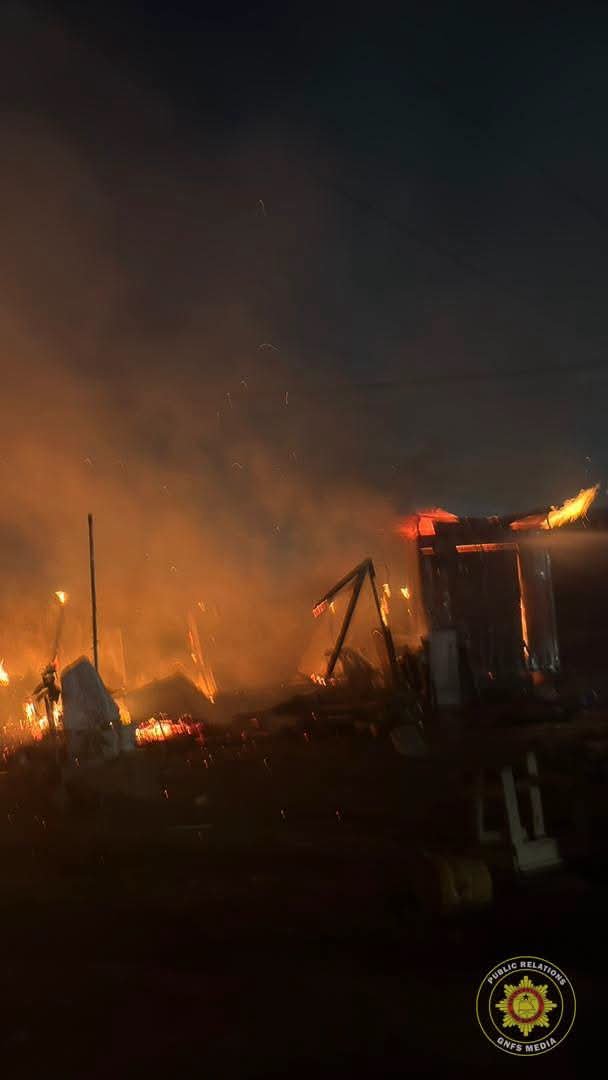
Compounding the water access problem is the growing number of informal settlements — particularly those constructed predominantly from wood and other combustible materials. ACFO II Nisawu described conditions in such communities as deeply concerning, noting that the tightly packed nature of the structures allows fire to jump quickly from one building to the next.
Beyond the flammability of the materials, the layout of these settlements creates serious access problems. Roads and pathways within many informal communities are too narrow for fire tenders to navigate, meaning crews may have to tackle blazes on foot with limited equipment, far from where their vehicles can reach.
"Even the fire engine, when we get there, access to the place is a problem," the commander noted.
Communities such as Madina, Weija, Adenta and Amasaman have been specifically highlighted as areas of concern. These are among Accra's fastest-growing peri-urban zones, where housing demand has outstripped formal planning, leading to the kind of dense, unregulated development the Fire Service is now flagging as a hazard.
Why It Matters for Ghana
Ghana has experienced a number of devastating community fires in recent years, with informal settlements frequently bearing the worst of the damage. Families in these areas often lose everything — shelter, clothing, documents and livelihoods — in a matter of minutes, with little prospect of insurance or government compensation. Children and elderly residents are particularly vulnerable.
The Fire Service's decision to map and catalogue high-risk settlements across the country is a constructive first step. District commanders have been tasked with gathering data on affected areas, which should help the service allocate resources more effectively and advocate for infrastructure investment where it is most needed.
However, meaningful improvement will require action beyond the Fire Service itself. Local government authorities, urban planners and the national government must address the deeper structural issues: maintaining hydrant networks, enforcing building codes, and providing safer, affordable housing alternatives that reduce dependence on makeshift wooden structures.
- No quick fix: Until hydrant networks are upgraded, fire tenders will continue to face water shortages mid-operation.
- Settlements at risk: Areas including Madina, Weija, Adenta and Amasaman are under active review by district fire commanders.
- Systemic problem: Rapid urban growth without matching infrastructure investment lies at the heart of both challenges.
The Ghana National Fire Service's warnings are a timely reminder that fire safety is not simply a matter of having enough fire engines — it demands functioning infrastructure, well-planned communities, and consistent political will to protect the most vulnerable.
Source: MyJoyOnline


Comments (0)
Be the first to comment.