Ghana faces water import threat as 60% of water bodies become polluted, CSIR warns
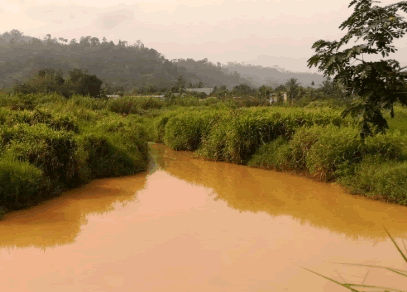
Ghana risks becoming dependent on imported water unless the government takes immediate action to halt the pollution of the country's rivers, lakes and groundwater reserves, according to a senior scientist at the Council for Scientific and Industrial Research-Water Research Institute.
Dr. Franco Enobrenaco of CSIR-WRI's Groundwater and Geoscience Division revealed that approximately 60% of Ghana's water bodies are already polluted, a finding presented at the institute's Mid-Year Review held under the theme "Can Ghana Heal Her Waters? Toward Sustainable Remediation of Polluted Water Bodies."
The warning highlights a deepening environmental crisis that experts say poses serious risks to public health, agriculture and industrial production across the country.
The scope of the pollution crisis
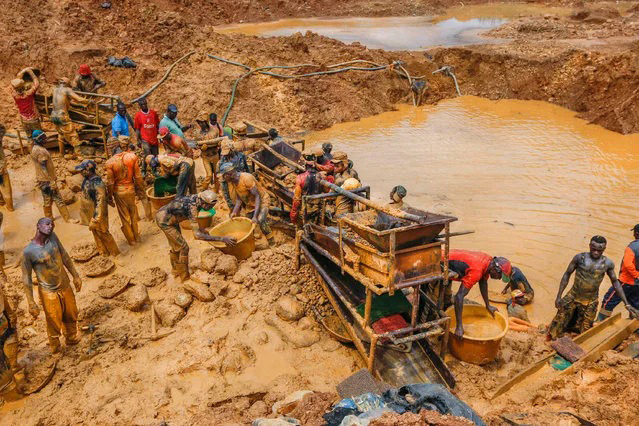
The contamination of Ghana's water resources stems from multiple sources, with illegal mining—locally known as galamsey—identified as a primary culprit. The activity has devastated riverine ecosystems and contaminated groundwater supplies that many Ghanaians depend upon for drinking water.
According to Dr. Enobrenaco, the situation is likely to deteriorate as Ghana's population grows, placing greater pressure on the remaining 40% of water bodies that have not yet been severely compromised. He emphasised that protecting these relatively unpolluted sources should be treated as a matter of national urgency.
The consequences of continued water pollution extend beyond drinking water supply. Crops irrigated with contaminated water absorb harmful substances that enter the human food chain, while industrial and energy production sectors face operational challenges and increased treatment costs.
Why it matters for Ghana
Water security is fundamental to Ghana's economic development and public health. The prospect of water importation would represent an unprecedented drain on national resources and a failure of environmental stewardship. For a West African nation with significant water resources, such a scenario would signal a complete breakdown in water management.
Galamsey mining has already caused documented harm to communities dependent on rivers for water, fishing and agriculture. The CSIR warning suggests the problem has reached a critical threshold requiring coordinated national response.
Smallholder farmers relying on irrigation, urban populations dependent on tap water systems, and industrial operations would all face severe disruption if water scarcity worsens. The cost of treating increasingly polluted water supplies would also place strain on already-stretched water utilities and government budgets.
The path forward: a two-pronged strategy
Dr. Enobrenaco proposed addressing the crisis through two complementary approaches. First, the government must reduce illegal mining activity whilst enforcing existing mining regulations more strictly. Second, alternative economic opportunities must be created for communities currently dependent on galamsey to prevent them from returning to the activity once enforcement intensifies.
He stressed that cleaning polluted water bodies would have limited success if pollution continues at its source, meaning enforcement and prevention must be prioritised alongside remediation efforts.
The scientist also recommended deploying diverse water treatment technologies rather than relying on a single approach, acknowledging that different contaminated bodies may require tailored solutions.
Despite the dire warnings, Dr. Enobrenaco pointed to international examples of successful water restoration. The Thames River in the United Kingdom, once heavily polluted, has been substantially rehabilitated through sustained commitment and investment—demonstrating that Ghana's water bodies are not irreversibly damaged.
The challenge now lies in whether Ghana's government and stakeholders can mobilise the political will and resources needed to reverse current trends before the window for recovery closes.
Source: The Ghana Report



Comments (0)
Be the first to comment.