
Ghana Courts Pakistani Investment in Oil and Gas as Deputy Transport Minister Hosts High-Level Delegation
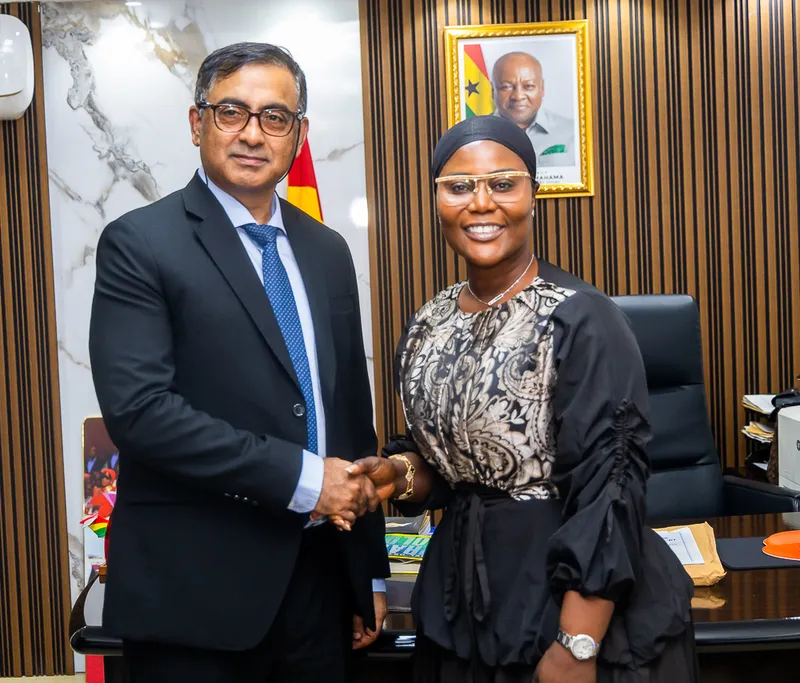

Ghana is actively seeking fresh foreign investment into its energy sector, with the Deputy Transport Minister recently hosting a delegation from Pakistan to discuss potential partnership opportunities in oil and gas. The meeting signals Ghana's continued push to attract international capital into one of its most strategically important industries.
What we know about the meeting
The Deputy Transport Minister held discussions with the visiting Pakistani delegation, with talks centred on identifying viable investment opportunities within Ghana's oil and gas landscape. While specific details of any agreements or memoranda of understanding were not disclosed, the engagement represents a formal diplomatic and economic overture between the two countries at a ministerial level.
Pakistan, a nation of over 230 million people with a growing industrial base, has in recent years been actively looking to diversify its international economic partnerships. Ghana, on the other hand, has been working to deepen investment in its upstream and downstream energy sectors as it seeks to maximise returns from its hydrocarbon resources and address domestic energy challenges.
Why it matters for Ghana
Ghana's oil and gas sector remains central to the country's economic development agenda. Since commercial oil production began at the Jubilee Field in 2010, petroleum revenues have played a significant role in government finances. However, Ghana has faced persistent challenges including declining output from mature fields, the need for new exploration activity, and the ongoing pressure to develop its natural gas resources more effectively.
Attracting foreign direct investment into the sector is therefore not merely a diplomatic exercise — it carries real implications for jobs, government revenue, and energy security. Pakistani investment, if it materialises, could bring capital, technical expertise, or trading partnerships that complement existing operators and state institutions such as the Ghana National Petroleum Corporation (GNPC).
Beyond oil and gas specifically, the meeting also reflects a broader trend of Ghana engaging with non-traditional partners outside the usual Western and Chinese investment corridors. South-South cooperation — economic partnerships between developing nations — has gained increasing importance as countries like Ghana seek to diversify the sources of their foreign investment and reduce dependency on any single bloc of partners.
The bigger picture for Ghana's energy ambitions
Ghana has been navigating a complex energy environment in recent years. The country has ambitious plans to monetise its offshore gas reserves, expand refining capacity, and develop downstream industries that add value to raw petroleum rather than simply exporting crude. Achieving these goals requires sustained investment, and government officials have been engaging partners across Asia, the Middle East, Europe, and the Americas to build a broad coalition of investors.
The involvement of the Transport Ministry — rather than the Energy Ministry alone — may also hint at the multidimensional nature of such investment discussions, potentially touching on logistics, infrastructure, and supply chain considerations that are integral to any large-scale energy project.
- Ghanaians will be watching closely to see whether this engagement progresses into binding agreements or concrete project announcements.
- Civil society and industry observers have consistently called for transparency in any new oil and gas deals, ensuring that contracts serve the national interest and reflect fair commercial terms.
- The GNPC and relevant regulatory bodies would likely play a central role in any formal investment framework that emerges from such diplomatic engagements.
As Ghana continues to position itself as a stable and attractive investment destination in West Africa, meetings of this nature — even at an exploratory stage — are an important part of the country's economic diplomacy toolkit.
Source: 3News


Comments (0)
Be the first to comment.