Ghana champions sustainable cocoa push at Italy seminar; new Cocoa Board Bill signals investor opportunity
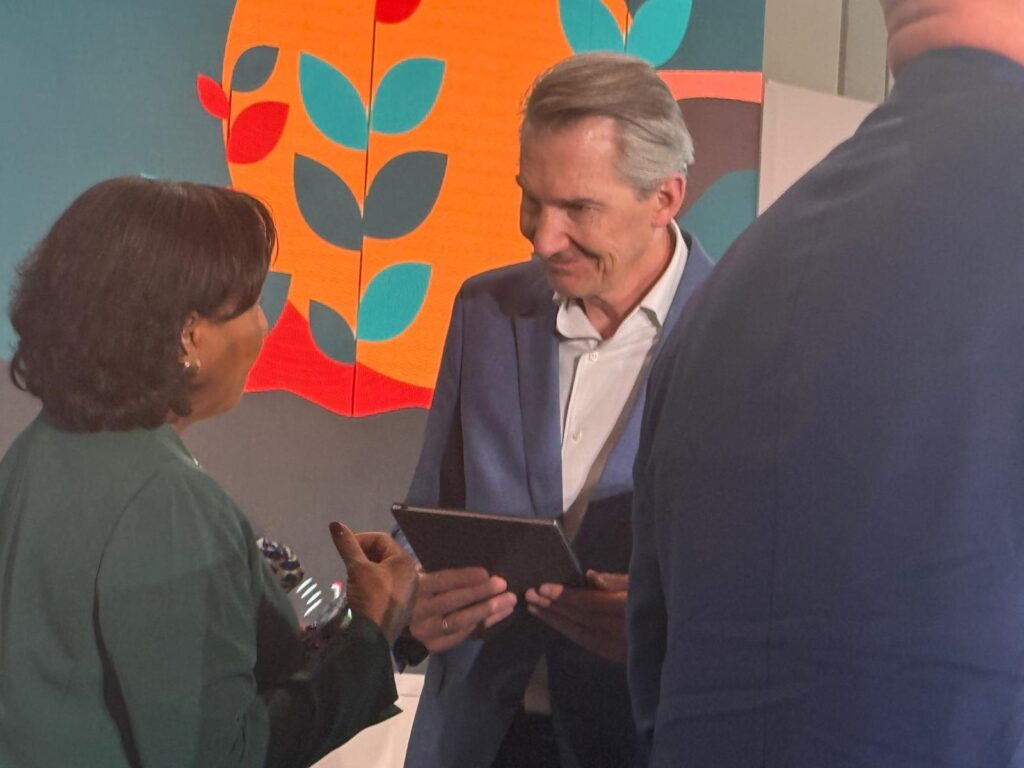
Ghana's Ambassador to Italy, H.E. Mona Quartey, has taken centre stage at a major international forum to champion the nation's cocoa sector as a model for sustainable and ethical production. At the Meeting di Rimini in Italy, Ambassador Quartey led discussions at the seminar "Cacao Connect: The Italian Way to the Sustainable Cocoa Supply Chain in Africa," engaging with global players and European institutions to reshape how African cocoa reaches international markets.
Accompanied by Mr. Kwesi Amuzu-Kpene, Head of Chancery at the Ghanaian Embassy in Rome, Ambassador Quartey held detailed talks with Italian government bodies including MAECI (Ministry of Foreign Affairs) and CDP (Development Bank), alongside major chocolate manufacturers Ferrero and ICAM. The discussions centred on positioning Ghana's cocoa as a premium product that meets rigorous quality standards whilst delivering social and environmental benefits.
Ghana's new Cocoa Board Bill: A game-changer for farmers and investors
A pivotal moment in the diplomatic engagement came with Ambassador Quartey's announcement of the Ghana Cocoa Board Bill 2026, set for Presidential assent and parliamentary passage. This landmark legislation is being framed as transformative for multiple stakeholders. For smallholder farmers—who form the backbone of Ghana's cocoa industry—the Bill promises improved economic conditions and stronger protections. For international investors, it creates a structured framework that incentivises local value addition, moving Ghana beyond raw cocoa exports toward higher-margin processing and manufacturing.
The timing is strategic. Global chocolate companies are under mounting pressure from consumers and regulators to ensure supply chains are transparent, fair, and environmentally sustainable. Ghana's new framework positions the country as a dependable, law-backed partner for companies seeking to strengthen their sustainability credentials whilst securing reliable, high-quality cocoa supplies.
Why it matters for Ghana
This diplomatic initiative reflects Ghana's broader shift toward economic diplomacy—leveraging its natural resources and institutional reforms to attract foreign direct investment and strengthen bilateral relationships. Cocoa remains Ghana's second-largest export earner after gold, but the sector has faced persistent challenges: volatile global prices, farmer poverty, deforestation, and climate vulnerability. The government's focus on sustainable practices and value addition tackles these issues head-on.
By actively engaging European institutions and multinational corporations, Ghana is signalling that it understands what modern markets demand. Italy and Europe more widely represent both a critical export destination and a source of investment capital and technology for cocoa processing. Securing partnerships with European chocolate makers creates stable demand, supports fair pricing, and encourages investment in Ghana's agro-processing infrastructure—factories, training centres, and supply-chain technology.
The Cocoa Board Bill also matters domestically. Cocoa farming employs millions of Ghanaians directly and indirectly. Reforms that improve farmer incomes, strengthen co-operative systems, and ensure environmental sustainability can reduce rural poverty and drive more sustainable land use. Climate-resilient practices—such as shade-grown cocoa and agroforestry—also help protect Ghana's forests and biodiversity whilst adapting to climate change.
For Ghanaian policymakers and businesses, the message is clear: the future of cocoa lies not in volume alone but in quality, sustainability, and value creation. Ambassador Quartey's work in Rimini demonstrates that Ghana is actively competing for a share of the high-value, ethical cocoa market—and the investments and partnerships that come with it.
Source: MyJoyOnline



Comments (0)
Be the first to comment.