GFA Hands Over Fleet of New Buses to Five Domestic Clubs Ahead of 2026-27 Season
-1.jpg)
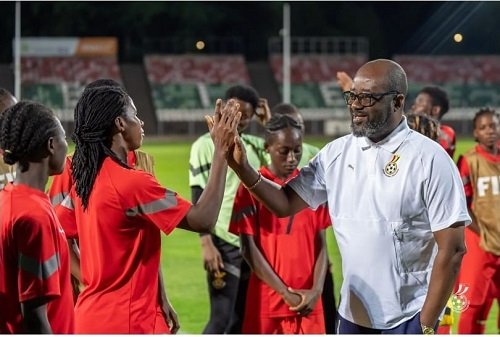
The Ghana Football Association has rolled out a significant infrastructure support programme, presenting modern team buses to five domestic football clubs as it gears up for the 2026-27 season. The beneficiary clubs—RTU, Rospack FC, Port City FC, Dreams Ladies and Police Ladies—will now have improved transport facilities for team movements, training camps and away fixtures.
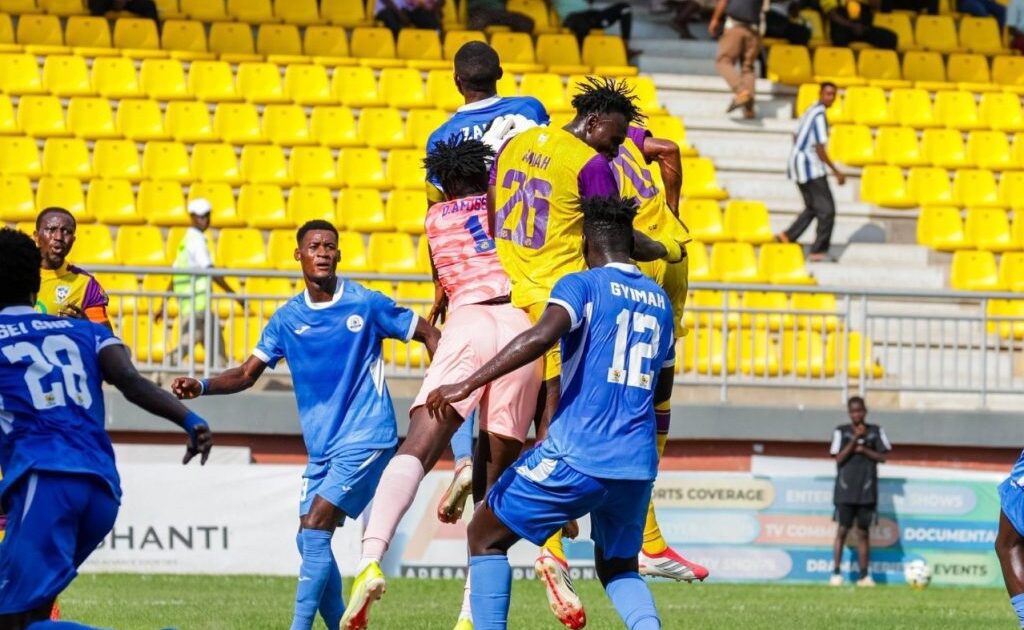
This intervention addresses a long-standing challenge in Ghana's football ecosystem. Many domestic clubs have struggled with operational logistics, particularly in transporting players safely and comfortably to matches and training sessions. The new buses are expected to reduce travel-related stress on players and coaching staff whilst freeing up club budgets previously stretched thin by vehicle hiring and maintenance costs.
GFA's Long-Term Infrastructural Push
The bus donation forms part of a broader GFA strategy to strengthen club infrastructure across the domestic league system. The football governing body has recognised that consistent investment in club facilities—from training grounds to transport—directly impacts player development, team morale and the overall quality of local football.
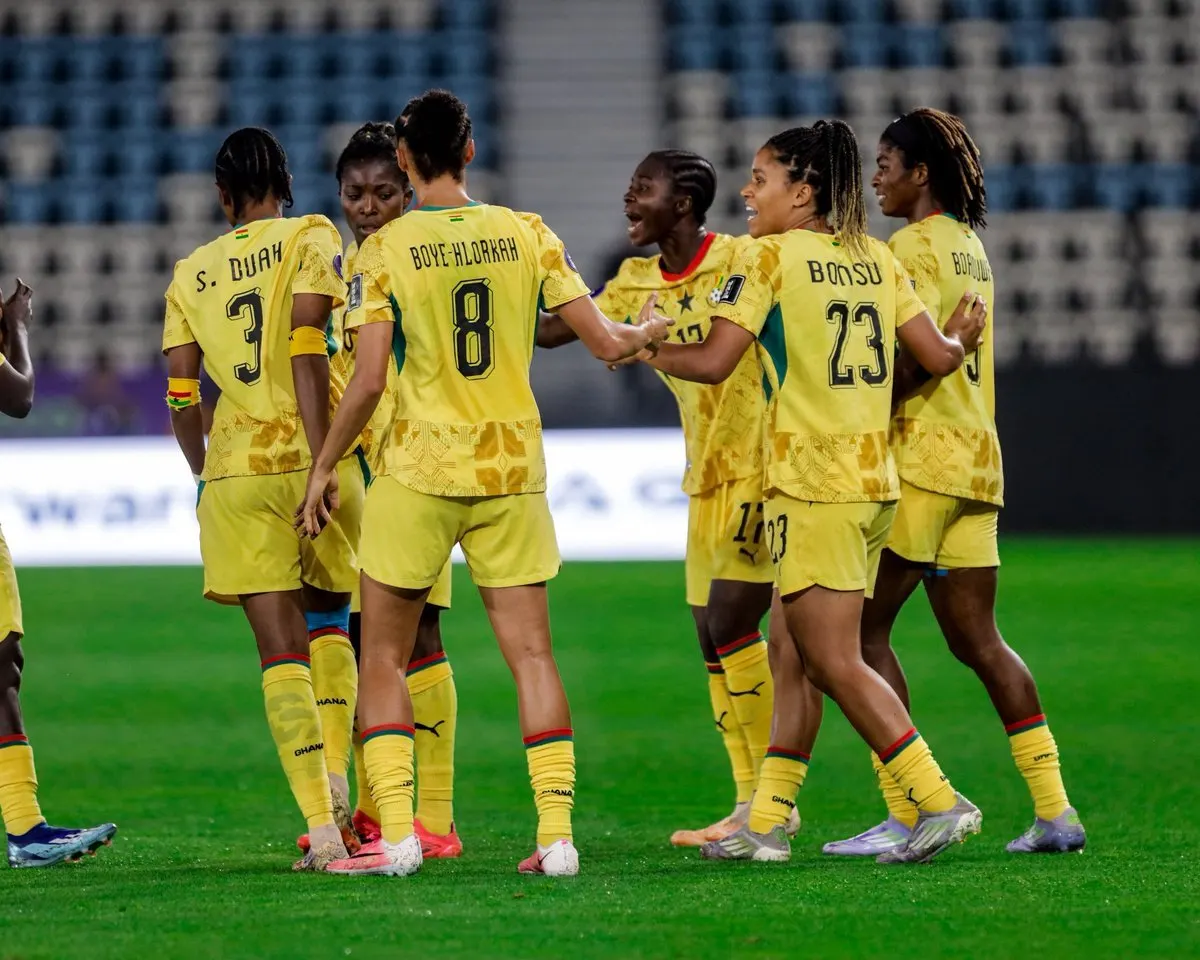
The inclusion of two women's teams, Dreams Ladies and Police Ladies, signals the GFA's commitment to elevating women's football infrastructure in Ghana. Women's clubs have historically received less support compared to their male counterparts, so this move represents progress towards gender equity in resource allocation within local football.
Why It Matters for Ghana's Football Future
Ghana's domestic football league competes for player talent and audience attention against international opportunities and entertainment alternatives. When clubs struggle with basic operational needs like reliable transport, it undermines their ability to attract and retain quality players. Young talents become discouraged by the lack of professionalism, whilst existing players face unnecessary hardships that detract from performance.
The timing—ahead of a new season—suggests the GFA is taking a proactive stance in improving the league's competitive standard and player experience. Well-equipped clubs are more likely to prepare thoroughly for matches, maintain player fitness and demonstrate the professionalism that attracts sponsors and media interest.
For Ghana's football ecosystem, such support also reduces financial barriers that prevent talented athletes from disadvantaged backgrounds from participating in organised football. When transport is secured, families and young players focus on the sport rather than logistics.
Looking Forward
The GFA's intervention raises expectations that similar support could extend to other clubs facing operational challenges. However, sustainability will depend on whether these vehicles are properly maintained and utilised effectively. Club management will bear responsibility for protecting this investment and ensuring the buses serve their intended purpose of enhancing team operations.
As Ghana continues to develop its local football infrastructure, such initiatives demonstrate that progress is not solely about stadium capacity or television rights—it is about ensuring clubs have the foundational tools necessary to function professionally. The five clubs receiving buses have a platform to demonstrate how such support translates into improved on-pitch performance during the 2026-27 season.
Source: 3News
Comments (0)
Be the first to comment.