
GFA Charts Ambitious Path for Women's Football with 2027–2031 Strategy Overhaul
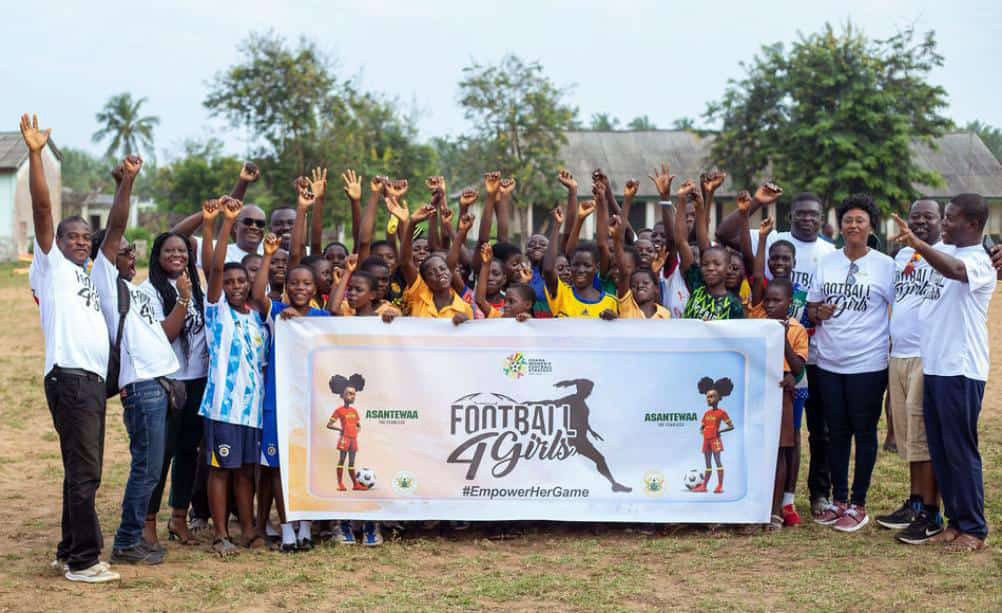

The Ghana Football Association has embarked on a strategic overhaul of its women's football framework, commencing work on a successor strategy for 2027–2031 that aims to consolidate recent progress and inject fresh momentum into the country's female game. The move comes as the current roadmap, which runs until the end of 2026, nears completion, prompting the GFA to assess what has worked, identify shortcomings, and chart a renewed course forward.
The review process represents a critical juncture for Ghanaian women's football. Rather than simply extending existing policies, the GFA is undertaking a thorough evaluation that will incorporate feedback from multiple stakeholders—including club operators, commercial partners, government officials and media representatives—to ensure the new strategy reflects genuine needs and opportunities across the women's game.
Building on Grassroots Expansion and Infrastructure
Under the outgoing strategy, the GFA has invested substantially in foundations, particularly at youth level. The launch of the U15 Regional Girls Colts League has given young female players structured competitive pathways across all 10 football regions, creating feeder systems that were previously fragmented or non-existent. This grassroots infrastructure is designed to identify and nurture talent early, reducing the talent pool losses that historically plagued women's football development.
Parallel to youth development, the Association has prioritised human resource building. Training programmes for female coaches, referees and administrators have expanded the pool of women in officiating and leadership roles—critical for sustaining a healthy ecosystem as the game grows. School-based awareness campaigns have simultaneously worked to normalise female participation and broaden perceptions of football careers beyond playing, encouraging girls to explore paths in administration, refereeing and coaching.
At the elite end, the Women's Premier League has expanded from a smaller footprint to 20 teams, supported by regional Division One competitions and a Women's Super Cup structure. This tiered system creates multiple entry points and competition levels, allowing players to develop progressively while maintaining competitive quality at the top tier.
Why It Matters for Ghana: Sustainability and Commercial Viability
The GFA's focus on finalising a commercial strategy for the Women's Premier League signals recognition that development cannot rest on goodwill alone. African women's football has historically struggled with inconsistent funding, poor media coverage, and limited commercial interest. By deliberately designing a blueprint to improve media visibility, attract sponsorship, increase fan engagement and generate sustainable revenue, the GFA is addressing a structural weakness that has undermined sister associations across the continent.
For Ghana, a nation with a strong football culture and a history of competitive women's teams, this represents an opportunity to position women's football as a genuine revenue-generating and viewership asset rather than a charitable burden. Greater media visibility and fan engagement directly increase pressure on sponsors and broadcasters to invest, creating a self-reinforcing cycle of professionalism and stability.
The 2027–2031 strategy will also reflect lessons learned over four years of implementation under the current framework. Honest assessment of which initiatives succeeded, which fell short due to funding constraints, and which require redesign will inform more realistic and effective target-setting moving forward. This process, overseen by the GFA's Women's Football Development Unit and supported by FIFA's expertise, offers Ghanaian women's football a rare opportunity to course-correct and accelerate progress during a pivotal phase of African football development.
Source: The Ghana Report


-1.jpg)

Comments (0)
Be the first to comment.