
GES Sounds Alarm Over Fake Recruitment Scams Targeting Job Seekers on Social Media
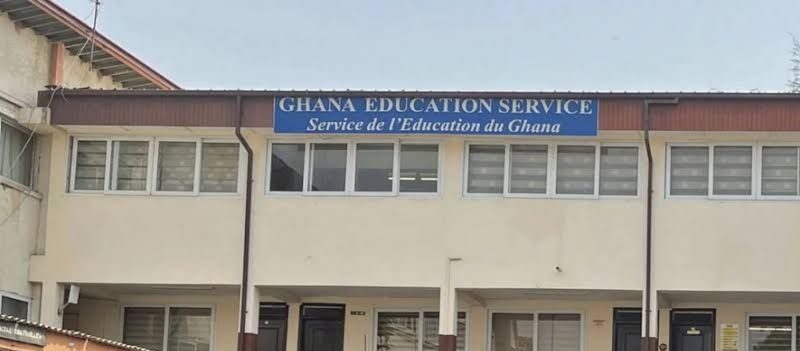

The Ghana Education Service (GES) has issued an urgent public warning urging Ghanaians to be on high alert against a wave of fraudulent recruitment messages, fake application links and forged appointment letters that are being circulated across social media platforms. The Service stressed clearly that its official recruitment portal has not yet been opened, making every announcement claiming otherwise a scam.
What the GES is saying
In a formal public notice, the GES advised all prospective applicants to completely disregard any messages, WhatsApp forwards, Facebook posts or links suggesting that recruitment into the Service is currently underway. The statement made clear that when genuine recruitment does begin, the announcement will come exclusively through the Service's own verified and authorised communication channels.
The GES identified three common tactics being used by fraudsters: circulating convincing-looking fake recruitment announcements, demanding upfront payments from applicants in exchange for securing employment, and issuing counterfeit appointment letters to deceive job seekers into believing they have been successfully employed.
The Service specifically cautioned the public against paying money to any individual or group — no matter how credible they may appear — who claims to have insider connections capable of guaranteeing a job within Ghana's education sector. Such payments, the GES warned, will not result in legitimate employment and amount to fraud against vulnerable job seekers.
Why it matters for Ghana
Recruitment scams targeting public sector jobs are a persistent and deeply damaging problem in Ghana. The education sector, which employs a large number of Ghanaians and is seen as a stable career path, is frequently exploited by fraudsters who prey on the desperation of unemployed graduates and young professionals seeking work.
Ghana faces significant youth unemployment pressures, and GES recruitment exercises — when they do occur — attract enormous public interest. This makes them a prime opportunity for criminals to capitalise on anticipation and urgency, luring applicants with promises of fast-tracked employment before official processes even begin.
Beyond financial loss, victims of these scams often suffer emotional distress and reputational damage, particularly when they unwittingly share personal data with fraudsters. The circulation of fake appointment letters is especially harmful, as some victims may resign from other positions or make financial commitments based on a job offer that does not exist.
How to protect yourself
The GES has urged the public to adopt several straightforward but important precautions:
- Only trust official GES platforms — including the Service's official website and verified social media accounts — for recruitment updates.
- Never pay money to any person or agent claiming they can secure you a GES job, regardless of the amount requested.
- Verify before you act — if you receive a recruitment link or appointment letter, confirm its authenticity through GES's recognised channels before submitting personal information or taking any further steps.
- Report suspicious messages to the appropriate authorities, including the Ghana Police Service's cybercrime unit, to help protect others.
The GES reiterated that it bears no responsibility for losses suffered by individuals who engage with fraudulent recruitment platforms and implored the public to remain vigilant until an official announcement is made through its authorised outlets.
Source: The Ghana Report





Comments (0)
Be the first to comment.