Ga Mantse pushes Roads Ministry for job quota as development projects ramp up in Accra
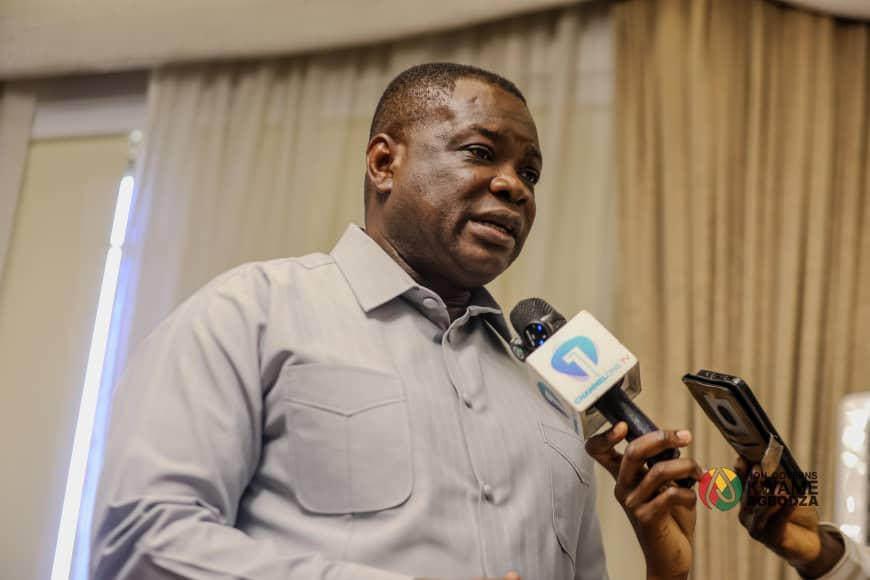
The Ga Mantse, Nii Teiko Tsuru II, has made a direct appeal to Ghana's Roads and Highways Ministry to establish a formal employment quota for Ga indigenes working on the nation's road infrastructure projects. During a courtesy visit by Roads and Highways Minister Governs Kwame Agbodza to the Ga Mantse Palace, the traditional leader argued that local people should have guaranteed access to jobs generated by development activities taking place in their homeland.
The request comes as the Ministry faces reported staffing shortages across various departments. The Ga Mantse proposed that the quota system extend across multiple employment categories, including professional engineering roles and skilled artisan positions. "We are making a note that you set up a quota for our Ga indigenes to be employed in the various sectors, either engineering or part of your artisan workforce," he stated, framing the proposal as a fair distribution of opportunity.
The case for local employment
The Ga Mantse emphasised that Ga people, as hosts of the nation's capital, deserve tangible benefits from infrastructure investments occurring on their soil. His argument reflects a broader principle of community benefit—that those providing the land and social foundation for major projects should see direct economic returns. He characterised the quota as ensuring "part of the cake has been saved for us and the indigenes of this soil who form the host of this capital."
Beyond employment concerns, the traditional leader also commended progress on several road construction projects within Ga State, noting that ongoing work appeared to be progressing satisfactorily. He expressed confidence that continued ministerial oversight and proper management would enable the government to complete planned projects by Ghana's 70th anniversary in 2025.
Why this matters for Ghana
This appeal reflects longstanding tensions around inclusive development in Ghana's urban centres. As Accra expands with new infrastructure projects, questions frequently arise about whether local communities benefit equitably or whether opportunities flow primarily to workers from other regions. The Ga Mantse's position carries significant weight—traditional authorities in Ghana remain influential voices on land and community matters, and his formal request to a sitting minister indicates the issue's importance to local stakeholders.
Employment quotas for indigenous populations exist in various forms across Ghana's public sector, though implementation and effectiveness remain contested. A formalised system in the Roads and Highways Ministry could set a precedent for other government agencies undertaking major projects in the capital region.
Broader development agenda
The Ga Mantse also used the meeting to highlight the work of his Foundation, which operates across education, youth skills development and social welfare. The Foundation has invested in school construction and refurbishment, sanitation infrastructure, and programmes targeting girls' education and retention. It is now expanding into vocational and entrepreneurial training to equip young people with employable skills.
The traditional leader appealed for ministerial support for these initiatives, suggesting potential collaboration between the Roads Ministry and the Foundation on skills development programmes. Such partnerships could address workforce shortages whilst simultaneously building local capacity in technical fields relevant to road construction and maintenance.
The exchange between the Ga Mantse and Minister Agbodza represents a moment where traditional governance, community interests and modern state infrastructure priorities intersect—an increasingly common dynamic as Ghana pursues rapid development whilst navigating questions of equity and local benefit.
Source: MyJoyOnline


Comments (0)
Be the first to comment.