
From One Toilet to 1,000 Installations: Washking's Decade of Tackling Ghana's Sanitation Crisis
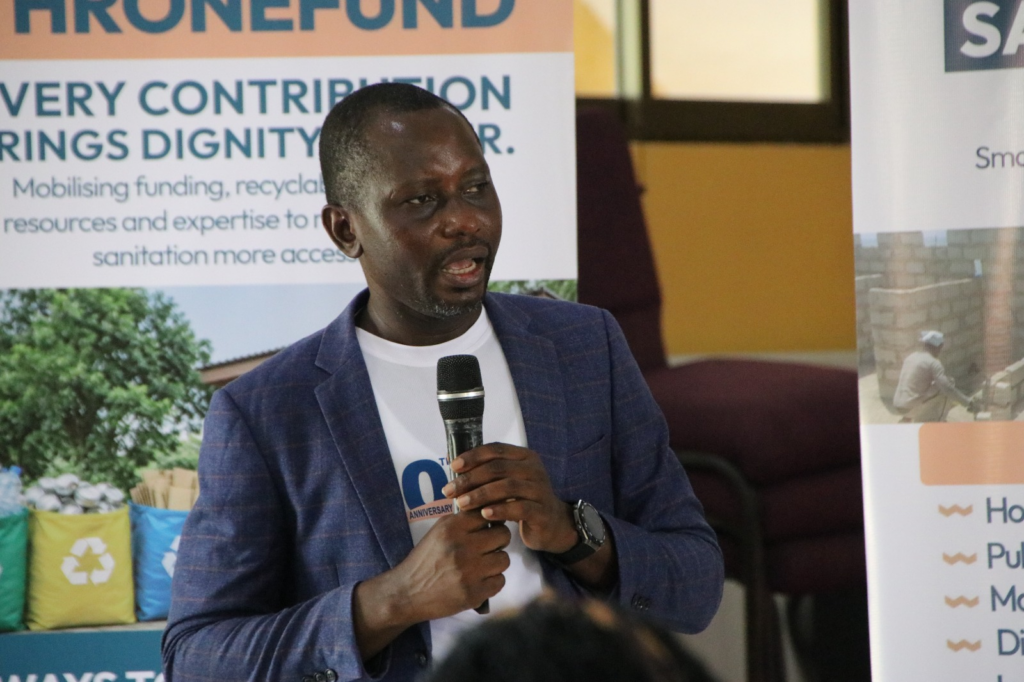

A Ghanaian company that began with a single toilet construction job has quietly become one of the more compelling local success stories in the sanitation sector. Washking Limited marked its 10th anniversary on Friday, 20th November 2026, at Heritage Christian University College in Amasaman, with its founder reflecting on a decade of steady, disciplined growth that has brought improved sanitation to thousands of Ghanaians — and generated more than one million Ghana cedis in local economic activity along the way.
Building a business from the ground up
Washking's founder and Chief Executive Officer, Dieudonne Kwame Agudah, was candid about the company's modest beginnings. There were no company vehicles, no boardroom, and no significant start-up funding — only a single opportunity to build one toilet, which the team seized and built upon through reinvestment and referrals.
Early contracts included toilet repairs, desludging services, and projects tied to the Greater Accra Metropolitan Area (GAMA) sanitation programme, which helped the company develop its technical capacity and establish a reputation in the sector. Over time, subcontracting arrangements and institutional partnerships allowed Washking to scale its operations significantly.
The company has since mobilised more than $1 million in external funding and support, and has received international recognition through the SEED Award, the Empowering People Award, and participation in programmes including the Toilet Board Coalition Accelerator and UNICEF StartUp Lab. Partners such as Grand Challenges Canada have also played a role in supporting the company's growth.
An earlier impact assessment found that Washking's sanitation installations saved communities an estimated 1.4 million hours that residents would otherwise have spent travelling to public toilets — a striking indicator of the practical difference improved sanitation access can make to daily life. The same assessment recorded more than GH¢329,000 earned by artisans and over GH¢737,000 generated for local suppliers through the company's work, representing a combined local economic footprint exceeding GH¢1 million.
Why it matters for Ghana
Ghana continues to face a significant sanitation deficit. Poor access to adequate toilet facilities remains a major public health concern, particularly in low-income urban communities and in schools. The consequences are well documented — open defecation contributes to the spread of preventable diseases such as cholera, diarrhoea, and typhoid, which disproportionately affect children and the elderly.
Washking's story is significant not simply because of the installations it has completed, but because it represents a locally-owned, commercially viable approach to a problem that is often addressed through short-term donor-funded projects with limited sustainability. Mr Agudah's emphasis on reinvestment, strong governance structures, and financial accountability reflects lessons that go beyond sanitation — they speak to how Ghanaian small and medium enterprises can grow steadily in challenging operating environments.
The company's work also carries an economic dimension that is often overlooked in discussions about sanitation. By training 45 individuals in artisan and sales skills and generating substantial income for local suppliers, Washking demonstrates that addressing infrastructure gaps can simultaneously create employment and stimulate local economies.
What comes next
Looking ahead, Mr Agudah outlined plans to make Washking's services more accessible to lower-income households — a segment of the population that often struggles to afford sanitation facilities due to the upfront costs involved. The company is exploring flexible payment arrangements and improved after-sales support to lower financial barriers to access.
Strengthening internal management, logistics, and governance structures is also on the agenda, as Washking seeks to build systems that will sustain the company beyond the drive of its founder alone — a challenge familiar to many growing Ghanaian businesses.
Mr Agudah also used the anniversary platform to call on government, development partners, the private sector, and young Ghanaians to collaborate more actively on sanitation challenges. He made a pointed appeal to students present at the event, urging them to build skills and pursue opportunities with integrity.
- Washking has completed over 1,000 sanitation installations, reaching more than 8,000 people in a decade.
- The company's work generated over GH¢1 million in combined local economic activity for artisans and suppliers.
- Future plans focus on flexible payment options to improve sanitation access for low-income Ghanaian households.
Source: MyJoyOnline



Comments (0)
Be the first to comment.