
From Joy to Burden: How Ghana's 'Our Day' Tradition Has Spiralled Into Financial Pressure
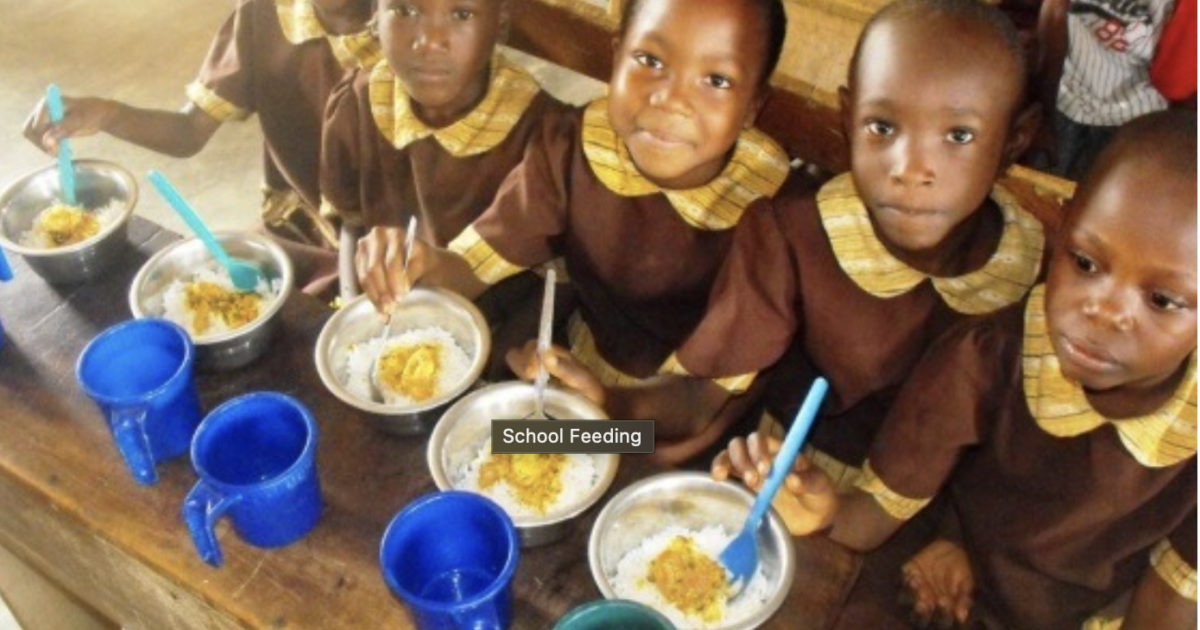

What was once Ghana's most treasured school tradition—a day of laughter, shared snacks, and genuine appreciation—has devolved into a source of anxiety and financial strain for thousands of parents. As the academic term winds down this week, social media erupts with complaints from parents claiming that teachers are directly soliciting expensive gifts, appliances, and substantial cash payments under the guise of end-of-term appreciation packages.
The shift marks a troubling departure from the cultural values that underpinned "Our Day" for generations. Parents report receiving phone calls and messages requesting everything from microwaves to large sums of money, leaving many—particularly those in private schools—caught between wanting to show gratitude and feeling coerced into spending beyond their means. For families already struggling with school fees and living costs, the pressure has become unbearable.
The Erosion of a Cherished Tradition
Older generations recall "Our Day" as pure celebration. Children would arrive at school with baskets decorated in white cloth, filled with biscuits, juice, and snacks to share with classmates and teachers. The gifts were voluntary tokens of appreciation, never expected or demanded. No child faced embarrassment for bringing nothing, and no parent felt obligated to purchase anything. The day embodied spontaneous generosity and genuine gratitude.
Teachers accepted these modest offerings with pride, recognising them as expressions of respect rather than transactions. The joy came not from the value of gifts but from the shared experience of breaking bread together and acknowledging the bond between educators and pupils. It was quintessentially Ghanaian—a celebration of community, respect, and kindness.
Today's reality is starkly different. Instead of children packing snacks with excitement, parents find themselves fielding direct requests for expensive items. The transformation has injected fear and resentment into what should be a joyful occasion, with many parents now dreading the "Our Day" season.
Why This Matters for Ghana
The "Our Day" crisis reveals deeper tensions in Ghana's education system and society. First, it exposes economic inequality: while wealthy families can easily afford microwaves or large cash gifts, working-class parents face genuine hardship. Teachers' requests, whether intentional or not, risk humiliating children whose parents cannot comply. This directly contradicts Ghana's cultural values of inclusivity and equal dignity.
Second, it raises questions about teacher welfare and professionalism. While Ghanaian teachers genuinely deserve recognition and fair compensation for their crucial work, soliciting expensive gifts blurs professional boundaries and can constitute inappropriate conduct. Schools and education authorities have a responsibility to ensure that appreciation does not become coercive.
Third, the controversy threatens to damage the culture of generosity that defines Ghanaian society. When giving becomes obligatory rather than voluntary, it loses its spiritual and moral value. Parents who once gave willingly may now give grudgingly—or not at all—breeding resentment rather than gratitude.
Finding a Path Forward
The solution requires balance. Teachers absolutely deserve appreciation for their dedication, sacrifice, and often out-of-pocket investment in their pupils' lives. Genuine gratitude from parents and communities strengthens schools and morale.
However, appreciation must never feel compulsory. Schools and education authorities should establish clear guidelines prohibiting direct solicitation of expensive gifts or cash. Instead, schools could organise collective appreciation events where modest, voluntary contributions—or no contribution at all—are acceptable.
Parents and teachers must engage in direct, respectful conversation about expectations. When specific teachers make unreasonable demands, those issues should be escalated to school leadership and education authorities rather than allowing frustration to generalise into blame.
Most importantly, Ghana must recommit to the values that made "Our Day" beautiful: spontaneous kindness, genuine appreciation, and inclusivity. The greatest gift a teacher receives is not a microwave or cash envelope, but the knowledge that their patience, sacrifice, and commitment have shaped a child's future. That recognition costs nothing but means everything.
Source: MyJoyOnline




Comments (0)
Be the first to comment.