From gate full at dawn to empty silence: How losing 2012 election changed everything for GMTF boss Obuobia Darko
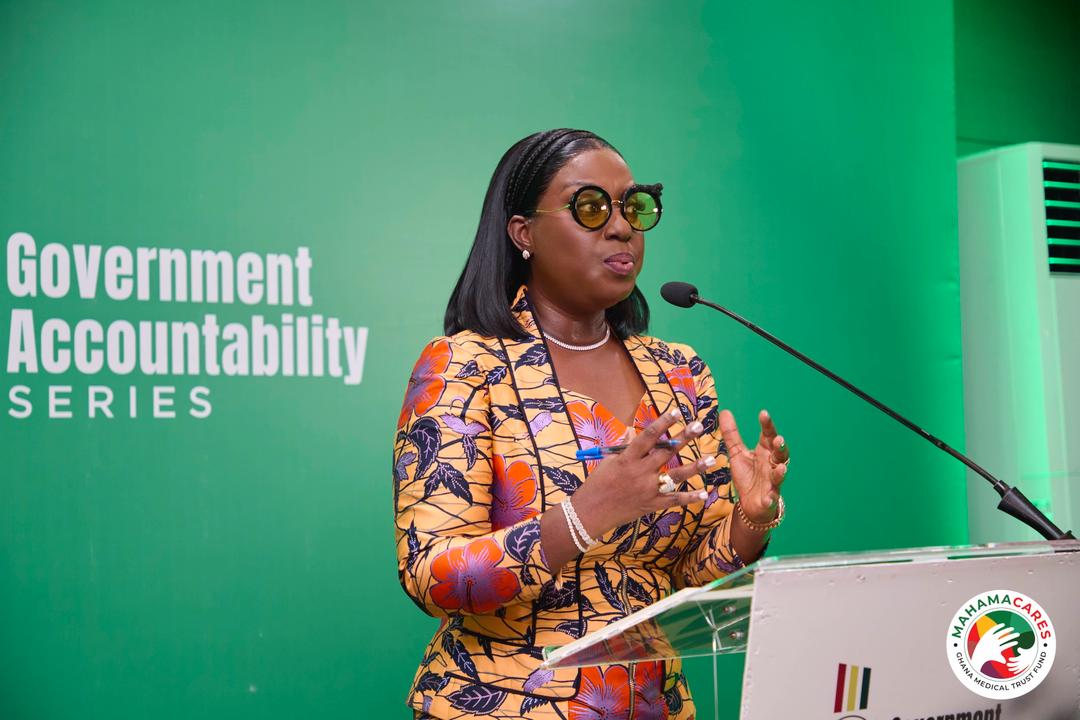
The Administrator of the Ghana Medical Trust Fund (GMTF), Obuobia Opoku-Darko, has shared a candid account of the financial hardship and emotional isolation she experienced following her defeat in the 2012 parliamentary election in Weija-Gbawe Constituency—a loss that left her household struggling to afford even basic necessities like prepaid phone credit.
Speaking at a thanksgiving service marking her 49th birthday, Ms Opoku-Darko painted a stark picture of the dramatic shift that occurred the moment the election results became clear. What had once been a home bustling with visitors from early morning—often arriving as early as 4:30 a.m. seeking her assistance—transformed overnight into a quiet, empty residence. The contrast was so jarring that when she woke the morning after her loss and drew back her curtains, she found no one waiting at her gate.
"Ordinarily by 4:30 a.m. my gate is full," she recalled. "They come with all sorts of stories, and I had to help. When I didn't have, I had to borrow to help. But when I lost the elections, and I woke up that morning, and I drew my curtain, there was nobody there."
The invisible cost of political influence
Ms Opoku-Darko used her personal experience to reflect on a broader truth about relationships tied to political power and perceived wealth: they are often transactional and fragile. During her time as a parliamentary candidate and public figure, people gravitated toward her because they believed she had resources and influence. The moment that power evaporated, so did the stream of visitors and the requests for assistance.
This realisation prompted deeper reflection on the nature of genuine support. She questioned whether anyone had ever considered her own emotional and financial struggles while she was busy attending to theirs. "Has anybody thought how I feel? What are my issues? What am I going through?" she asked her audience.
The experience became a spiritual and practical lesson about the importance of self-care and seeking help. Ms Opoku-Darko used the metaphor of a cup that must be refilled to illustrate how people who constantly give to others risk becoming empty themselves. She emphasised that even those who appear outwardly strong, cheerful and capable—as she does in her current role—face personal challenges and need support.
Why it matters for Ghana
Ms Opoku-Darko's candid revelations highlight several issues deeply relevant to Ghanaian society. First, they expose the precarious position of unsuccessful political candidates in Ghana, many of whom lack financial safety nets and rely on their public standing to sustain themselves and their households. The transition from political office or candidacy to obscurity can be financially devastating.
Second, her account underscores the transactional nature of many relationships in Ghanaian politics and public life, where people attach themselves to those they perceive as influential or resourceful. When power shifts, loyalty often disappears—a pattern that has long characterised Ghanaian social and political dynamics.
Third, her message resonates with ongoing conversations about mental health, caregiver burnout and the importance of support systems in Ghana. As a woman in a leadership position who regularly assists others, her struggle reflects the invisible emotional labour performed by many Ghanaians in similar positions, particularly women.
A call for reflection and faith
Rather than dwelling solely on her hardship, Ms Opoku-Darko framed her experience as a catalyst for spiritual awakening and a reminder that genuine support ultimately comes from faith. She challenged her audience to identify their sources of strength during difficult times and to recognise when they themselves need help.
Her message also extends to those in positions to help others: they must find ways to replenish their own emotional and financial resources. "You keep pouring out, and I'm telling you, you will be empty soon," she warned, referencing the mounting pressures many Ghanaians face—school fees, business challenges, marital difficulties and financial obligations.
Ms Opoku-Darko's journey from electoral defeat to her current role as GMTF Administrator suggests that recovery and renewal are possible, even after significant setbacks. Her willingness to publicly discuss this painful chapter of her life offers both validation to others facing similar struggles and a broader commentary on resilience in the Ghanaian context.
Source: MyJoyOnline


Comments (0)
Be the first to comment.