
Final wave of Ghanaian evacuees from South Africa set to arrive as repatriation nears completion

Mass repatriation reaches final phase
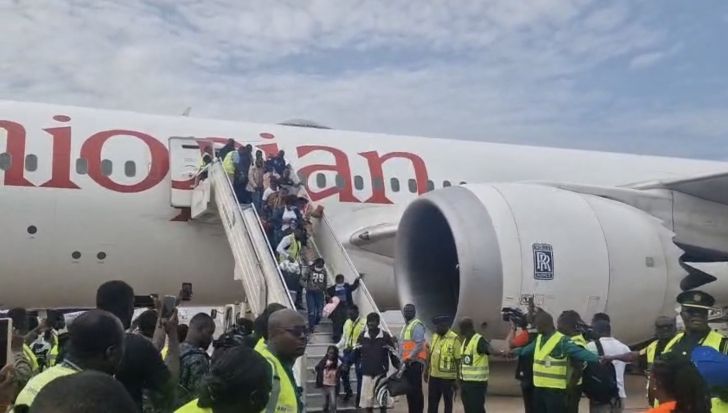
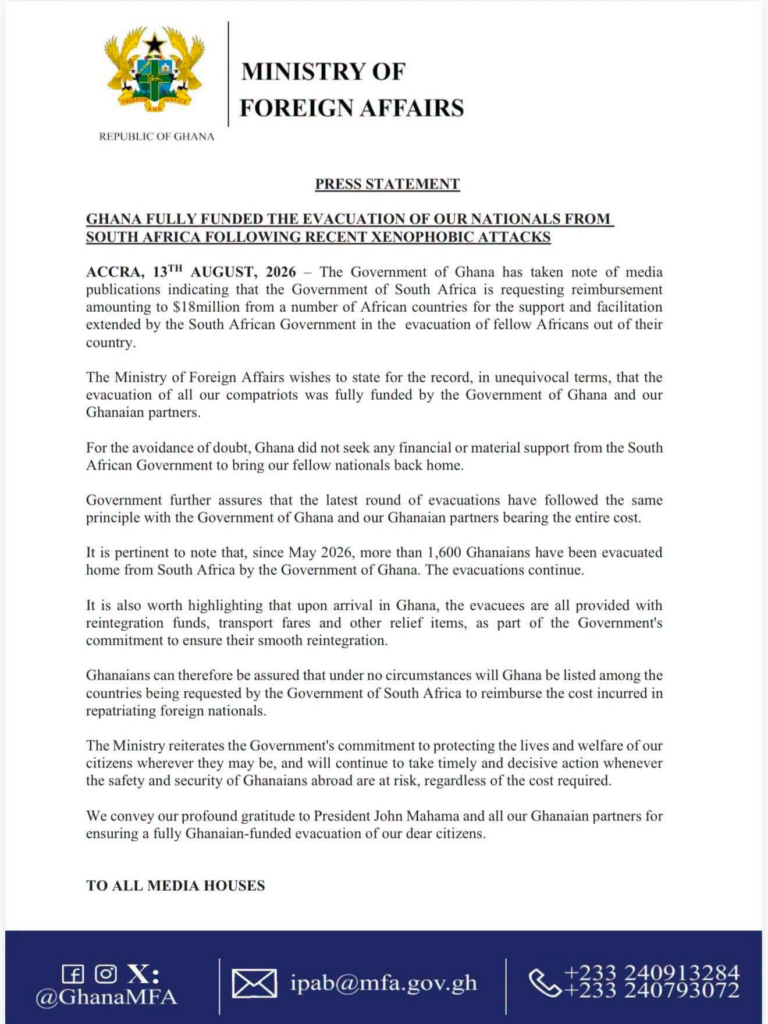
Ghana's government is entering the final stage of its emergency repatriation programme for Ghanaians in South Africa, with another batch of evacuees expected to arrive on Saturday, 25 July. The operation represents the culmination of weeks of coordinated efforts to bring home citizens who voluntarily registered to leave the country following a surge in xenophobic attacks targeting foreign nationals.
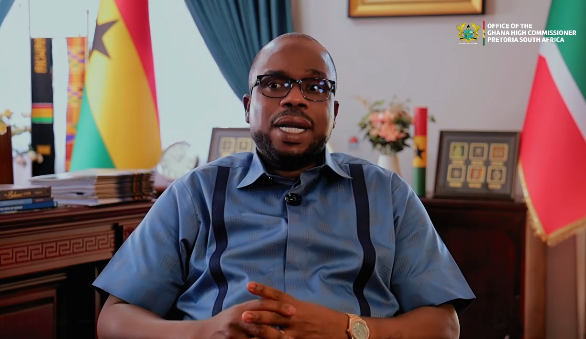
The repatriation exercise has now brought approximately 926 Ghanaians back home during earlier phases, with around 900 more registered individuals scheduled to depart in the coming weeks. Ghana's High Commissioner to South Africa, Benjamin Quashie, confirmed on 14 July that the remaining evacuees would begin their journey home from 25 July, with flights operating in phases until all registered persons have been transported.
The evacuation programme was initiated following heightened safety concerns among the Ghanaian diaspora in South Africa, where xenophobic violence has periodically targeted foreign nationals. The government, through the Office of the President and the Ministry of Foreign Affairs, mobilised resources to facilitate the voluntary repatriation of those seeking to return.
High-level government commitment and diplomatic engagement
The repatriation exercise has received backing from the highest levels of Ghana's government. President John Dramani Mahama commended the efforts during a meeting with African Union Commission Chairperson Mahmoud Ali Youssouf on 22 July, whilst also disclosing that South African President Cyril Ramaphosa had dispatched a delegation to Ghana to discuss the recurring attacks on foreign nationals.
During that diplomatic engagement, Ghana used the opportunity to underscore its concerns about the violence whilst emphasising that its position was not intended to damage relations with South Africa. Instead, President Mahama stressed that Ghana's intervention was aimed at securing the safety and preserving the dignity of African citizens residing in the country.
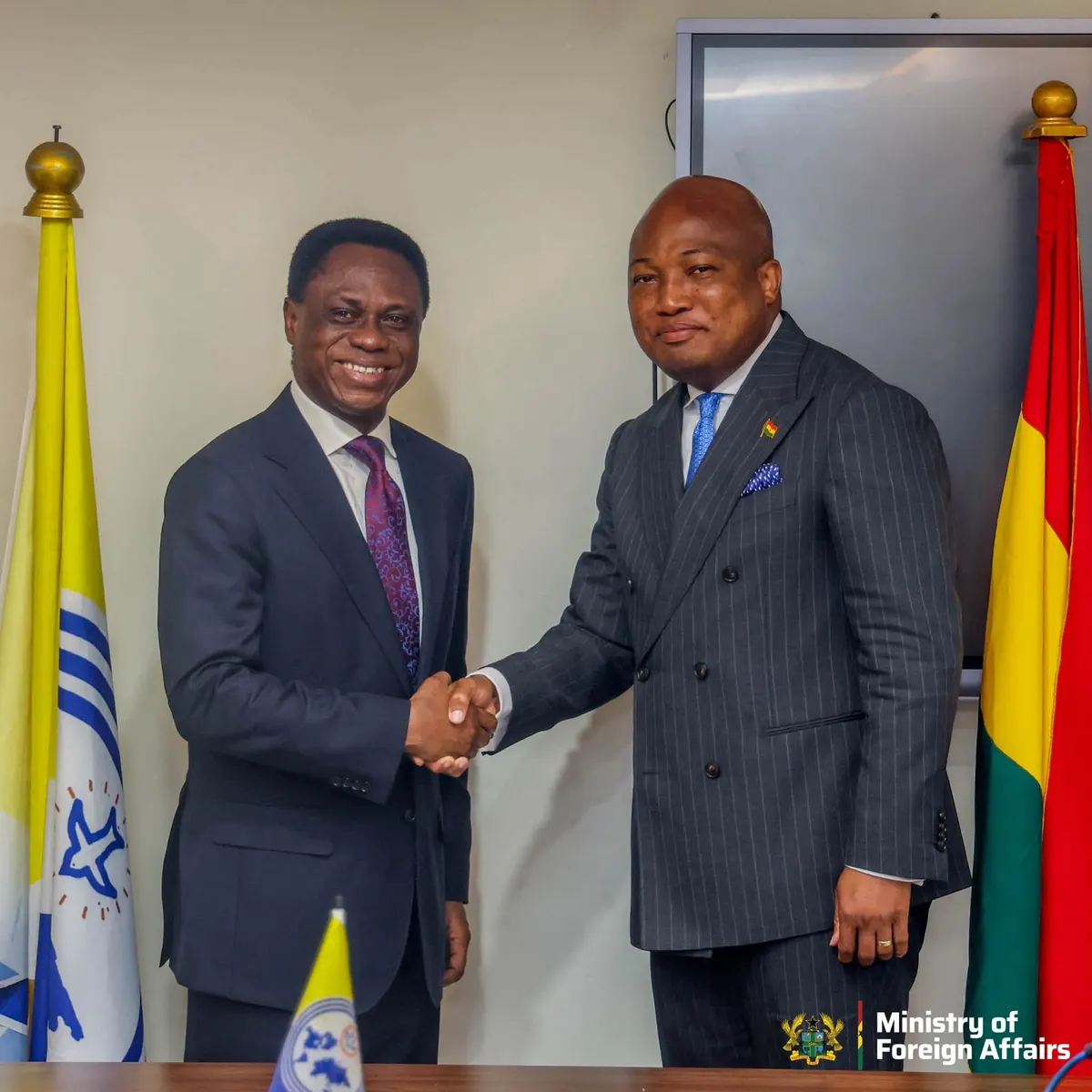
Foreign Affairs Minister Samuel Okudzeto Ablakwa was also recognised for his role in supporting the initiative, signalling the government's determination to protect Ghanaian nationals abroad.
What this means for returning evacuees and Ghana-South Africa relations
The completion of the repatriation programme will provide relief to hundreds of families who have spent weeks in uncertainty awaiting the return of loved ones. For many Ghanaians in South Africa, the evacuation offers both a safety net and an acknowledgment from their government of the real threats they face.
Once the emergency programme concludes, the government has indicated that Ghanaians requiring assistance to return home will be supported through regular consular services. This suggests that whilst the acute phase of the crisis is being managed, Ghana remains alert to the broader challenges faced by its diaspora in South Africa.
The incident also underscores the fragility of the regional security situation for migrant workers and entrepreneurs across southern Africa. Xenophobic violence in South Africa has periodically flared over the past decade, prompting similar evacuations and raising questions about the protection of foreign nationals' rights within SADC member states. Ghana's diplomatic approach—combining emergency relief with high-level dialogue—reflects a broader concern among West African nations about safeguarding their citizens in the region whilst maintaining constructive bilateral relationships. The repatriation exercise, therefore, serves not only as a humanitarian response but also as a signal of Ghana's commitment to holding larger regional powers accountable for the security of African migrants.
Source: MyJoyOnline


Comments (0)
Be the first to comment.