ECOWAS Equips Regional Officials with Knowledge on Arms Transfer Rules and Exemptions

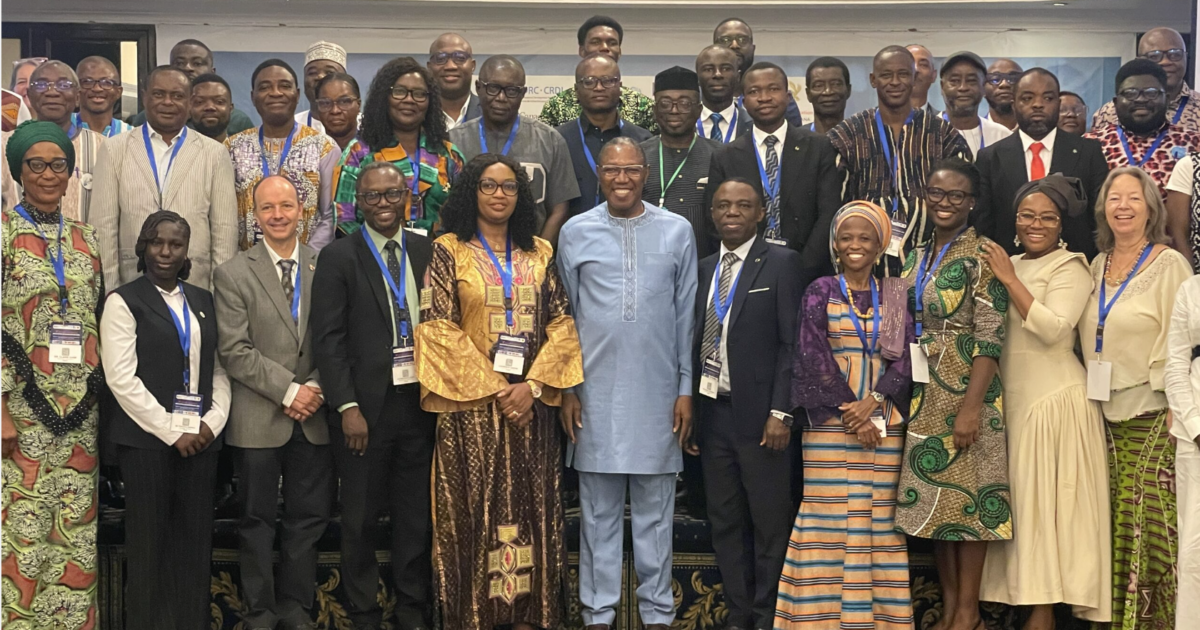
The Economic Community of West African States (ECOWAS) has launched a comprehensive training programme for National Focal Persons from member states, focusing on arms transfer exemptions and control protocols. The initiative, which commenced on August 17, 2026, represents a significant step towards standardising weapons regulation practices across the 15-nation regional bloc.
The training programme addresses a critical gap in West Africa's security architecture. As armed trafficking, insurgency and transnational crime continue to destabilise parts of the region, ECOWAS recognised the need to equip designated officials with detailed knowledge of legitimate arms transfer exemptions, proper documentation procedures, and compliance mechanisms. National Focal Persons serve as the primary liaison between their governments and ECOWAS on matters concerning arms control and small weapons regulation.
Strengthening Transparency and Regional Cooperation
A core objective of the training is to promote transparency in how member states handle arms transfers. By ensuring all national representatives understand the same standards and exemptions, ECOWAS aims to reduce inconsistencies that could be exploited by traffickers or unscrupulous actors. The programme emphasises the documentation and reporting requirements that accompany legitimate transfers, enabling governments to track weapons movement within and across borders more effectively.
Enhanced cooperation among member states is equally vital. West Africa has seen numerous cases where weapons acquired through legal channels in one country are diverted to conflict zones or criminal networks in neighbouring states. Improved communication between National Focal Persons, underpinned by shared understanding of exemptions and regulations, can help identify suspicious patterns and prevent such diversions.
Why It Matters for Ghana
Ghana, as an ECOWAS member and a relatively stable nation, plays an important role in the regional security framework. The country hosts the ECOWAS Secretariat in Accra and is often looked to as a voice of reason on regional governance issues. Enhanced arms control standards benefit Ghana directly by reducing the illegal weapons that flow into its territory from conflict-affected neighbours, particularly in light of increasing cross-border security challenges.
For Ghana's security agencies—including the Ghana Police Service, the Bureau of National Investigations, and the Armed Forces—the harmonised standards resulting from this training offer clearer frameworks for cooperating with other West African nations on arms trafficking investigations. Additionally, Ghana's focus on maintaining democratic stability and the rule of law aligns with ECOWAS's push for transparent, accountable weapons management.
The training also underscores Ghana's ongoing participation in regional security architecture, particularly as it navigates its own security challenges in the northern regions and manages cross-border dynamics with Côte d'Ivoire, Burkina Faso, and Togo.
Broader Regional Security Implications
Arms proliferation remains one of West Africa's most pressing security threats. Uncontrolled weapons feed conflicts in Mali, Burkina Faso, and parts of Nigeria, whilst also enabling armed robbery, kidnapping, and other crimes throughout the region. By establishing clearer exemption protocols and improving transparency, ECOWAS aims to make it harder for weapons to be illegally diverted whilst ensuring that legitimate defence and law enforcement needs are still met.
The training represents a practical, operational approach to addressing these challenges—moving beyond policy statements to equipping the officials who must implement arms control day-to-day. As member states continue to grapple with terrorism and organised crime, such initiatives strengthen the institutional capacity required to combat these threats effectively.
Source: 3News


Comments (0)
Be the first to comment.