Earl Spencer's new memoir reignites Diana controversy: claims about King Charles spark royal row
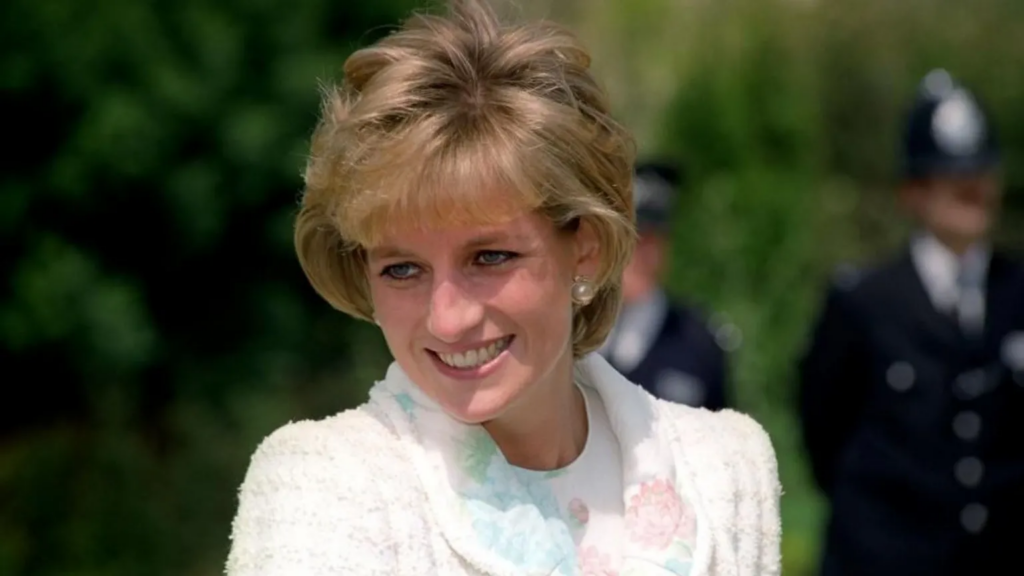
Earl Spencer, brother of the late Princess Diana, has made explosive allegations in a forthcoming memoir that King Charles sounded unusually cheerful when he telephoned him following Diana's fatal car crash in Paris on 31 August 1997. The claims, set to be published in Spencer's book Swan Song: Diana, My Sister, have prompted a swift and pointed response from Buckingham Palace, which questioned the reliability of the account nearly three decades after the tragic event.
In extracts published by the Daily Mail, Earl Spencer recounts receiving the devastating news from his sister Jane in the early hours of 31 August while at his home in Cape Town, South Africa. He describes subsequent telephone calls confirming Diana's death before the then-Prince Charles rang him. Spencer writes that unlike other callers who were "stunned, barely able to articulate their condolences," Charles "sounded giddily elated — like a lottery winner, I remember thinking at the time."
Palace response and credibility questions
Buckingham Palace issued a carefully worded statement on Wednesday rejecting the book's central allegations. A spokesperson stated: "While we do not comment on books as a matter of principle, His Majesty is mindful that the pain of fraternal grief can cloud reason, affect judgment and colour memory in ways others do not recognise, even many years after such a loss."
The palace's response notably does not directly address Spencer's specific claims but rather suggests that grief and the passage of nearly 30 years may have affected his recollection of events. The statement represents a restrained but pointed critique of the memoir's reliability as historical evidence.
Earlier extracts from the book had claimed Charles said of Diana: "We'll forget her soon enough," which the palace also disputed indirectly through the same statement. Prince Harry's representatives have declined to comment on the allegations.
Why it matters for Ghana
While the scandal centres on the British royal family, it resonates with global audiences and particularly with Commonwealth nations including Ghana. The legacy of Princess Diana remains culturally significant worldwide, with her humanitarian work and personal struggles continuing to captivate international attention. The controversy also highlights broader questions about royal accountability, media scrutiny, and how historical narratives are shaped by those with access to platforms and privilege—issues that resonate across Commonwealth nations and developing democracies navigating their own relationships with institutional power.
The memoir also reveals Spencer's assessment that Diana suffered from attention deficit hyperactivity disorder (ADHD) and rejection-sensitive dysphoria, conditions he believes contributed to her emotional struggles. He writes that in her later years, Diana contemplated taking her own life on multiple occasions but was prevented from doing so by her love for her sons, Princes William and Harry.
Broader claims about the royal marriage
Spencer's account extends beyond the circumstances of Diana's death. He claims that on the eve of their wedding in July 1981, Diana's friend told him that Prince Charles said he was "very happy to marry her, but… not actually in love with her." He describes the marriage as becoming "very difficult indeed" early on, noting that both spouses "despaired of the other at times."
The royal couple had divorced in August 1996, just over a year before Diana's death. Spencer's allegations paint a picture of a deeply troubled relationship, challenging official narratives about the royal marriage and offering an insider's perspective on one of the twentieth century's most scrutinised unions.
Swan Song: Diana, My Sister is scheduled for publication next week. The BBC has not yet reviewed the full manuscript. As publication approaches, the memoir is likely to generate substantial public debate about the accuracy of Spencer's claims and the broader question of how we evaluate historical accounts from those close to significant events.
Source: MyJoyOnline




Comments (0)
Be the first to comment.