DVLA Deploys Camera Surveillance to Crack Down on Fake Vehicle Roadworthiness Certificates
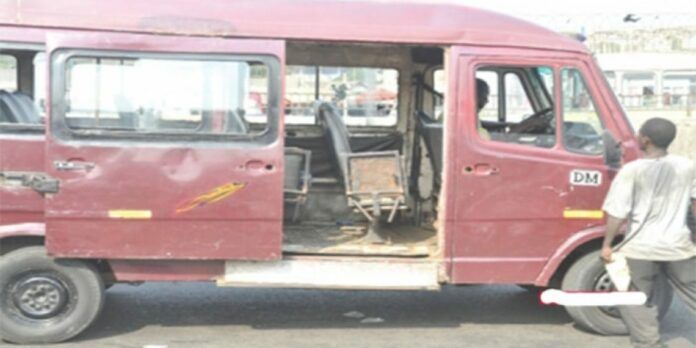
The Driver and Vehicle Licensing Authority (DVLA) is moving to tighten oversight of roadworthiness certification by installing video monitoring systems at Private Vehicle Testing Stations (PVTS) across the country. The initiative aims to eliminate fraudulent practices and close loopholes that have allowed substandard vehicles to obtain legitimate certification documents.
According to the DVLA's announcement, the surveillance system will monitor testing procedures at PVTS facilities to ensure compliance with national standards and detect irregularities in the issuance of roadworthiness certificates. This crackdown addresses longstanding concerns about corruption and poor quality control in vehicle testing, which has compromised road safety across Ghana.
The Problem of Fake Certificates
Roadworthiness certificates serve as proof that a vehicle meets Ghana's safety and environmental standards. However, the integrity of this system has been undermined by corrupt officials at some private testing stations who issue certificates without conducting proper inspections. Drivers and vehicle owners have reportedly been able to obtain these documents through informal payments, allowing unsafe vehicles to operate on public roads.
This practice endangers lives. Vehicles operating without genuine certification may have faulty brakes, worn tyres, defective lights, or other mechanical failures that increase accident risk. Additionally, uncertified vehicles often emit excessive exhaust fumes, contributing to environmental pollution.
Why It Matters for Ghana
Road safety remains a critical public health issue in Ghana. According to transport authorities, unsafe vehicles are a leading factor in traffic accidents that claim hundreds of lives annually. The DVLA's video monitoring initiative represents a significant step toward strengthening enforcement and protecting road users.
The deployment of surveillance technology also signals the authority's commitment to modernising its regulatory framework and reducing bureaucratic corruption. By introducing objective, third-party oversight through video evidence, the DVLA can hold private testing stations accountable and deter malpractice.
For vehicle owners and drivers, the measure promises a more reliable certification system—though it may also mean stricter testing requirements and potentially higher costs. Long-term, this should result in fewer defective vehicles on Ghana's roads and improved safety for all road users.
The DVLA has not yet announced which testing stations will be equipped with cameras first, or the timeline for rolling out the system nationwide. Implementation details, including data storage, access protocols, and whether recorded footage will be available for public scrutiny, remain unclear.
Next Steps
- DVLA to identify priority testing stations for camera installation based on complaint patterns
- Training of enforcement officers to review surveillance footage and investigate violations
- Public communication campaign to inform vehicle owners of stricter certification standards
Citizens and transport industry stakeholders are expected to see visible changes in testing procedures within the coming months as the system is rolled out.
Source: 3News

Comments (0)
Be the first to comment.