
Doctors push EPA to broaden Styrofoam ban into wider single-use plastic crackdown
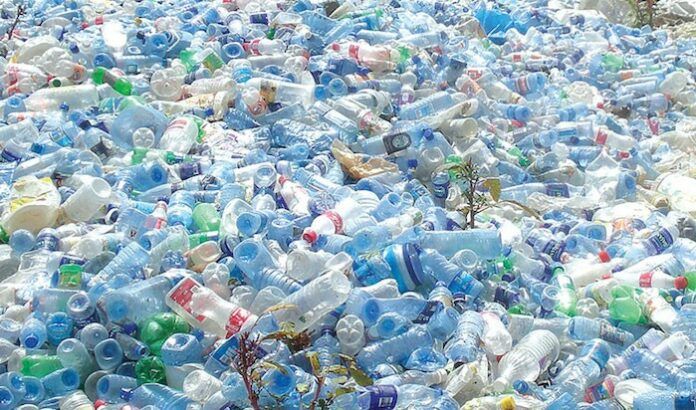

Ghana's medical fraternity has thrown its weight behind the Environmental Protection Agency's proposed Styrofoam ban, but with a significant twist: the Ghana Medical Association (GMA) is urging authorities to go further and tackle the entire single-use plastic problem rather than targeting one material alone.
The GMA's intervention signals growing concern within the healthcare sector about the broader environmental and health implications of plastic waste, which has become one of Ghana's most pressing sanitation challenges. The association argues that a piecemeal approach to plastic pollution will leave the country vulnerable to continued public health risks.
Why the expanded ban matters for Ghana
Ghana generates millions of tonnes of plastic waste annually, much of it ending up in landfills, waterways, and the ocean. Beyond environmental degradation, plastic pollution directly threatens Ghanaian public health through multiple pathways: contaminated water supplies, food chain bioaccumulation, and disease vector proliferation in areas choked with waste. The GMA's recommendation reflects medical evidence linking plastic pollution to respiratory issues, waterborne diseases, and chemical exposure in vulnerable populations.
A comprehensive single-use plastic ban would address the root causes of waste accumulation rather than treating symptoms. Styrofoam alone, whilst highly problematic due to its non-biodegradable nature and tendency to fragment into microplastics, represents only one portion of Ghana's plastic crisis. Single-use bags, bottles, food containers, and packaging—most made from conventional plastics—clog drainage systems, choke marine ecosystems, and persist in the environment for centuries.
The current landscape and enforcement challenges
Ghana has attempted plastic restrictions before. In 2018, the government banned the manufacturing, importation, and use of plastic bags below a certain thickness, though enforcement remains inconsistent in many communities. The EPA's focus on Styrofoam represents acknowledgement that targeted action is necessary, but the GMA contends that incremental bans create loopholes—manufacturers and consumers simply shift to alternative single-use materials rather than addressing consumption patterns fundamentally.
For a ban to succeed, several conditions must align: clear regulatory definitions of what constitutes single-use plastic, robust enforcement mechanisms, stakeholder buy-in from businesses and traders, and viable alternatives for common applications. The medical profession's endorsement could strengthen political will for implementation, as it frames plastic pollution as a health emergency rather than merely an environmental issue.
Implications and next steps
The GMA's position reflects a broader global shift towards comprehensive plastic reduction rather than material-specific bans. Countries including Rwanda, Kenya, and Mauritania have implemented wider single-use plastic restrictions with measurable success in reducing waste volumes and improving environmental conditions.
If the EPA heeds this advice, Ghana could emerge as a leader in West African environmental governance. However, implementation will require coordination across multiple agencies, investment in waste management infrastructure, and public education campaigns explaining available alternatives.
The timing is significant, as Ghana continues grappling with its status as a dumping ground for global plastic waste. A comprehensive single-use plastic ban, backed by the medical establishment, would signal intent to break that cycle and prioritise the health of Ghanaian communities over convenience-driven consumption patterns.
Source: 3News





Comments (0)
Be the first to comment.