Disability Groups Escalate Push for Job Quota as Government Stalls on 5% Promise
-1200x675.webp)
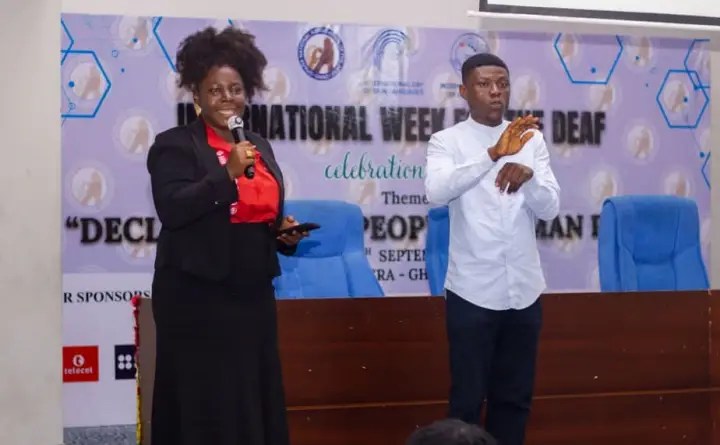
A coalition of graduates with disabilities has intensified pressure on the government by escalating their campaign to the presidency, citing years of inaction on a commitment to reserve 5% of public sector jobs for persons with disabilities (PwDs). The move signals growing frustration among disability advocates who say repeated petitions have yielded little tangible progress.
Gilbert Boateng, the Lead Convener of the group, revealed that the decision to petition senior presidential staff stemmed from the coalition's repeated attempts to secure implementation without success. The group's strategy shift underscores the urgency they feel about translating the government's verbal commitment into concrete employment opportunities.
The Long-Standing Promise and Its Impact
Ghana has made public commitments to employment equity for persons with disabilities, with the 5% public sector job quota representing a flagship policy objective. However, implementation has lagged significantly, leaving many qualified graduates with disabilities unable to access formal employment despite their qualifications. This gap between policy and practice has created a pool of frustrated, educated young people who are unable to contribute their skills to the national workforce.
The coalition's decision to petition the presidency—rather than continuing engagement with lower-level government offices—reflects a belief that the issue requires top-level intervention and prioritisation. Such escalation is typically reserved for matters where stakeholders believe normal administrative channels have failed to deliver results.
Why This Matters for Ghana
Employment discrimination against persons with disabilities represents both a human rights issue and an economic loss for the nation. Ghana's workforce development depends on tapping all available talent, including the estimated millions of working-age Ghanaians living with disabilities. When qualified graduates remain unemployed due to their disability status, Ghana loses productive capacity and talent that could contribute to economic growth and innovation.
Beyond economics, the issue touches on Ghana's international obligations. The country is a signatory to the Convention on the Rights of Persons with Disabilities, which commits signatories to ensuring equal employment opportunities. Failure to implement domestic quotas undermines Ghana's credibility on disability rights and weakens the social contract with citizens living with disabilities.
Additionally, mass unemployment among educated PwDs can fuel social tension and frustration. Young graduates who invested time and resources in education only to face systemic exclusion from employment represent a constituency with legitimate grievances.
Next Steps and Expectations
The petition to the presidency is likely to prompt a formal response, though the timeline and substance remain unclear. Key questions facing the government include whether the 5% quota will be implemented across all public sector institutions simultaneously, how compliance will be monitored, and what accountability measures will ensure the policy is not merely announced but actually enforced.
Disability advocates will likely continue monitoring government action closely. Success in this campaign could set a precedent for other groups seeking implementation of long-promised social policies, while failure could deepen scepticism about the government's commitment to inclusive development.
Source: 3News
-800x437.webp)

Comments (0)
Be the first to comment.