
DACF Inequalities Threaten to Deepen Poverty in Northern Ghana, Experts Warn
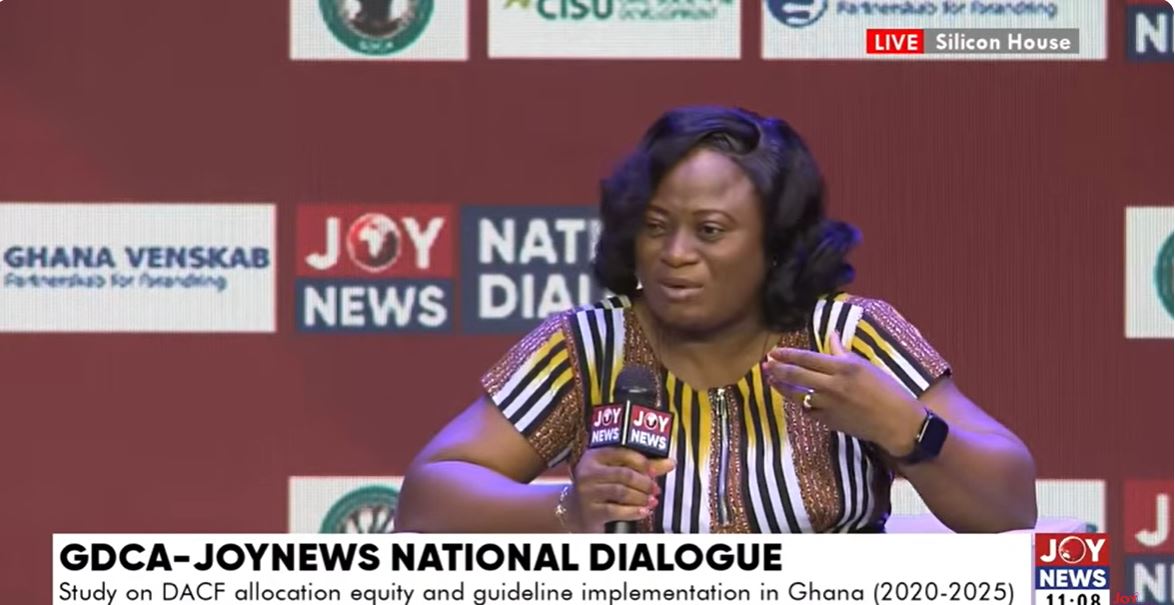

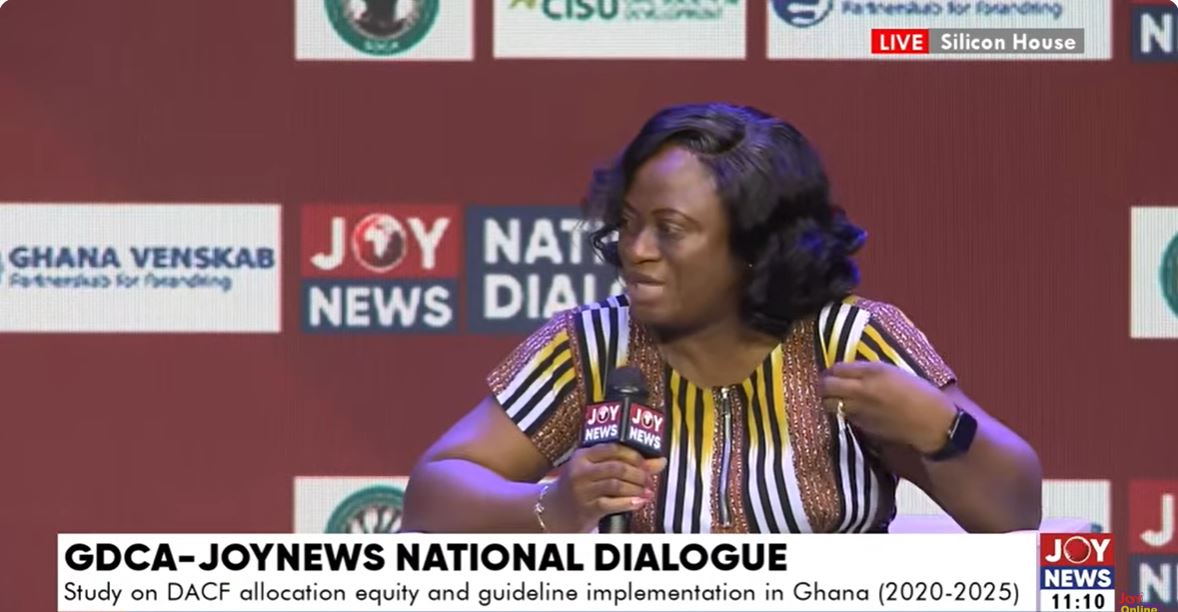
A leading governance and development organisation has sounded a stark alarm over the state of Ghana's District Assemblies Common Fund (DACF), warning that unless serious reforms are made to address deep-seated inequalities in how the Fund is distributed and managed, poverty and underdevelopment in Ghana's northern regions will continue to worsen. The Ghana Developing Communities Association (GDCA) made the warning during a national dialogue held in collaboration with JoyNews, focused on a comprehensive study examining DACF allocation equity and guideline implementation between 2020 and 2025.
Northern Regions Bearing the Brunt
According to Evita Emma Dunee, Technical Advisor for Policy and Governance at the GDCA, districts in the Northern, Savannah, and Upper East regions are among those recording the highest levels of multidimensional poverty in the country. These are areas that already face significant gaps in infrastructure and basic service delivery, and Ms Dunee warned that without deliberate efforts to ensure the DACF responds adequately to their development needs, these communities risk falling even further behind.
"If we don't step up to really engage and show more interest in the implementation or the equity element concerning the District Assembly Common Fund, then the poverty and underdevelopment levels will continue to rise," she cautioned during the dialogue.
The DACF, established under Ghana's constitution, is meant to channel a share of national revenue to district assemblies to fund local development projects — from schools and clinics to roads and sanitation facilities. In principle, the Fund is supposed to favour poorer and more deprived districts. In practice, however, critics and civil society groups have long raised concerns that the allocation formula and release timelines do not always reflect the depth of need on the ground.
Irregular Releases Crippling Local Projects
One of the central findings from the GDCA's monitoring work is that irregular and delayed releases of the Fund are seriously undermining the ability of Metropolitan, Municipal and District Assemblies (MMDAs) to execute planned projects. Ms Dunee explained that when funds arrive outside the expected schedule, assemblies struggle to implement projects outlined in their medium-term development plans within the relevant fiscal year, often resulting in stalled or abandoned infrastructure.
"If there is irregularity, it also affects the assembly's implementation of the assigned projects they want to do within a particular fiscal year," she noted.
Beyond the timing issues, the GDCA's community engagement exercises have raised broader concerns about how effectively DACF resources reach their intended beneficiaries. The organisation has been monitoring DACF-funded projects across several assemblies and speaking directly with communities to assess whether resources are translating into visible and meaningful development.
Why It Matters for Ghana
The DACF is one of the most significant fiscal tools Ghana has for reducing regional inequality and driving grassroots development. With the country still grappling with wide development disparities between the south and the north, the proper functioning of this Fund is not a bureaucratic concern — it is a matter of economic justice.
Ghana's northern regions have historically lagged behind in access to quality education, healthcare, clean water and economic opportunity. If the Fund continues to be released irregularly, or if its equity provisions are not enforced, the gap between deprived communities and more developed districts will only grow wider — a trend that could fuel migration pressures, deepen inequality, and undermine the country's broader development ambitions.
The GDCA is calling for stronger accountability mechanisms, more consistent Fund releases, and genuine commitment from both central government and local authorities to ensure the DACF fulfils its constitutional mandate. Civil society groups, the media, and citizens in affected communities are being urged to take a more active role in monitoring how the Fund is used and demanding transparency from their assemblies.
- Accountability gap: GDCA monitoring has revealed irregularities in DACF project implementation across multiple districts.
- Northern regions most at risk: Districts in Northern, Savannah and Upper East regions face the highest multidimensional poverty levels.
- Delayed releases: Irregular Fund disbursements are preventing assemblies from completing planned development projects on time.
Source: MyJoyOnline

-800x533.webp)
Comments (0)
Be the first to comment.