
Delayed DACF Releases Are Strangling Development in Ghana's Poorest Districts, Researchers Warn

Ghana's poorest districts are bearing the heaviest cost of delays and irregularities in the release of the District Assemblies Common Fund (DACF), according to the Ghana Developing Communities Association (GDCA). The organisation, which has monitored DACF-funded projects across the country, says inconsistent disbursements are preventing Metropolitan, Municipal and District Assemblies (MMDAs) from completing planned development projects within the fiscal year, leaving communities without promised infrastructure and services.
What is happening on the ground
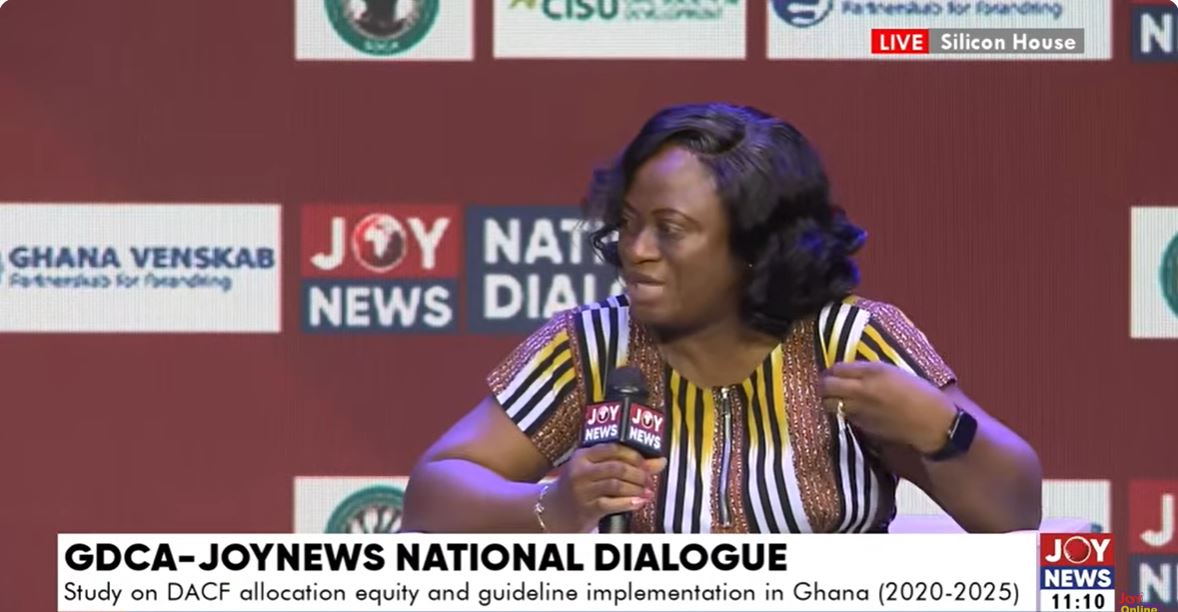
Evita Emma Dunee, the Technical Advisor for Policy and Governance at GDCA, raised the alarm at a national dialogue jointly organised by GDCA and JoyNews, focused on a comprehensive study examining DACF allocation equity and guideline implementation between 2020 and 2025. The findings drew on years of community engagement and project monitoring carried out by the association across multiple regions.
Ms Dunee explained that when fund releases are irregular or delayed, district assemblies — which often have little flexibility in their budgets — are forced to stall or abandon projects already included in their medium-term development plans. "One of the things is that if there is irregularity, it also affects the assembly's implementation of the assigned projects they want to do within a particular fiscal year," she said.
The situation is particularly acute in parts of northern Ghana, including the Northern, Savannah, and Upper East regions, where local revenue mobilisation remains weak and assemblies depend almost entirely on the DACF to fund development programmes. Unlike assemblies in urban or more commercially active areas, these districts have few alternative sources of internally generated funds to fall back on when central transfers are delayed.
Why it matters for Ghana
The DACF is a constitutionally mandated fund, with at least five per cent of total national tax revenue required to be allocated to district assemblies. It is a cornerstone of Ghana's decentralisation policy and is intended to bridge development gaps between the country's wealthier and poorer regions. When releases are erratic, it effectively undermines the entire decentralisation framework.
Ghana has long struggled with regional development inequality. The three regions highlighted in the GDCA study — Northern, Savannah, and Upper East — consistently rank among the most deprived in the country on multidimensional poverty indices. Poor access to quality education, healthcare, water, and sanitation in these areas means that any further slowdown in development spending has immediate, tangible consequences for the people living there.
Ms Dunee warned that failure to address inequities in DACF allocation and implementation would only deepen poverty. "If we don't step up to really engage and show more interest in the implementation or the equity element concerning the District Assembly Common Fund, then the poverty and underdevelopment levels will continue to rise," she cautioned.
Beyond the north, the dialogue also highlighted broader questions of accountability — specifically, whether DACF guidelines are being followed consistently across all assemblies and whether communities are genuinely involved in deciding how funds are used.
What needs to change
GDCA is calling for stronger accountability mechanisms and a more equitable approach to both the allocation and release of DACF resources. The association argues that transparency in disbursement timelines, combined with meaningful community engagement, is essential to ensuring that the Fund actually reaches the people it is designed to serve.
Parliament's role in scrutinising DACF disbursements and the Administrator of the District Assemblies Common Fund's adherence to release schedules are likely to come under increased public focus following this dialogue. Civil society groups, traditional leaders, and community members in affected districts are being encouraged to demand regular reporting from their local assemblies on DACF receipts and expenditure.
- Irregular DACF releases are disrupting project implementation plans in districts across Ghana.
- Northern, Savannah and Upper East regions are most vulnerable due to low local revenue generation.
- GDCA is calling for greater accountability and equity in how the Fund is allocated and disbursed.
Source: MyJoyOnline




Comments (0)
Be the first to comment.