
Chief Justice oversees tribunal system, says Akwatia MP amid concerns over judicial independence


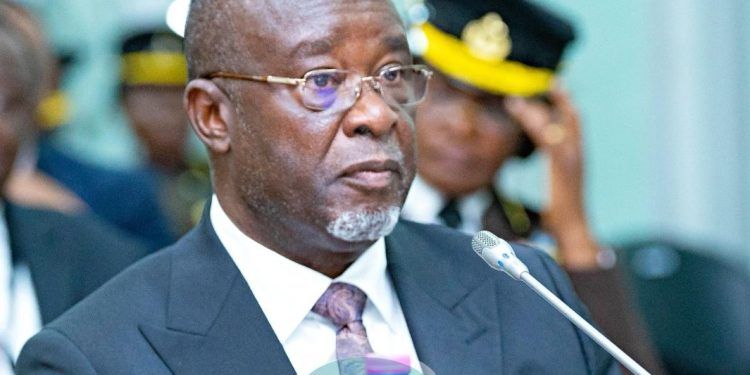
The Member of Parliament for Akwatia has moved to allay concerns raised by the Minority in Parliament about the independence and oversight of Ghana's tribunal system, asserting that the Chief Justice maintains supervisory authority over all tribunals integrated within the Superior Courts.
The remarks come amid growing debate about the structure and accountability mechanisms governing Ghana's tribunal courts, which handle specialised cases across various sectors of the economy and justice system. The Minority had previously expressed worries about potential conflicts of interest and inadequate checks on tribunal operations.
Understanding Ghana's Tribunal Structure
Ghana's tribunal system operates as part of the broader judicial framework, with specialised tribunals handling cases ranging from labour disputes to administrative matters. These tribunals are designed to provide faster, more specialised adjudication than traditional courts, reducing case backlogs in the main court system.
According to the Akwatia MP's position, the integration of these tribunals into the Superior Courts structure means they operate under the same constitutional and judicial oversight mechanisms that govern higher courts. The Chief Justice, as head of the judiciary, exercises supervisory powers over tribunal operations, ensuring adherence to judicial standards and procedural rules.
Why it matters for Ghana
This debate touches on fundamental questions about Ghana's judicial independence and institutional accountability. A robust tribunal system that is both independent and properly supervised is crucial for maintaining public confidence in the judiciary and ensuring fair outcomes in specialised matters affecting businesses, workers, and citizens.
The Minority's concerns likely reflect broader anxieties about potential politicisation of the judiciary or inadequate transparency in tribunal proceedings. For ordinary Ghanaians, particularly those involved in labour disputes or administrative matters, the credibility of tribunals directly affects access to justice.
Proper oversight by the Chief Justice provides a safeguard against arbitrary decision-making, but transparency in how this supervision is exercised remains important. Citizens and civil society organisations have a legitimate interest in understanding how tribunals operate and how their decisions are monitored.
The ongoing conversation
This exchange between the Majority and Minority reflects healthy parliamentary scrutiny of judicial institutions. Both perspectives—ensuring effective tribunal operations whilst maintaining robust oversight—are important for Ghana's democratic health.
The key will be demonstrating in practice that Chief Justice supervision translates to consistent, transparent, and fair tribunal operations. This requires clear communication about tribunal processes, timely publication of decisions, and mechanisms for appeal and redress when parties believe they have been treated unfairly.
As Ghana's economy grows and becomes more complex, the role of specialised tribunals will likely expand. Building and maintaining public confidence in these institutions now will be crucial for their long-term effectiveness and legitimacy.
Source: 3News

Comments (0)
Be the first to comment.