
Catholic Bishops Press Parliament to Fast-Track Anti-LGBTQ+ Bill as Debate Reopens


Ghana's Catholic Bishops' Conference has added its voice to growing pressure on Parliament to expedite work on the Human Sexual Rights and Family Values Bill — commonly referred to as the anti-LGBTQ+ Bill — following the legislature's decision to reopen deliberations on the landmark piece of legislation. The Bishops are calling for a thorough but swift process that weighs the bill's moral, social, cultural and human rights implications for the country.
Where things stand with the Bill
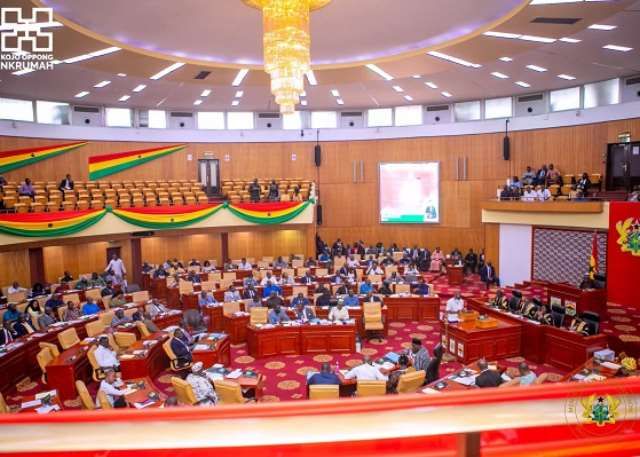
The anti-LGBTQ+ Bill, which seeks to criminalise LGBTQ+ identity and related activities while introducing penalties for advocacy and promotion of such conduct, was first passed by Ghana's Parliament in 2024. However, the legislation stalled before receiving presidential assent, caught up in legal challenges and a change in presidential administration. Parliament has since moved to reopen and revisit the bill, reigniting one of the most hotly contested social and legal debates in recent Ghanaian political history.
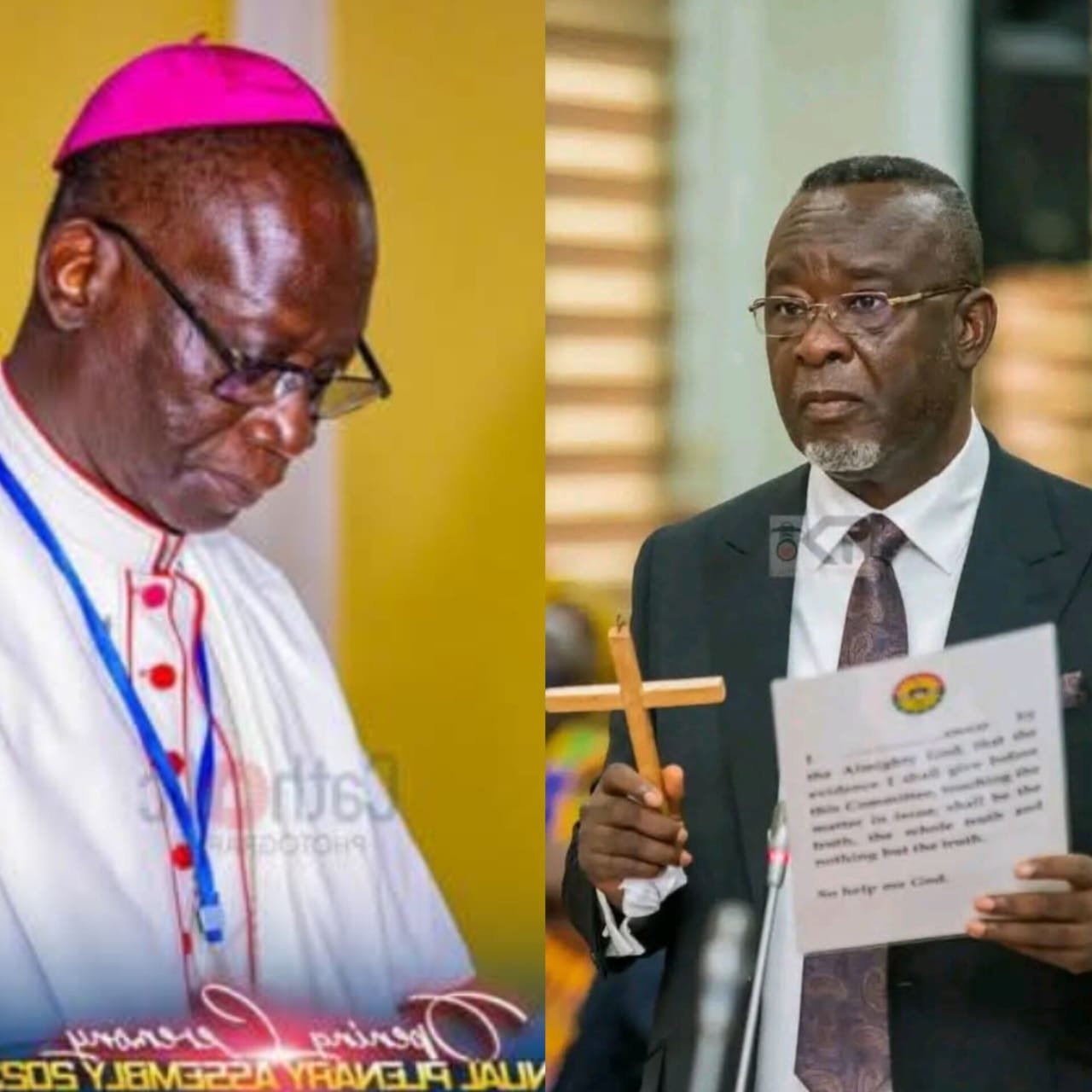
The Catholic Bishops, representing one of the most influential religious institutions in the country, have now weighed in firmly, urging legislators not to let the matter drag. While affirming the need for careful deliberation, they stressed that the bill's moral and cultural significance demands prompt parliamentary attention rather than prolonged delay.
Why it matters for Ghana
The Catholic Church commands a substantial following across Ghana, and pronouncements from the Bishops' Conference carry considerable weight in shaping public opinion and influencing political decision-making. Their call aligns with the position of many traditional and religious leaders who have long argued that the bill reflects Ghanaian cultural and religious values that must be protected in law.
At the same time, the bill remains deeply controversial. International human rights organisations, sections of Ghana's legal community, and donor nations — several of whom provide significant development assistance to Ghana — have raised concerns that the legislation could expose LGBTQ+ individuals to persecution and may conflict with constitutional protections around dignity and equality. The World Bank previously paused a loan to Ghana partly over concerns linked to the bill, underscoring the potential economic diplomacy consequences of its passage.
For Parliament, the challenge is navigating these competing pressures: a domestic religious and cultural consensus largely in favour of the bill, set against international scrutiny and legal questions about its compatibility with Ghana's own constitution. The Supreme Court had previously been petitioned on the matter, adding a judicial dimension to what is already a complex legislative process.
What to watch next
With the Bishops now publicly urging speed, and similar calls expected from other religious and civil society groups, parliamentary leadership will face intensified pressure to set a clear timeline for the bill's progression. Key questions include whether further public hearings will be held, how the human rights concerns raised by critics will be addressed in the bill's final form, and whether the presidency will ultimately assent to the legislation once passed.
- The bill proposes criminalising LGBTQ+ identity and activities in Ghana.
- Ghana's Catholic Bishops want Parliament to handle the reopened bill quickly but carefully.
- International pressure and constitutional questions continue to complicate the bill's passage.
Source: 3News


Comments (0)
Be the first to comment.