
Parliament Pulls Back Anti-LGBTQ+ Bill to Correct Legal Inconsistencies
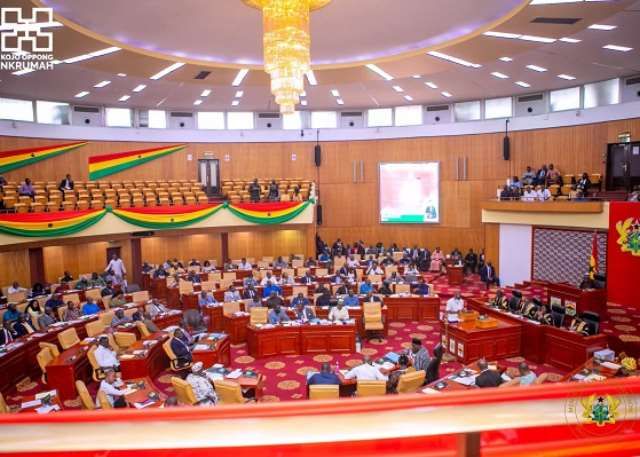

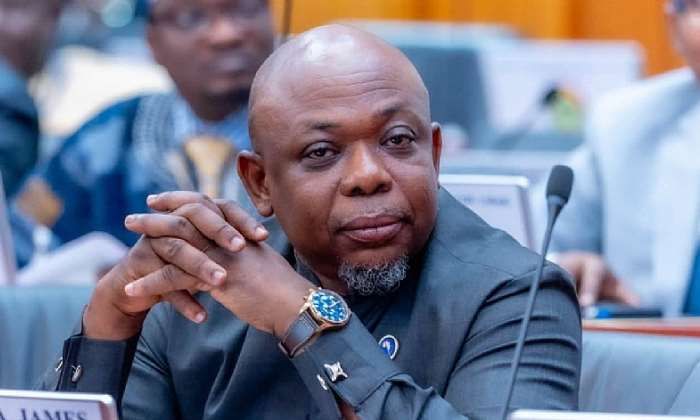
Ghana's Parliament has taken the unusual step of rescinding the passage of the highly controversial Anti-LGBTQ+ Bill, with lawmakers voting to withdraw the legislation temporarily in order to correct identified inconsistencies within the bill's text. The motion was moved by Majority Leader James Agalga on Monday, 10th November 2026, signalling that despite broad parliamentary support for the bill's intent, its drafting requires further attention before it can be properly enacted into law.
What happened on the floor of Parliament
The decision to rescind a bill's passage is a rare procedural move in Ghana's legislature, underscoring the seriousness with which parliamentarians are treating the legal integrity of the legislation. Majority Leader James Agalga led the motion, indicating that the inconsistencies identified could create significant legal challenges if the bill were allowed to proceed to presidential assent in its current form. By pulling it back at this stage, Parliament is essentially reopening the bill for review and correction before it moves further along the legislative process.
The Anti-LGBTQ+ Bill — formally known as the Human Sexual Rights and Ghanaian Family Values Bill — has been one of the most debated pieces of legislation in Ghana's recent history. It seeks to criminalise same-sex relations and activities deemed to promote LGBTQ+ identities, and has drawn both strong domestic support and fierce international criticism since it was first introduced.
Why it matters for Ghana
The bill has sat at the intersection of Ghanaian cultural values, religious convictions, human rights debates and international diplomacy for several years. Many Ghanaians, backed by religious leaders and civil society groups, have strongly supported the legislation as a reflection of the country's moral and family values. On the other side, human rights organisations — both local and international — as well as development partners and foreign governments have raised serious concerns about its implications for the rights and safety of LGBTQ+ individuals in Ghana.
Beyond the social debate, the bill has had economic dimensions. Some of Ghana's key development partners and international financial institutions had signalled discomfort with the legislation, raising questions about whether its passage could affect foreign aid flows or investment at a time when Ghana has been working hard to stabilise its economy. The rescission, while procedural rather than a rejection of the bill itself, gives Parliament an opportunity to tighten the legislation and potentially address some of the legal grey areas that critics had pointed to.
It is important to note that rescinding the passage does not mean the bill has been abandoned or defeated. Rather, it is being sent back so that the specific inconsistencies — which have not been publicly detailed in full — can be corrected. Once those amendments are made, Parliament is expected to pass it again before it proceeds to the President for assent.
What comes next
Attention will now turn to what exactly the identified inconsistencies are, and whether the process of correcting them will open the door for broader amendments or simply address technical drafting errors. Civil society groups on both sides of the debate are likely to watch the revision process closely. Human rights advocates may seek to use this window to push for modifications that soften some of the bill's more sweeping provisions, while supporters will be keen to ensure the original intent of the legislation is preserved in full.
Parliament's handling of the bill from this point will be a significant test of Ghana's legislative institutions, and the outcome will be watched not only domestically but across Africa and by the international community.
Source: 3News


Comments (0)
Be the first to comment.