
Bus Preaching Culture Under Fire: Kwesi Pratt Jr Calls for Balance Between Faith and Passenger Rights
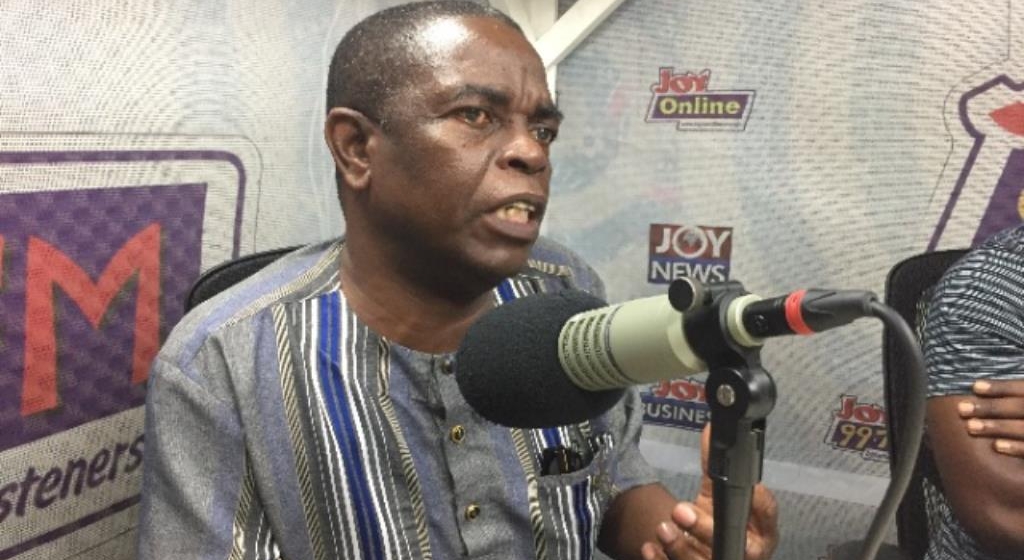
Kwesi Pratt Jr, a prominent Ghanaian journalist, has reignited debate over a long-standing practice in the country's transport sector by challenging the role of preachers who board commercial vehicles to deliver sermons focused on fatal road accidents. Speaking on Metro TV on Wednesday, October 14, Pratt Jr argued that such religious messages contribute unnecessarily to passenger stress during already anxiety-inducing journeys.
The issue has gained fresh prominence as lawmakers consider restricting preaching and hawking activities inside commercial vehicles—a proposal that touches on deeper questions about religious freedom, individual rights, and the boundaries of public spaces in Ghana.
The Practice and Its Impact
Bus preaching remains a ubiquitous feature of Ghana's transport landscape, particularly on long-distance routes. Preachers typically board vehicles without contributing to transport costs and deliver sermons that frequently include graphic descriptions of road accidents, amputations, and fatalities. According to Pratt Jr, these narratives often frame prayer as the sole protective mechanism against such disasters.
For passengers already anxious about road safety—a legitimate concern given Ghana's road accident statistics—these unsolicited messages can amplify stress rather than provide comfort. Pratt Jr highlighted the particular burden on drivers, who must navigate traffic whilst absorbing these alarming prophecies, and on passengers trapped in vehicles for hours with no escape from the messaging.
Religious Freedom vs Individual Rights
Crucially, Pratt Jr framed the debate not as an attack on Christianity or religious expression, but as a matter of constitutional rights. Under Ghana's 1992 Constitution, citizens enjoy freedom of conscience, including the right to choose or reject any religion. Pratt Jr argued that this freedom logically extends to the right to travel without unsolicited religious instruction.
He posed a pertinent question: if commercial vehicles become spaces for unrestricted evangelism, which religious message takes precedence? Ghana is home to Christians, Muslims, traditional religionists, and others. Permitting one group unfettered access to captive audiences whilst denying it to others would itself constitute discrimination.
What This Means for Ghana
This controversy sits at the intersection of three important issues for Ghanaian society: road safety, religious practice, and public civility. Whilst Ghana's churches and mosques play vital roles in national life, the tension Pratt Jr identifies—between preaching rights and passenger dignity—reflects broader questions about shared public spaces in a diverse, increasingly urbanised nation.
The proposed restrictions on bus preaching suggest a growing recognition that commercial vehicles function as essential public infrastructure where passengers from different backgrounds share confined spaces. Protecting such spaces from invasive messaging does not require suppressing religious expression; it simply establishes boundaries appropriate to the context.
Pratt Jr's invocation of the Constitution is particularly significant. Ghana's commitment to individual liberties includes not only the freedom to express religion but equally the freedom from unsolicited religious instruction. These rights need not be in perpetual conflict if clear, reasonable standards are established.
For transport operators, policymakers, and religious communities, the path forward likely involves dialogue that respects faith practices whilst acknowledging that public commercial transport serves diverse passengers with varying beliefs and comfort levels. As Ghana continues developing its transport infrastructure and regulatory frameworks, balancing these competing interests will be essential to creating an environment where all citizens can move through the country safely and with dignity.
Source: MyJoyOnline




Comments (0)
Be the first to comment.