Bole-Bamboi MP Finally Unblocks 14-Year Hospital Housing Crisis with New Funding
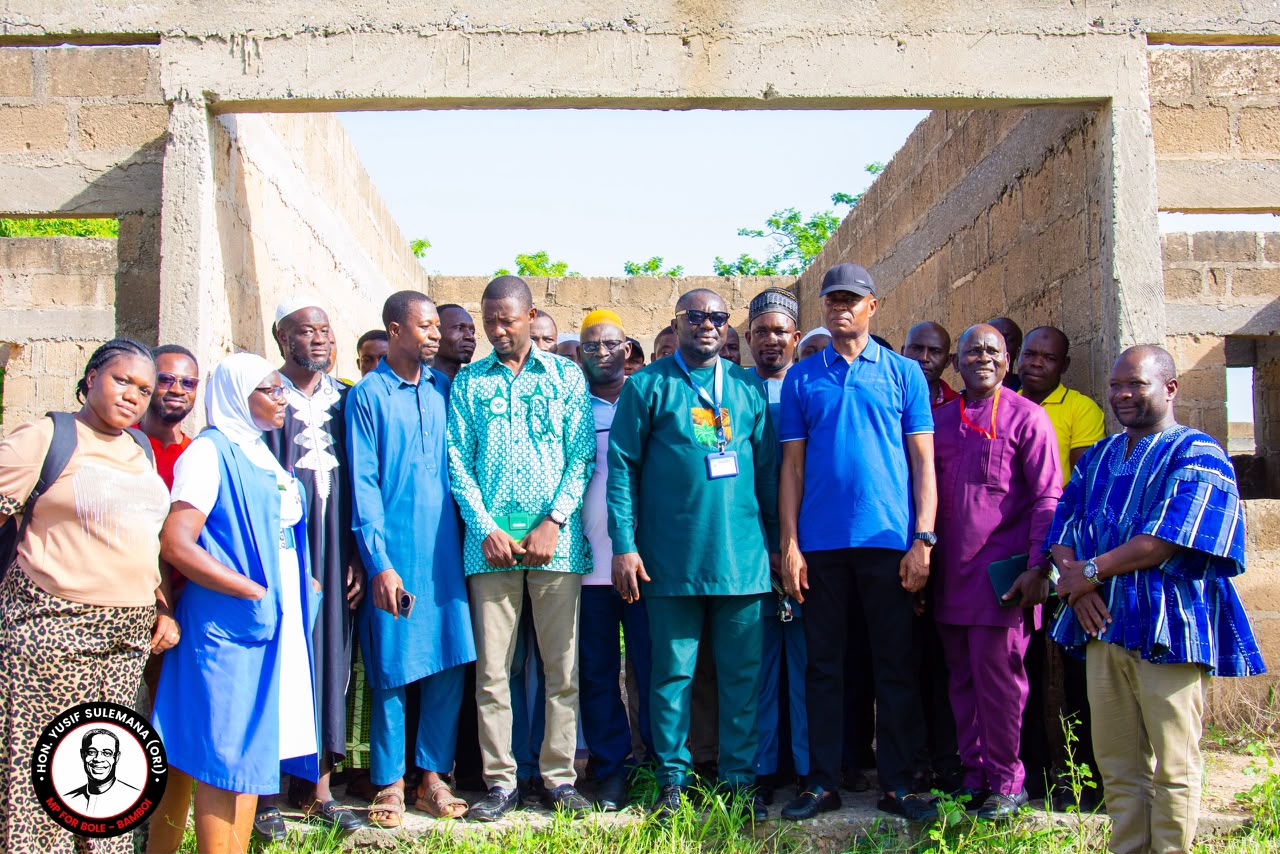
A decade-long healthcare infrastructure bottleneck in Ghana's Bole District is finally being resolved after Dr Yusif Sulemana, the Member of Parliament for Bole-Bamboi and Deputy Minister for Lands and Natural Resources, secured funding to complete an abandoned staff quarters project at Bole District Hospital.
The 20-unit accommodation facility, which was initially started in 2012 using the hospital's internally generated funds, had remained incomplete since construction stalled midway due to lack of resources. Hospital management subsequently reached out to Dr Sulemana in May this year, highlighting the critical shortage of staff housing as a major obstacle to attracting and retaining healthcare professionals in the district.
Following the appeal, the Deputy Minister committed to resolving the matter and has now engaged a contractor to complete the project. Construction work has already commenced, with the MP emphasising that the intervention aligns with his broader agenda to strengthen healthcare infrastructure across the Bole-Bamboi constituency.
Why it matters for Ghana
Staff accommodation remains a persistent challenge in Ghana's healthcare system, particularly in rural and remote districts. Poor housing facilities have historically deterred qualified healthcare workers from taking up postings outside urban centres, contributing to uneven distribution of medical expertise across the country. The Bole District experience reflects a national pattern: many public health facilities struggle with staff retention because workers lack adequate living quarters, forcing them to commute long distances or seek transfers to areas with better amenities.
By unblocking this 14-year stalled project, the government signals recognition of this systemic issue. When healthcare workers have secure, comfortable accommodation, they are more likely to remain in their postings, improve patient care consistency, and mentor junior staff. The completion of Bole District Hospital's staff quarters could therefore serve as a practical model for addressing similar challenges elsewhere in Ghana's health sector.
Additionally, the project demonstrates how coordination between local leadership and central government can unlock stalled community infrastructure. Many abandoned projects nationwide remain trapped in bureaucratic limbo or lack the political will to restart them; this intervention shows that persistent advocacy from both local and national representatives can yield results.
What comes next
The focus now shifts to ensuring the contractor completes the work on schedule and to the required standard. Once finished, the facility should meaningfully improve staff welfare at Bole District Hospital and create conditions for better healthcare delivery in the district. The project's success will also be closely watched as a potential template for addressing similar accommodation deficits in other healthcare facilities across Ghana's regions.
Local communities and health sector stakeholders will be keen to see whether the completion of this project translates into measurable improvements in doctor and nurse availability, reduced staff turnover, and enhanced patient services at the district hospital.
Source: MyJoyOnline




Comments (0)
Be the first to comment.