STEM Education Must Reach Beyond Elite Schools, Says Apaak at 2026 GSTEP Awards

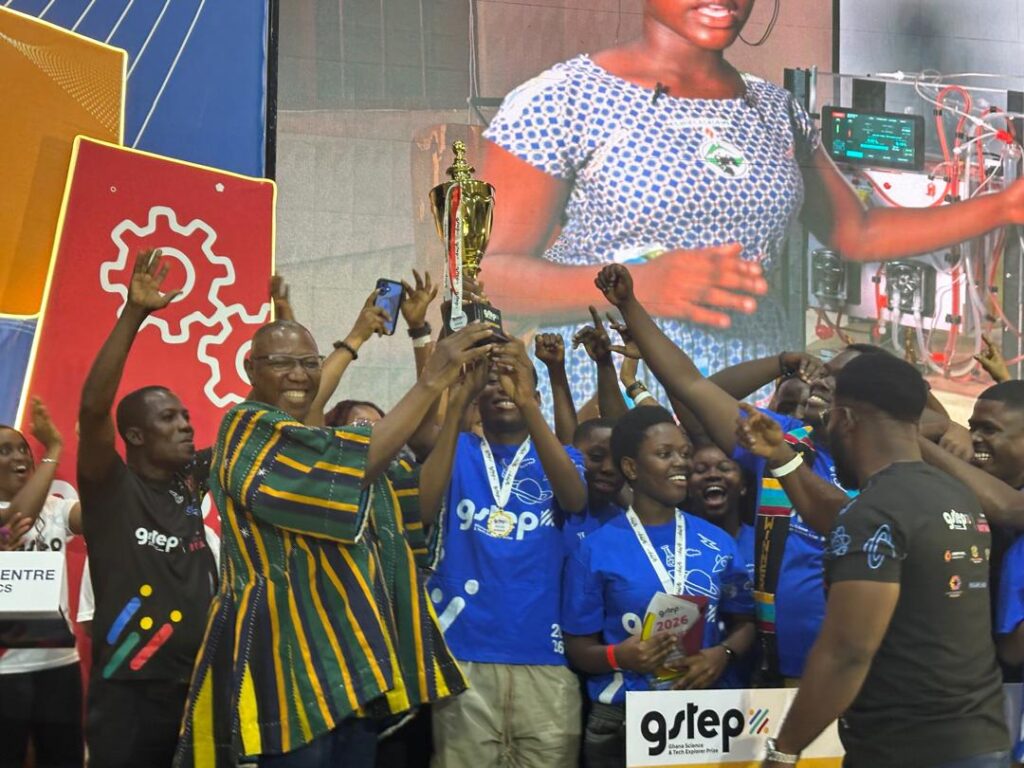
Dr. Clement Apaak has reiterated the need to democratise access to Science, Technology, Engineering and Mathematics (STEM) education across Ghana's school system, warning that current opportunities remain concentrated in a select few institutions. Speaking at the 2026 GSTEP Awards, he stressed that the impressive innovations displayed by young Ghanaians must serve as a catalyst for systemic change in how the nation invests in technical education.
The Case for Broader STEM Investment
The projects showcased at the awards event underscored the remarkable talent and creativity present among Ghana's youth. Dr. Apaak used this platform to highlight a critical gap: whilst some schools have access to modern laboratories, competitive programmes and mentorship networks, many others lack even basic resources. This disparity, he argued, means Ghana is losing talented minds simply because of geography or school choice at admission.
The call for inclusive STEM education is not merely about fairness. Ghana's development agenda—particularly in sectors like renewable energy, digital innovation, agriculture technology and manufacturing—depends on a broad pool of trained technical professionals. When opportunities are limited to elite or well-resourced schools, the nation effectively narrows the talent pipeline it can draw from.
Why It Matters for Ghana
Ghana's economy increasingly depends on skilled workers in STEM fields. The government has made digital transformation and technological advancement core pillars of its development strategy, yet the education system remains unequally distributed. Rural and deprived urban communities often lack qualified STEM teachers, modern equipment and exposure to science competitions that motivate and identify talent.
Dr. Apaak's intervention reflects a growing recognition that Ghana cannot afford to waste potential. When a brilliant mathematician or engineer in a remote district never gets exposure to quality STEM education, it represents a loss not just to that individual but to national innovation and competitiveness. The 2026 GSTEP Awards themselves—showcasing student-led projects—demonstrate what is possible when young people are given platforms and resources. Scaling this requires deliberate policy action to ensure all schools, not just flagship institutions, have access to STEM curricula, teachers and facilities.
There are also economic implications. Countries that have successfully broadened STEM education have seen corresponding improvements in employment outcomes for young people and increased domestic innovation. For Ghana, investing uniformly in STEM is an investment in reducing youth unemployment and building a knowledge-based economy.
The Road Ahead
Dr. Apaak's remarks point to several practical areas for intervention: teacher training and deployment in underserved areas, curriculum standardisation across all schools, funding for laboratory equipment and materials, and the creation of competitive platforms like GSTEP that are accessible to students nationwide, not just those in major urban centres.
The challenge now is translating these calls into action. While awards ceremonies celebrate excellence, sustainable change requires budgetary commitment, policy reform and long-term coordination between the Ministry of Education, schools and the private sector. Ghana's young innovators have shown the potential; the question is whether the system will be restructured to unlock it equitably.
Source: 3News



Comments (0)
Be the first to comment.