Ghana must unlock young talent through STEM investment, Deputy Education Minister urges
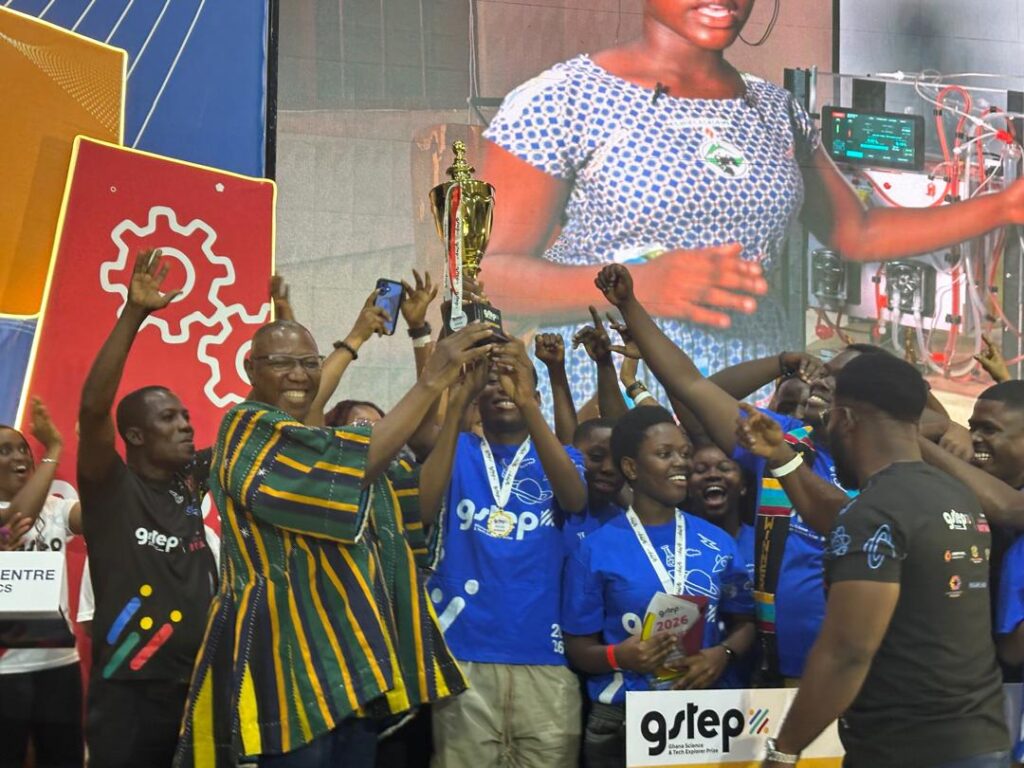
Ghana's Deputy Minister for Education has issued a clarion call for the nation to dramatically increase investment in young innovators, warning that untapped scientific talent across the country risks being lost without proper support and opportunity.
Speaking at the 2026 Ghana Science and Technology Explorer Prize (GSTEP) Exhibition and Awards Ceremony at the University of Ghana, Legon, Dr. Clement Abas Apaak emphasised that Ghanaian students already possess the creativity and problem-solving abilities to tackle pressing national challenges—from healthcare improvements to agricultural productivity and environmental solutions—but are being held back by lack of resources and exposure.
"Talent exists everywhere, and opportunity must do the same," Dr. Apaak stated, highlighting a critical gap in Ghana's current approach to nurturing innovation. He argued that concentrating STEM support in a handful of elite schools and affluent regions squanders the nation's potential and deepens inequality.
What young innovators need to thrive
The Deputy Minister identified four critical pillars for unlocking youth innovation: opportunity, exposure, mentorship, and access to resources. These are not luxuries, he argued, but essential infrastructure for developing Ghana's next generation of problem-solvers and entrepreneurs.
The projects showcased at the GSTEP awards demonstrated precisely why this investment matters. Student innovations on display had direct applications to real-world challenges facing Ghanaian communities—a powerful reminder that solving local problems need not wait for foreign solutions or expertise.
Dr. Apaak stressed that the government remains committed to expanding STEM-focused senior high schools nationwide whilst integrating modern technical skills including coding, robotics, digital literacy and artificial intelligence into the standard curriculum. These additions are essential, he noted, to prepare students for employment in a rapidly evolving global economy where technological competence is non-negotiable.
Why it matters for Ghana's future
Ghana faces a paradox: the nation has ambitious development goals across healthcare, agriculture, energy and infrastructure, yet many young people lack pathways into STEM fields where they could drive solutions. Brain drain—particularly of educated youth to diaspora destinations—compounds this challenge.
Strengthening STEM education and innovation ecosystems at home serves multiple national interests. It creates high-skill employment opportunities that can compete with overseas opportunities, it generates locally-driven solutions tailored to Ghana's specific challenges, and it builds technological self-reliance rather than perpetual dependence on imported expertise and products.
The Deputy Minister's emphasis on resilience and learning from failure is equally important. Ghana's education culture sometimes penalises mistakes heavily; cultivating an innovation mindset requires reframing failure as a necessary step in discovery. This cultural shift, combined with tangible investment in infrastructure and mentorship, could unlock significant economic and social returns.
Government commitments and the path forward
Beyond rhetorical support, the Ministry of Education has pledged to improve STEM infrastructure in schools, make curricula more practical and hands-on rather than purely theoretical, and provide professional development for teachers so they can effectively guide student innovation.
Dr. Apaak's message to the young innovators themselves was equally direct: remain curious, challenge assumptions, experiment fearlessly, and do not fear failure. This kind of encouragement from senior government officials helps legitimise risk-taking and creative thinking in an educational environment that traditionally rewards conformity.
The stakes could not be higher. Ghana's ability to compete regionally and globally, to create quality jobs for its youth, and to solve its own development challenges hinges on whether the nation can successfully translate the evident talent and creativity of students like those at GSTEP into sustained innovation and economic growth.
Source: MyJoyOnline


Comments (0)
Be the first to comment.