
Big Ghun and Betfox Ghana Launch Helmet Drive in Ashaiman to Save Lives on Ghana's Roads


A major motorcycle safety initiative has taken off in Ashaiman, one of Ghana's most densely populated urban communities, as creative personality Big Ghun joins forces with Betfox Ghana to tackle the country's persistent road fatality crisis. The campaign, which aims to distribute more than 3,000 helmets to motorcyclists, signals a growing recognition that grassroots interventions — not just legislation — are needed to bring down the alarming number of deaths on Ghanaian roads.
What the campaign involves
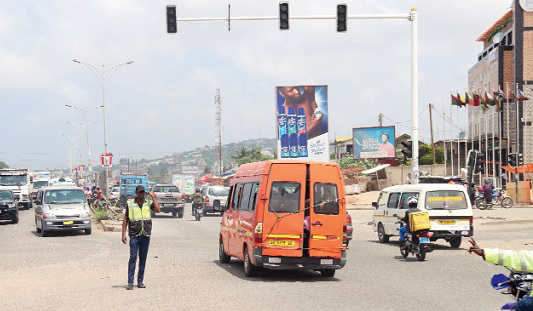
The initiative was launched in Ashaiman, a bustling district in the Greater Accra Region known for its heavy reliance on motorcycles and okada riders for daily commuting. By putting helmets directly in the hands of riders who may otherwise go without, the organisers are targeting one of the most straightforward yet persistently neglected aspects of road safety in Ghana.
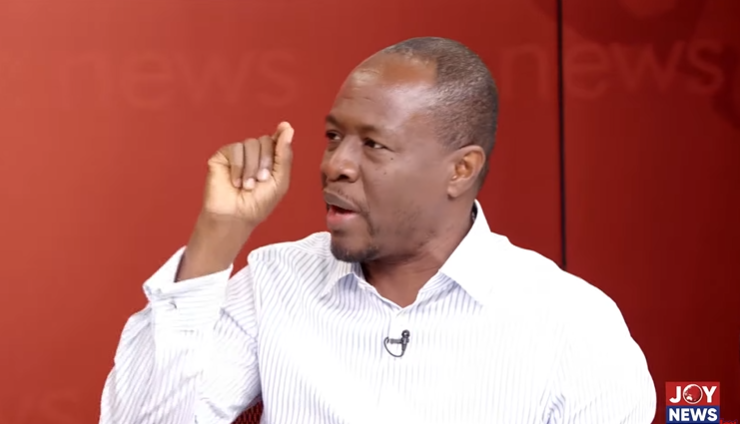
Big Ghun, who has used his public profile to champion various social causes, is lending visibility to the campaign, while Betfox Ghana provides critical financial and logistical backing. The partnership between a cultural figure and a corporate sponsor reflects an emerging model of road safety advocacy in Ghana — one that blends entertainment influence with private sector responsibility to reach communities that government messaging alone has struggled to penetrate.
The campaign is described as nationwide in scope, meaning Ashaiman represents only the starting point. If the initiative follows through on that ambition, it could reach motorcyclists in regional capitals and rural areas where helmet use remains particularly low and emergency medical response is weakest.
Why it matters for Ghana
Road traffic accidents remain one of Ghana's most serious public health challenges. The country consistently records thousands of road crash deaths each year, with motorcycles involved in a significant proportion of fatal and serious injury cases. Riders are among the most vulnerable road users, as they lack the physical protection that enclosed vehicles offer, making helmet use not merely advisable but potentially life-saving.
Despite existing laws requiring motorcyclists to wear helmets, enforcement has been uneven across the country. Many riders — particularly those operating commercially in peri-urban and rural communities — either cannot afford helmets or choose to forego them due to limited awareness of the risks. Initiatives like this one attempt to remove the financial barrier entirely, placing protective equipment directly into the hands of those who need it most.
Ashaiman's selection as the launch site is also telling. The area is home to a large working-class population and sees significant motorcycle traffic daily, making it a logical and high-impact starting point for a campaign of this nature. Successfully changing behaviour here could serve as a model for similar interventions elsewhere in Ghana.
The bigger picture
Ghana's National Road Safety Authority has long called for greater private sector and civil society involvement in road safety campaigns, arguing that government action alone is insufficient to shift deeply ingrained behaviours. Campaigns that come through trusted community voices and popular personalities tend to resonate more effectively with target audiences than formal public service announcements.
- Motorcycle riders are among the most at-risk groups in Ghana's road accident statistics, often lacking basic protective gear.
- Helmet distribution removes the cost barrier that prevents many riders from complying with road safety regulations.
- Corporate and celebrity-backed safety drives are increasingly filling gaps left by under-resourced public institutions.
As the campaign rolls out beyond Ashaiman, its impact will depend on sustained follow-through, community engagement, and whether it can inspire lasting behaviour change rather than a one-off distribution exercise. For now, it represents a welcome and tangible step towards saving lives on Ghana's roads.
Source: 3News


Comments (0)
Be the first to comment.