Beyond the parade: What Founder's Day should really mean for modern Ghana
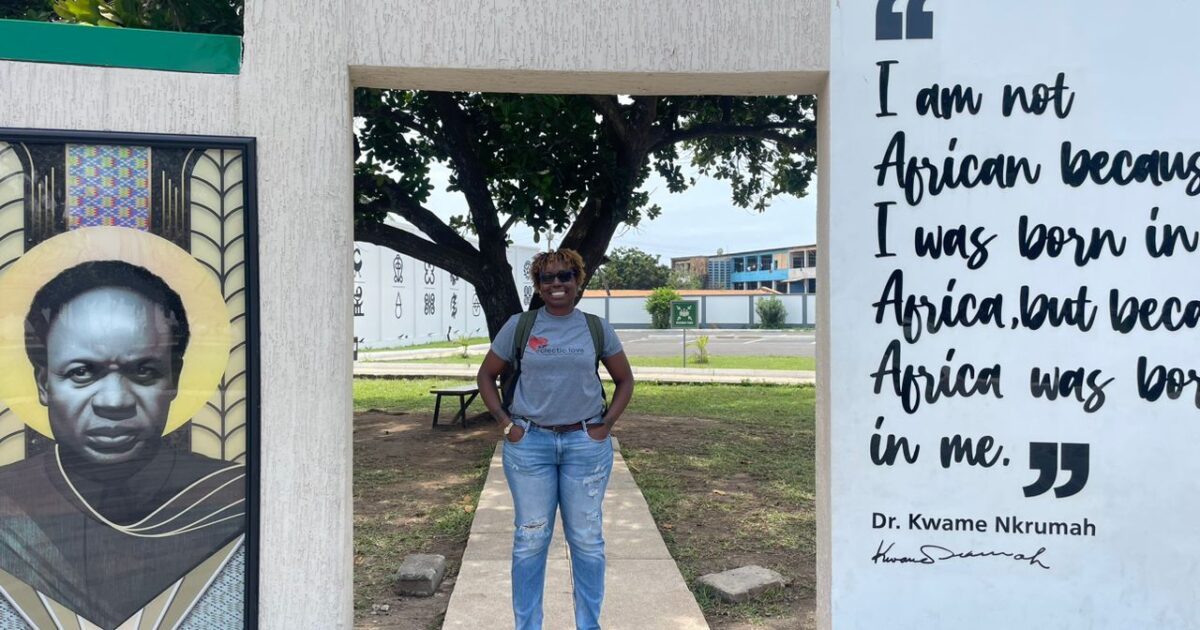
Ghana today observes Founder's Day with flags, speeches, and commemorations of Osagyefo Dr. Kwame Nkrumah's legacy. But beneath the celebrations lies a pressing question: are Ghanaians genuinely advancing on the vision of independence, or have we become comfortable merely honouring it?
The rituals are familiar—photographs posted on social media, patriotic clothes worn, stirring words about freedom repeated. Yet between these ceremonial gestures and real progress sits an uncomfortable gap. Nkrumah's declaration that Ghana would face "neither East nor West" but forward remains one of the nation's most powerful statements. Sixty-plus years later, that challenge demands honest reflection about what "forward" actually means and whether the country is genuinely moving in that direction.
The dependency trap: Independence on paper only
Political independence in 1957 was a monumental achievement, but Nkrumah understood that freedom required more than flag and anthem. It demanded economic self-determination, technological capability, and the power to define one's own development path. Today, Ghana faces a paradox: we export raw materials and import finished goods made from those same resources. We depend on foreign technology, foreign capital, and increasingly, foreign entities controlling platforms and data that will shape the next generation.
This is not an argument for isolationism. International partnerships bring genuine value. But there is a critical difference between partnership and dependency. When external funders gain the authority to dictate what communities need or how development should proceed, something fundamental shifts. Financial contribution should not become intellectual authority, and generosity should never quietly transform into ownership.
Youth, opportunity, and real inclusion
Ghana's youngest population is often cited as a demographic advantage, but youth alone is not an achievement. Without quality education, meaningful employment, capital access, and genuine pathways to ownership and leadership, a young population becomes frustrated rather than empowered.
The contradiction is stark: national leaders repeatedly tell young Ghanaians they are "the leaders of tomorrow" whilst excluding them from decision-making today. If this claim is sincere, government budgets, institutions, schools, businesses, and national priorities must reflect it.
Recent efforts—including the National Coders Programme, National Apprenticeship Programme, Adwumawura, and the Ghana National Research Fund investments—represent meaningful steps. The 2026 Budget's allocation to digital skills, apprenticeship, and research signals recognition that technical education is not optional. Yet these programmes alone cannot carry the weight of transformation; sustained, cross-sector commitment is essential.
What true progress requires
Moving forward, as Nkrumah intended, requires courage and honesty. It means Ghanaians must be willing to question the systems inherited and the ones being built. It means demanding that institutions work. It means businesses, civil society, and government acknowledging their own role in the problems they identify.
Loving Ghana does not mean pretending everything works. It means committing to ask difficult questions about who holds economic power, who controls knowledge-creation, and whether ordinary Ghanaians have real agency in shaping their futures. It means insisting that development be defined locally, led locally, and owned locally.
Founder's Day, then, is not merely a day to rest or celebrate. It is an invitation to measure honestly whether Ghana is genuinely moving forward toward the vision of a self-determining, innovative, prosperous nation—or whether we are content with the appearance of progress while the substance slips away. The answer to that question will shape what independence means for the next generation.
Source: MyJoyOnline
-1200x675.webp)


Comments (0)
Be the first to comment.