
Beyond Nkrumah: Why Ghana's Redesigned Banknotes Must Honour the Full Big Six


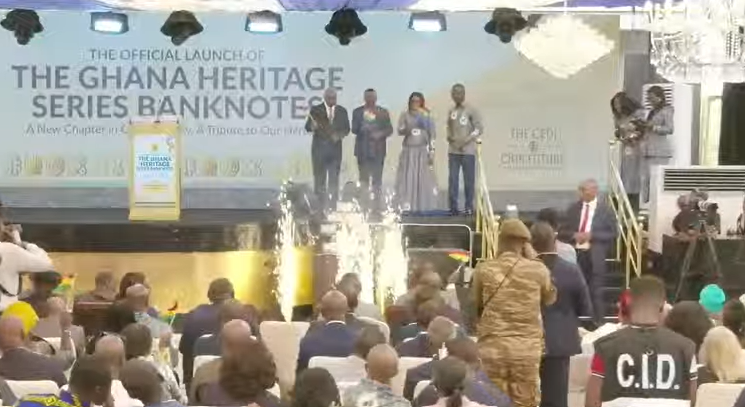
When the Bank of Ghana unveiled its redesigned banknotes, most of the conversation centred on the new look, the security features, and the face of J.B. Danquah — or rather, the absence of it. But the deeper issue runs far beyond any single historical figure. Five of Ghana's celebrated Big Six independence heroes have been quietly erased from the country's currency, leaving Dr Kwame Nkrumah as the sole representative of that pivotal founding generation. For many Ghanaians, that omission is not merely a design choice — it is a statement about whose history we choose to tell.
The Big Six and what they represent
The Big Six were the nationalist leaders arrested by British colonial authorities on 12 March 1948, following the Christiansborg Castle shootings and the subsequent riots that shook the Gold Coast. The six men — Kwame Nkrumah, J.B. Danquah, Ebenezer Ako Adjei, Edward Akufo-Addo, William Ofori Atta, and Emmanuel Obetsebi-Lamptey — were detained at Nsawam Prison in a bid by the colonial government to suppress the growing independence movement. Far from silencing them, their arrest galvanised public opinion and accelerated the march toward self-rule. Ghana eventually gained independence on 6 March 1957, and the Big Six are remembered collectively as symbols of that hard-won freedom. Monuments, streets, and institutions across the country bear their names. Their faces once appeared on the cedi, connecting everyday commerce to national memory.
Why it matters for Ghana
Currency is never just money. Banknotes are among the most widely circulated artefacts of national identity — handled by farmers in the Northern Region, market traders in Kumasi, and schoolchildren in Accra alike. The figures printed on them carry an implicit message about who belongs to the national story. When five of the six men credited with triggering Ghana's independence journey are removed from that story, it risks reducing a collective struggle to a single personality. This concern is especially pointed given Ghana's long-standing political divide: Nkrumah is historically associated with the NDC tradition, while Danquah is a patron figure of the NPP lineage. Allowing only one founding father to remain on the currency — regardless of which one — feeds perceptions that history is being curated along partisan lines rather than national ones. Ghana's currency has the potential to be a unifying educational tool, reminding citizens of a shared heritage that predates today's political parties.
What should change
The calls for a more inclusive approach to the redesigned notes are straightforward: restore the faces of all six founding fathers, or at minimum ensure that the currency reflects a broad and representative sweep of Ghanaian history. There is no shortage of worthy figures. Ghana's past is rich with pioneers — from independence heroes and pan-Africanist thinkers to traditional rulers, women leaders, and unsung contributors to national development. A thoughtfully curated set of banknotes could serve as a moving portrait of Ghanaian civilisation. The Bank of Ghana and the government have an opportunity, before the new notes enter full circulation, to revisit the selection criteria and subject them to wider public consultation. Currency redesigns are rare; the decisions made now will shape how Ghanaians see themselves — and how the world sees Ghana — for decades to come. History, once removed from public view, has a way of becoming history forgotten.
Source: 3News

Comments (0)
Be the first to comment.