
How a 1948 Student Strike at Mfantsipim Gave Birth to Ghana National College

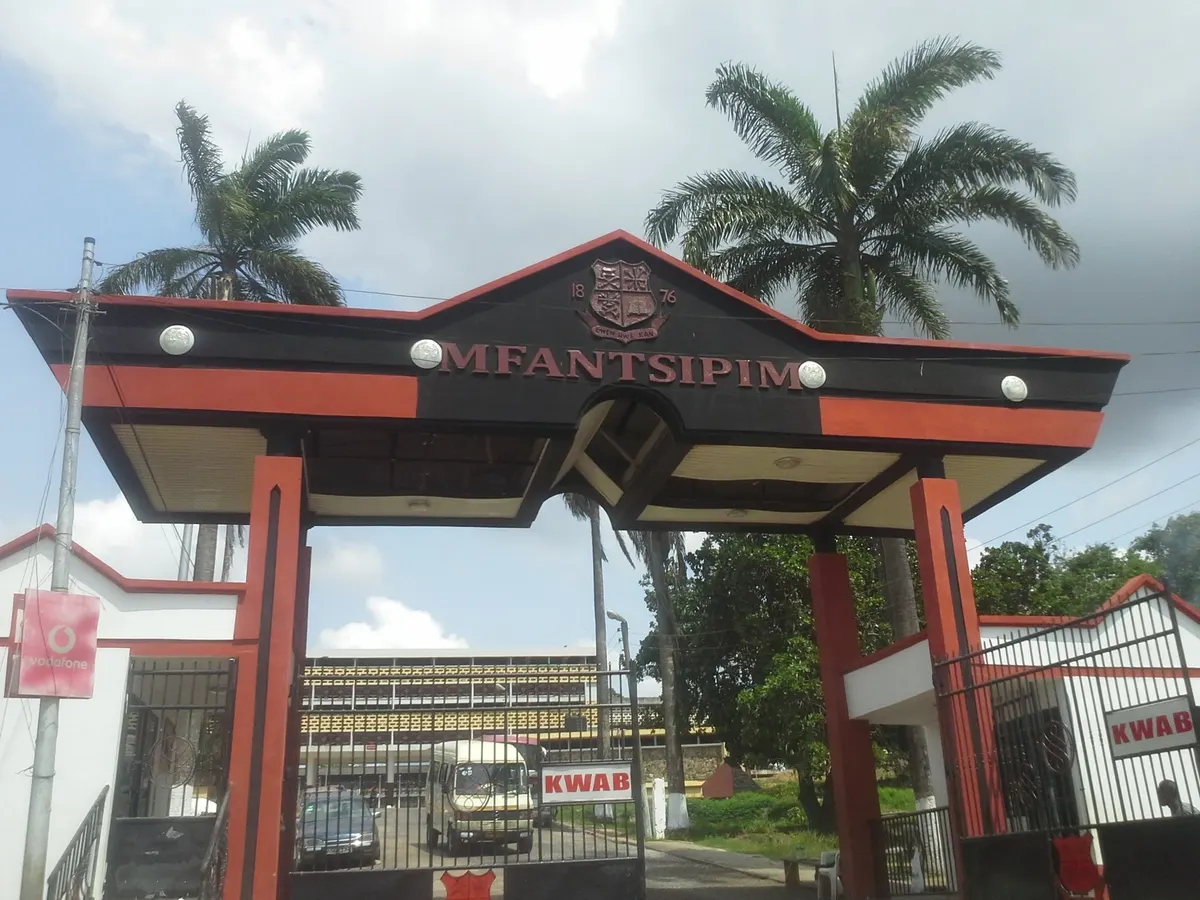
As Mfantsipim School marks its 150th anniversary, a remarkable chapter of Ghanaian history deserves fresh attention — the moment in March 1948 when students and teachers from Cape Coast's leading schools stood up to British colonial authority, paid dearly for it, and in doing so, helped give birth to one of Ghana's most symbolically significant institutions: Ghana National College.
The spark: Nkrumah's arrest and a Mfantsipim man's quick thinking
The events unfolded in the turbulent days following the Christiansborg Crossroads Shootings of 28th February, 1948, when British-led police fired on a peaceful march by ex-servicemen demanding unpaid war allowances, killing several. Governor Gerald Creasy responded with a sweeping crackdown, ordering the arrest of five of the Big Six leaders of the United Gold Coast Convention — J.B. Danquah, Ako Adjei, Edward Akufo-Addo, William Ofori Atta and Emmanuel Obetsebi Lamptey.
The sixth UGCC leader, Kwame Nkrumah, had narrowly avoided immediate arrest. His colleagues had sent him to Saltpond to secure the UGCC's offices and documents. After completing that task, Nkrumah went into hiding in Cape Coast, and it took colonial police nearly two weeks to track him down. He was eventually arrested on 12th March, 1948, under a Removal Order signed by Governor Creasy.
Present at the moment of arrest was Nkrumah's private secretary, Saki Scheck — himself an old boy of Mfantsipim School. Rather than standing aside, Scheck acted with urgency. He encountered Mfantsipim students in Cape Coast shortly after Nkrumah was taken away, told them what had happened, and persuaded them to return to campus with him to alert the wider student body.
A student rebellion across three schools
At Mfantsipim, Scheck addressed a student gathering, urging the boys to boycott classes and to draw up a petition demanding the immediate release of the Big Six from colonial detention. The students responded. A formal petition was written and Mfantsipim became, in the words of those who were there, the nerve centre of what would become a broader school strike.
Scheck did not stop at Mfantsipim. He took the same message to St. Augustine's College and Adisadel College, the other prominent boys' schools in Cape Coast. By 13th March, 1948 — the day after Nkrumah's arrest — students and some staff from all three schools had downed tools in a coordinated political strike. The action lasted until 20th March.
The colonial administration responded harshly. All three schools were shut down. A formal conference was convened to investigate the strike and make recommendations. When the dust settled, approximately 150 students had been expelled. Four teachers also lost their posts, among them Henry Werner Aryee Kofi Sackeyfio of Mfantsipim School.
Why it matters: a school born from defiance
The expulsions left scores of young men without a school to return to. Kwame Nkrumah, once released from detention, did not let that injustice stand. On 16th July, 1948, he founded Ghana National College in Cape Coast specifically to receive the dismissed students and their teachers — turning an act of colonial punishment into a lasting institution.
The significance of that name should not be understated. Ghana National College bore the name Ghana almost nine years before the Gold Coast officially became Ghana upon independence in March 1957. It was a deliberate, defiant act of naming — an assertion that a free African nation was not a distant dream but an imminent reality.
Today, Ghana National College stands as one of the clearest living connections between the nationalist movement and secondary education in Ghana. Its founding was not the result of government planning or missionary sponsorship — it was born directly from student sacrifice and political courage.
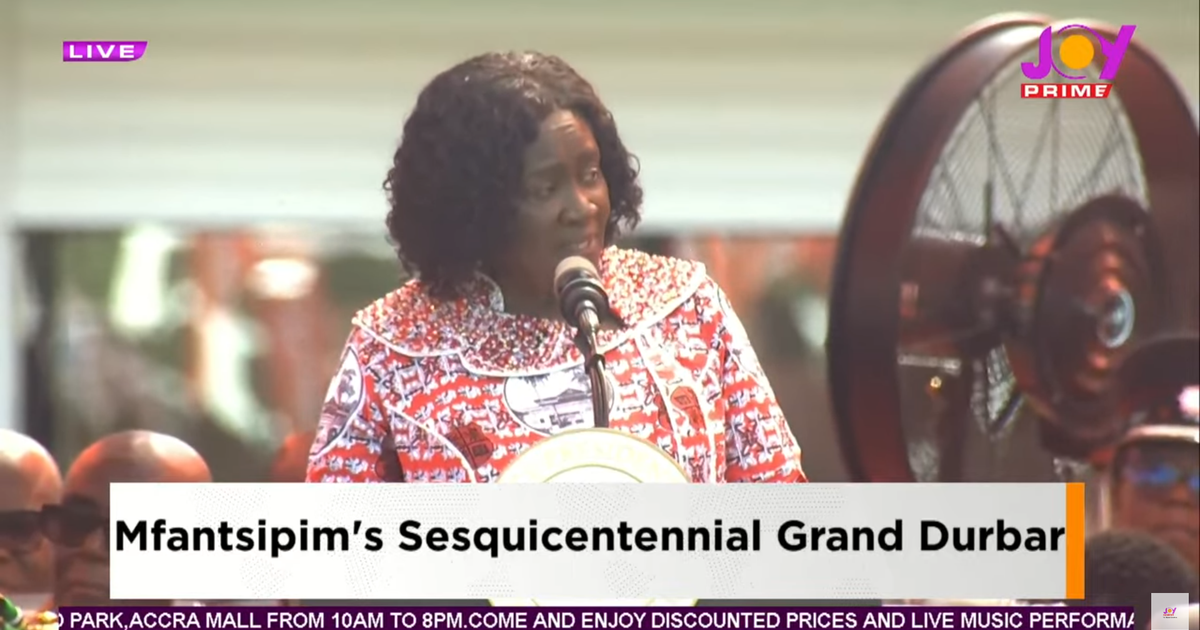
Mfantsipim School, now marking a century and a half of existence, can rightly claim a place in that story. It was the institution whose students first heeded the call in March 1948, and whose collective defiance helped set in motion a chain of events that added a permanent institution to Ghana's educational and nationalist heritage.
This article draws on a piece written by Egbert Faibille Jnr, former President of the Ghana National College Old Students Association, on the occasion of Mfantsipim School's 150th anniversary.
Source: MyJoyOnline



Comments (0)
Be the first to comment.