Beyond Faith: Why Ghana's 2028 Election Must Focus on Competence, Not Religion
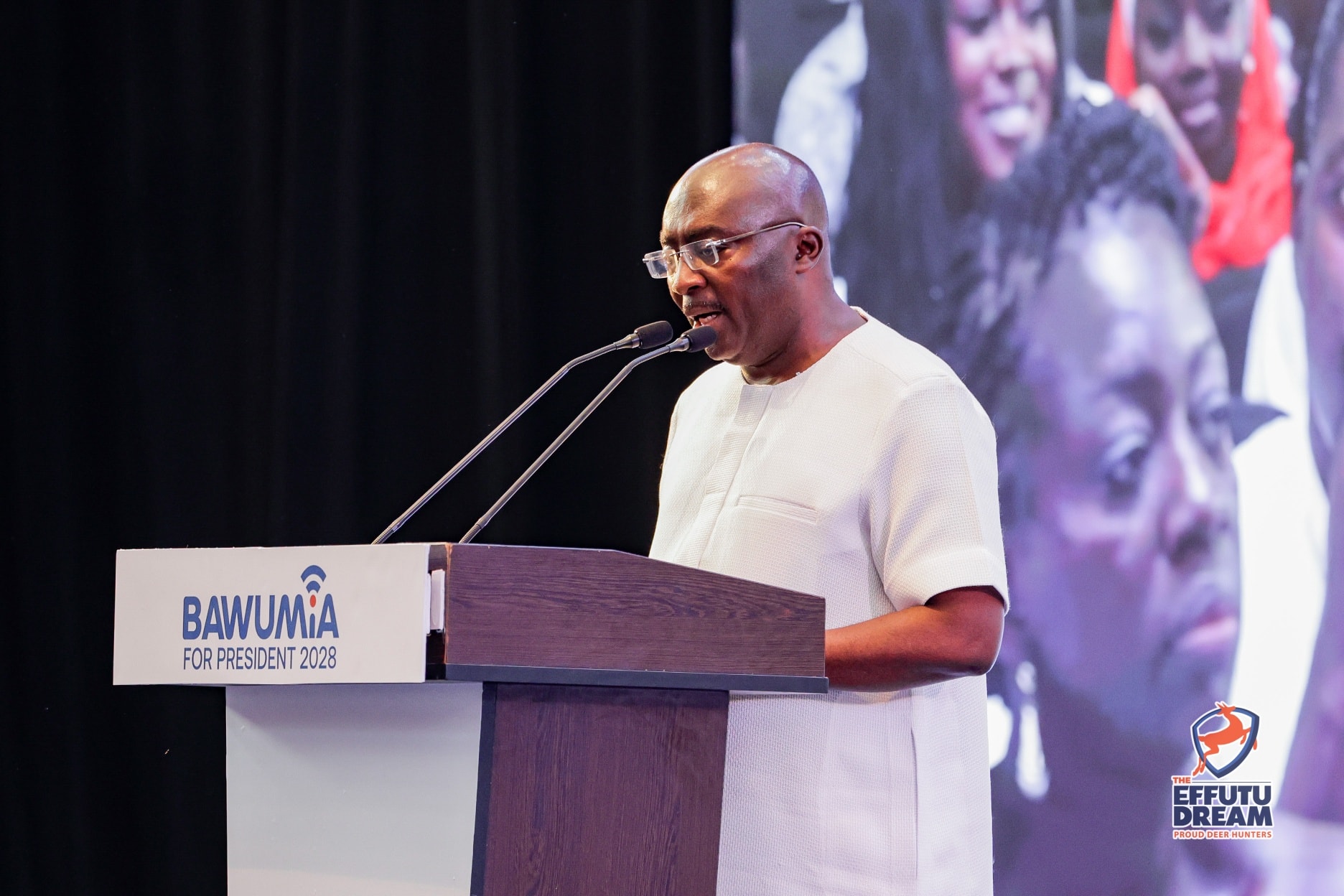
Ghana's electoral landscape is at a crossroads as religious sentiment increasingly colours discussions about the 2028 presidential race. As the New Patriotic Party (NPP) prepares to field Dr Alhaji Mahamudu Bawumia as its flagbearer, a timely debate has emerged about whether Ghanaians should evaluate their leaders through the lens of faith or through demonstrated ability to govern.
The argument is straightforward but profoundly important: Ghana's constitution guarantees freedom of worship, and the nation belongs equally to Christians, Muslims, traditionalists and citizens of all beliefs. Yet some voices have suggested that a Muslim president would threaten Christian interests or upset Ghana's religious balance. This framing, advocates argue, fundamentally misunderstands both the nature of secular governance and the historical lessons available to faith communities themselves.
The Biblical Case for Secular Leadership Standards
Religious leaders and thinkers have drawn an instructive parallel from Christian scripture. The story of Cyrus in the Book of Isaiah presents a non-believer—a Persian king who was neither Israelite nor Jewish—whom God used to facilitate the rebuilding of Jerusalem and the Temple after exile. The theological principle is clear: divine purpose is not constrained by the religious identity of those chosen to serve it.
For Christian voters, this narrative suggests a caution against assuming that religious affiliation automatically qualifies or disqualifies a leader. If God worked through Cyrus, the reasoning goes, Ghanaians should evaluate candidates on merit rather than assuming religious identity determines fitness for office. This does not claim that any particular candidate is a modern Cyrus; rather, it challenges the assumption that religious difference is itself disqualifying.
Beyond this theological argument, Christian teachings on humility, restraint and soft answers to conflict offer principles applicable to any leader. Proverbs 15:1 and other biblical passages emphasise virtues like composure under pressure and humble demeanour—qualities voters should demand from all candidates regardless of faith.
What This Means for Ghana's Leadership Debate
The practical question for Ghanaians should centre on demonstrable qualifications. Dr Bawumia's supporters point to concrete credentials: formal training as an economist, academic credentials, banking experience including a role as Deputy Governor of the Bank of Ghana, and direct involvement in major national digitalisation projects. These achievements are subject to public evaluation and factual debate.
Similarly, his track record of engaging across religious communities—attending Christian services at multiple denominations, speaking publicly about religious tolerance, and maintaining restraint in political discourse—provides evidence of his capacity to work within a multi-faith society. His demeanour in public life, characterised by measured responses rather than inflammatory rhetoric, offers another metric for assessment.
The broader principle applies to every candidate: Ghanaians should compare records, policies, visions and character based on observable facts rather than religious affiliation. Elections are won or lost on the basis of who can deliver better governance, economic management, security and vision—not on who shares voters' faith.
The Responsibility of Religious Leaders and Citizens
Ghana's churches, mosques and traditional religious institutions have played a crucial role in maintaining the nation's reputation for religious tolerance relative to other African and global contexts. That peace is fragile if religious leaders use their platforms to stoke fear about political outcomes based on faith.
Clergy members are entitled to political opinions and to engage in electoral discourse. However, there is a categorical difference between supporting a candidate's policies and suggesting that citizens of a particular faith are inherently unfit to lead. The former is legitimate politics; the latter is religious division dressed as political commentary.
Ordinary Ghanaians, too, bear responsibility for resisting narratives that collapse religious identity into political fitness. Social media, family conversations and community discourse all shape the tone of elections. When citizens model issue-based rather than faith-based evaluation, they create permission for others to do likewise.
Ghana's democracy strengthens when elections turn on substantive questions: Which candidate has the best economic plan? Whose vision for infrastructure development is most credible? Who has demonstrated the ability to work across divides? These are the conversations that produce accountable leadership and peaceful transitions of power.
As Ghana moves toward 2028, the nation's democratic maturity will be tested not by whether candidates of different faiths seek high office, but by whether voters and leaders judge them on the merits of their competence, character, humility and ability to unite a diverse nation.
Source: MyJoyOnline
Comments (0)
Be the first to comment.