
Bawumia Urges Mahama to Reject Tribunals Bill, Demands National Talks


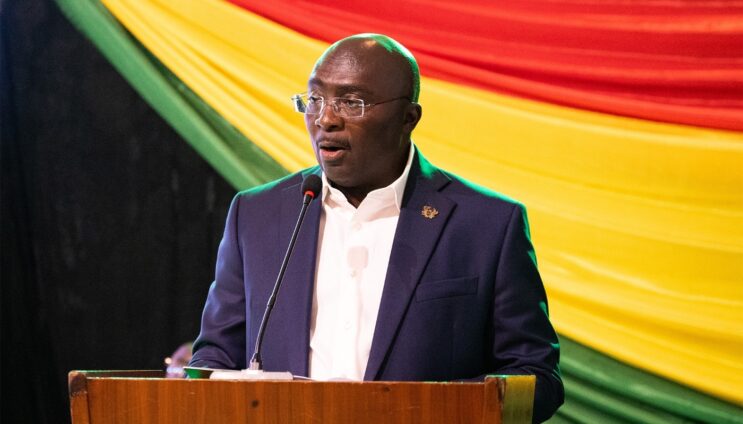
Former Vice President Dr Mahamudu Bawumia has publicly urged President John Dramani Mahama to decline assenting to the controversial Tribunals Bill, instead advocating for a broader national conversation involving key stakeholders before any legislative decision is finalised.
The intervention from Ghana's recently departed second-in-command marks a significant moment in the ongoing debate surrounding the Bill, which has drawn mixed reactions from various quarters of Ghanaian society since its introduction in Parliament.
Bawumia's Position and Demands
In his statement, Bawumia emphasised the need for extensive consultation before the President signs the Bill into law. He specifically called for meaningful engagement with labour unions, civil society organisations (CSOs), and members of the judiciary—institutions that stand to be directly affected by the legislation's provisions.
The former Vice President's public stance suggests concerns about the Bill's scope and potential implications, positioning his intervention as a call for democratic deliberation rather than rushed executive action. His emphasis on involving the judiciary is particularly noteworthy, as it suggests potential constitutional or institutional concerns within the proposed legislation.
The Background and Significance
Tribunals in Ghana serve important adjudicative functions across various sectors, from labour disputes to disciplinary matters within professional bodies. Any legislative overhaul of how these bodies operate carries substantial implications for workers' rights, corporate governance, and the broader justice system.
The involvement of labour organisations and CSOs in such discussions is critical, as these groups represent workers and citizens whose livelihoods and access to justice may be affected by changes to tribunal procedures, composition, or jurisdiction. The judiciary's perspective is equally essential, particularly if the Bill touches on matters of judicial oversight or the appointment of tribunal members.
Why It Matters for Ghana
Bawumia's call for national dialogue reflects broader anxieties within Ghana's political and civil society spheres about the legislative process and stakeholder inclusion. His intervention demonstrates that even across party lines, concerns exist about the Tribunals Bill's potential consequences for workers, businesses, and the functioning of Ghana's justice infrastructure.
For ordinary Ghanaians, tribunal systems impact everything from workplace disputes to professional licensing decisions. A poorly designed or hastily enacted Bill could create procedural confusion, delays in justice delivery, or unfair outcomes for vulnerable workers seeking redress through these mechanisms.
The call for CSO and labour involvement also underscores the importance of civil society in shaping legislation that affects public welfare—a principle central to Ghana's democratic framework. When major stakeholders are consulted, legislation tends to be more balanced, more readily accepted, and more effectively implemented.
President Mahama now faces a choice between rapid parliamentary enactment and the slower but potentially more robust path of inclusive dialogue. How the administration responds will signal its approach to legislative governance and its commitment to stakeholder engagement—issues that resonate far beyond this single Bill.
Source: 3News

Comments (0)
Be the first to comment.