Bawumia meets with business leaders to address trader and importer concerns ahead of 2028 race

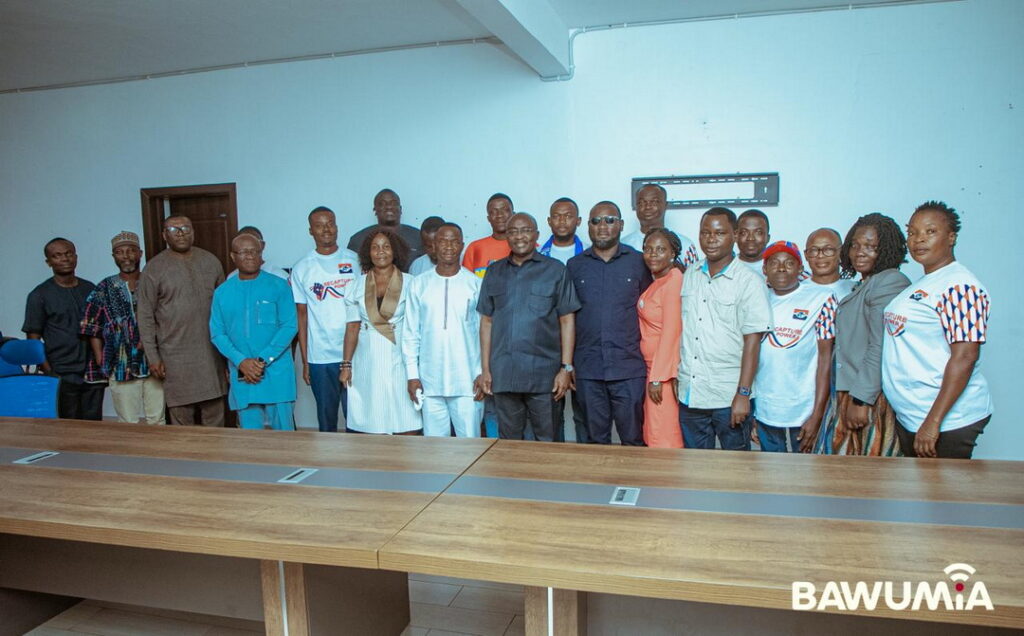
Dr Mahamudu Bawumia, the New Patriotic Party's chosen candidate for the 2028 presidential election, has convened discussions with Ghana's business community to understand the pressing challenges facing traders and importers in the country. The engagement with the Trade Advocacy Group, a coalition representing merchants, importers and business operators across multiple sectors, signals Bawumia's focus on economic policy as he positions himself for the upcoming electoral contest.
The meeting reflects the NPP's broader strategy to solidify support among key economic stakeholders ahead of 2028. Business associations, particularly those representing traders and importers, wield considerable influence over consumer prices, employment and supply chains that affect millions of Ghanaians daily. By directly engaging these groups, Bawumia aims to understand firsthand the regulatory, financial and operational hurdles businesses face.
Business sector pressures in Ghana's economy
Ghana's trading and import sectors have faced mounting difficulties in recent years, including foreign exchange volatility, high interest rates, customs delays and increased operating costs. Importers particularly struggle with currency fluctuations that affect the pricing of goods and erode profit margins. Domestic traders contend with competition from informal cross-border commerce and pressure on wholesale prices.
The Trade Advocacy Group's involvement underscores how central these business voices have become in national economic discourse. Such associations often articulate concerns that ripple across supply chains, affecting retail prices, business viability and employment in distribution networks that employ tens of thousands of Ghanaians.
Why this matters for Ghana
Economic policy will likely be central to the 2028 campaign, particularly given persistent inflation concerns and questions about Ghana's fiscal trajectory. How presidential candidates address business challenges—including forex management, interest rates, tariff structures and regulatory efficiency—will shape electoral conversations.
For traders and importers, securing policy commitments from a potential future president carries real stakes. Business-friendly policies can mean the difference between thriving operations and closures. Importers may press for exchange rate stability or reduced tariffs; traders may seek streamlined customs procedures or credit facilities. The outcomes of such engagements often translate into campaign promises that shape post-election governance priorities.
Bawumia's engagement also reflects the NPP's attempt to reframe its economic record and chart a path forward. The party will likely emphasise its track record on business regulation, infrastructure for commerce, and financial sector stability whilst addressing criticism about inflation and currency depreciation.
Building coalitions for 2028
Campaign season sees intensified outreach to organised interest groups. Business associations represent not only their members' votes but also their capacity to mobilise supporters and shape public narratives around economic management. The Trade Advocacy Group's cooperation signals openness to dialogue with political leadership, though such groups typically engage multiple candidates to ensure their concerns reach decision-makers regardless of electoral outcomes.
As Ghana approaches 2028, how well candidates translate business community concerns into policy frameworks will be scrutinised closely. Traders and importers, already navigating a complex economic environment, will weigh candidate promises against past performance and future credibility.
Source: 3News

Comments (0)
Be the first to comment.