Archbishop Agyinasare warns Ghanaians: Stop normalising social media abuse and misinformation
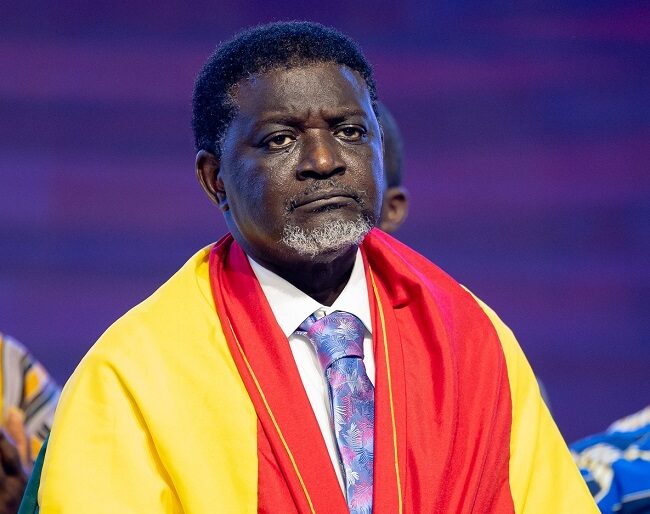
Archbishop Dr Charles Agyinasare, Founder and Leader of Perez Chapel International, has issued a stark warning to Ghanaians about the corrosive effects of unchecked social media abuse and the spread of unverified information across digital platforms. Speaking at the conclusion of a week-long Breakthrough Conference in Accra on Sunday, the prominent religious leader urged citizens to recognise the responsibility that comes with their digital reach and to reject the normalisation of abusive language in public discourse.
The Archbishop's message was particularly pointed: Ghanaians do not need to dehumanise others or resort to personal attacks in order to expose wrongdoing. "You can expose corruption without insulting people's humanity," he stated, emphasising that accountability and dignity are not mutually exclusive values in a functioning society.
The digital microphone and our responsibility
Archbishop Agyinasare highlighted a critical paradox of the modern age. While smartphones and digital platforms have democratised the ability to broadcast information—giving ordinary citizens unprecedented power to share news and hold the powerful accountable—they have simultaneously created conditions for rapid spread of falsehoods, reputation damage, and deepening public hostility.
The speed and ease with which information travels online means that unverified claims can quickly accumulate the appearance of truth simply through repetition and reach. "We live in the age of the microphone," the Archbishop declared, drawing attention to the reality that anyone with a phone now has access to an audience of thousands or millions. This democratisation of voice, he suggested, demands a corresponding democratisation of responsibility.
Central to his message was a practical framework for responsible digital citizenship. Before posting, commenting on, or sharing content, users should ask themselves four critical questions: Is it true? Have I established the facts? Is it gracious? Can I say it without humiliating someone? This test, rooted in Christian teaching, offers a straightforward checklist that could significantly reduce the circulation of harmful misinformation and abusive content.
Why this matters for Ghana
Ghana's digital landscape has become increasingly polarised, particularly during election cycles and periods of political tension. Social media platforms have become primary spaces where Ghanaians engage with current events, but they have also become breeding grounds for unverified rumours, doctored images, and vitriolic personal attacks. The Archbishop's intervention speaks to a growing concern among civil society leaders, educators, and development practitioners about the erosion of public discourse quality.
The rise of information disorder poses real risks to Ghanaian democracy and social cohesion. When citizens cannot trust the information they encounter online, when political opponents are routinely dehumanised, and when accountability is pursued through character assassination rather than substantive argument, the foundations of peaceful coexistence weaken. Archbishop Agyinasare's call for dignity—rooted in the principle that every person is created in the image of God—offers a moral counterweight to the dehumanising logic that often dominates social media.
Beyond religious frameworks, his message aligns with growing calls from media literacy advocates and fact-checking organisations for Ghanaians to become more discerning consumers and sharers of information. In a context where misinformation about health, politics, and public safety spreads rapidly, the Archbishop's emphasis on verification before circulation addresses a genuine vulnerability in the Ghanaian information ecosystem.
A call to elevate public discourse
The Archbishop concluded by urging Ghanaians to harness their digital influence to promote truth, elevate public discourse, and contribute to a more respectful society. This is not a call to silence or passivity, but rather a challenge to channel civic engagement and accountability demands through channels that preserve human dignity.
As Ghana continues to navigate its digital future, voices like Archbishop Agyinasare's reminder that power—including the power of speech—comes with responsibility are increasingly vital to the health of public life.
Source: MyJoyOnline


Comments (0)
Be the first to comment.