Akwatia MP Clarifies Parliament's Stance on GoldBod Scrutiny Row

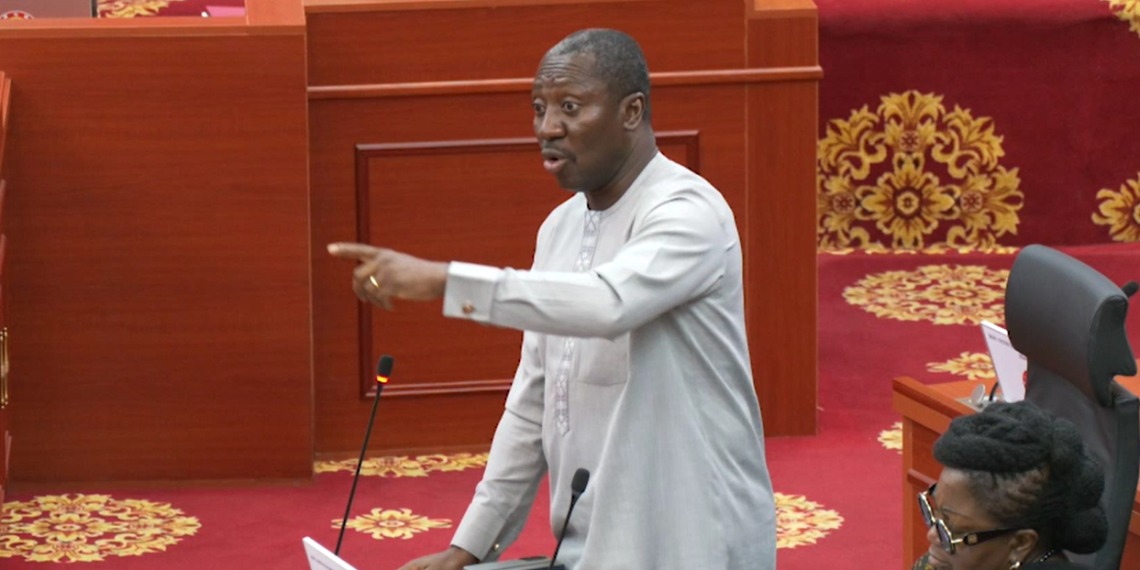
The Member of Parliament for Akwatia has moved to clarify recent parliamentary tensions surrounding GoldBod, Ghana's state-owned gold trading company, stating that the majority of lawmakers did not oppose scrutiny of the institution itself, but rather objected to the specific nine-member ad hoc committee structure that was proposed to conduct the investigation.
The clarification comes as Parliament continues to grapple with oversight of state-owned enterprises and their operations. GoldBod, which plays a crucial role in Ghana's gold trading sector and government revenue generation, has been under renewed focus as lawmakers seek to ensure transparency and accountability in the entity's management and transactions.
The Committee Structure Dispute
According to the Akwatia MP's statement, the disagreement centred not on whether GoldBod should face scrutiny—a position that commands broad parliamentary support—but rather on the composition and size of the proposed ad hoc committee. The nine-member committee structure, it appears, raised concerns among members about efficiency, representation, and the committee's ability to function effectively.
Parliamentary committees in Ghana typically vary in size depending on their mandate and the nature of the investigation. Concerns raised by legislators may have related to whether such a committee size would streamline investigations into the gold trading company's operations or potentially slow the process through bureaucratic challenges.
Why It Matters for Ghana
GoldBod holds significant importance to Ghana's economy and public finances. The company serves as a key mechanism through which the government engages in gold trading activities, with implications for foreign exchange earnings, revenue generation, and the country's broader mining sector oversight. Parliamentary scrutiny of such entities is vital to ensuring public resources are managed prudently and transparently.
The clarification also reflects ongoing parliamentary debates about the most effective structures for oversight. As Ghana seeks to strengthen governance and combat financial malpractice, the mechanisms used for investigating state institutions have come under increased attention. The dispute highlights the balance lawmakers must strike between ensuring thorough investigations and maintaining efficient parliamentary processes.
For ordinary Ghanaians, the health of state-owned enterprises like GoldBod directly affects government revenue available for public services including healthcare, education, and infrastructure. Any mismanagement or opacity in such institutions ultimately impacts resource allocation across the economy.
Moving Forward
The MP's clarification suggests that alternative committee structures or revised proposals may be forthcoming to advance the investigation while addressing legislators' concerns. Parliament has previously undertaken scrutiny of GoldBod and other state entities through various committee arrangements, and this situation may lead to refined approaches to such investigations.
The broader issue underscores the importance of parliamentary consensus on oversight mechanisms. When lawmakers can align on the substance of what needs investigating while resolving procedural disagreements constructively, the resulting scrutiny tends to be more effective and commands greater legitimacy.
Source: 3News


Comments (0)
Be the first to comment.