Africa's New Credit Rating Agency Could Lower Ghana's Borrowing Costs
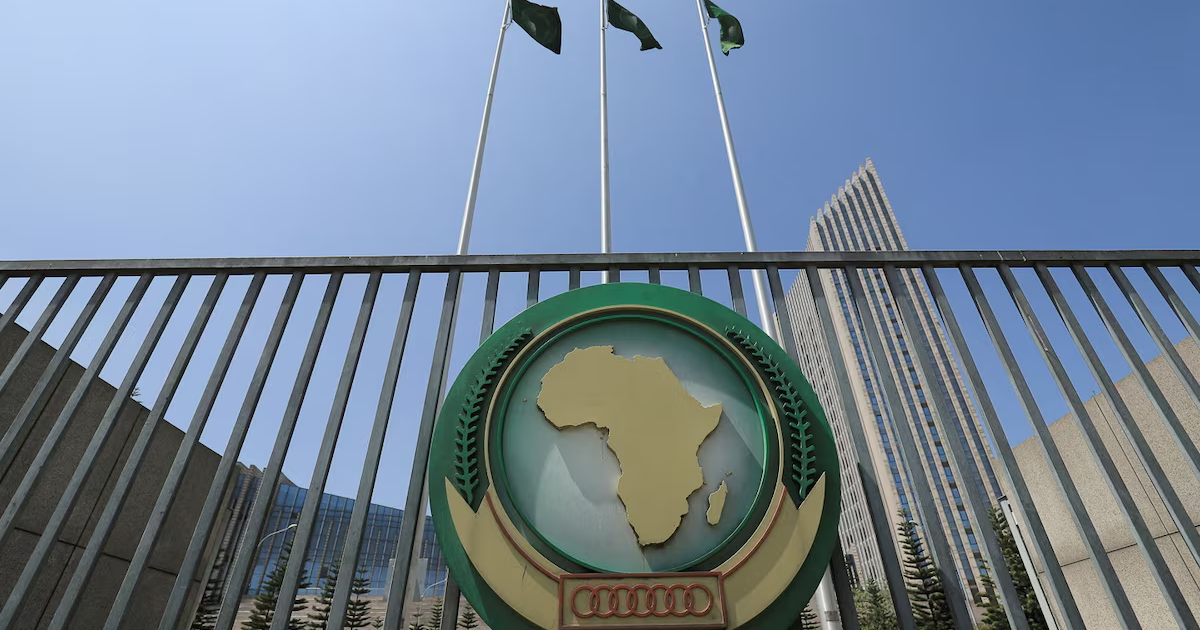
The African Union has launched the continent's first independent credit rating agency, a historic move that could reshape how African nations access global capital markets and manage their spiralling debt burdens. The Africa Credit Rating Agency (AfCRA), officially unveiled on Wednesday in Port Louis, Mauritius, represents a significant challenge to the dominance of Western ratings firms and offers fresh hope for countries like Ghana struggling with high borrowing costs.
For decades, African governments have argued that the "big three" global rating agencies—Standard & Poor's, Moody's, and Fitch—unfairly penalise African economies through overly harsh assessments, driving up borrowing costs and limiting investor appetite. While these Western agencies maintain they apply consistent methodologies worldwide, the African Union saw an opportunity to create an alternative that understands the continent's unique economic context and development trajectory.
Why It Matters for Ghana
Ghana is acutely familiar with the consequences of high borrowing costs. The country's external debt has reached unsustainable levels, forcing difficult budget choices that pit infrastructure investment against essential services like healthcare and education. With African economies rated B to B-minus on average—well below the BB rating for other emerging markets—investors demand higher interest rates to compensate for perceived risk, a gap that AfCRA aims to narrow.
Denys Denya, executive vice president of Afreximbank, one of the agency's backers, explained the frustration bluntly at the launch: "When lenders don't see clearly, they charge for the fog. Africa continues to pay for the fog that is generated by western centric examinations." For Ghana and other nations locked in debt servicing cycles, a more balanced assessment could translate into real savings—funds that could be redirected to schools, hospitals, and infrastructure instead.
The timing is urgent. Across Africa, external debt service jumped to $163 billion in 2024, up from $61 billion in 2010. In many countries, interest payments alone now consume budgets that should support critical social sectors. A more favourable rating from a credible African alternative could provide relief.
Building Credibility in a Sceptical Market
However, AfCRA faces a formidable credibility challenge. Rating experts warn that the agency's success will ultimately rest on its perceived independence and accuracy, particularly when markets face stress. Dennis Shen, a finance lecturer and former sovereign analyst, cautioned that "the hardest test will come when markets are under stress, because a rating agency's credibility is tested most severely when its conclusions are uncomfortable rather than when it is highly convenient."
Former Nigerian Vice President Yemi Osinbajo struck a cautionary note at the launch, arguing that AfCRA "can't just be a chauvinistic or nationalistic agency." The implication is clear: if AfCRA becomes a tool for African governments to inflate their own ratings, investors will quickly lose faith and the agency's entire purpose will collapse.
Broader Implications
AfCRA will rate sovereign borrowers, financial institutions, and private companies, operating independently and funded through shareholder capital and fees. The AU has not yet disclosed shareholder details, though Afreximbank's backing suggests support from major African financial institutions.
The agency is also expected to expand coverage dramatically. Currently, 23 African economies lack any rating from the major agencies, leaving investors in the dark and limiting these countries' market access. AfCRA's mandate to cover the full continent could unlock opportunities for smaller economies previously ignored by global markets.
Success is not guaranteed, but the launch represents a meaningful step towards African economic sovereignty. If AfCRA can establish genuine credibility and rigorous standards, it could reshape the continent's relationship with global capital markets—and ease the debt burden that threatens Ghana's development for decades to come.
Source: MyJoyOnline

Comments (0)
Be the first to comment.