Afram Plains irrigation project stalled as contractor awaits three million-cedi payment certificates
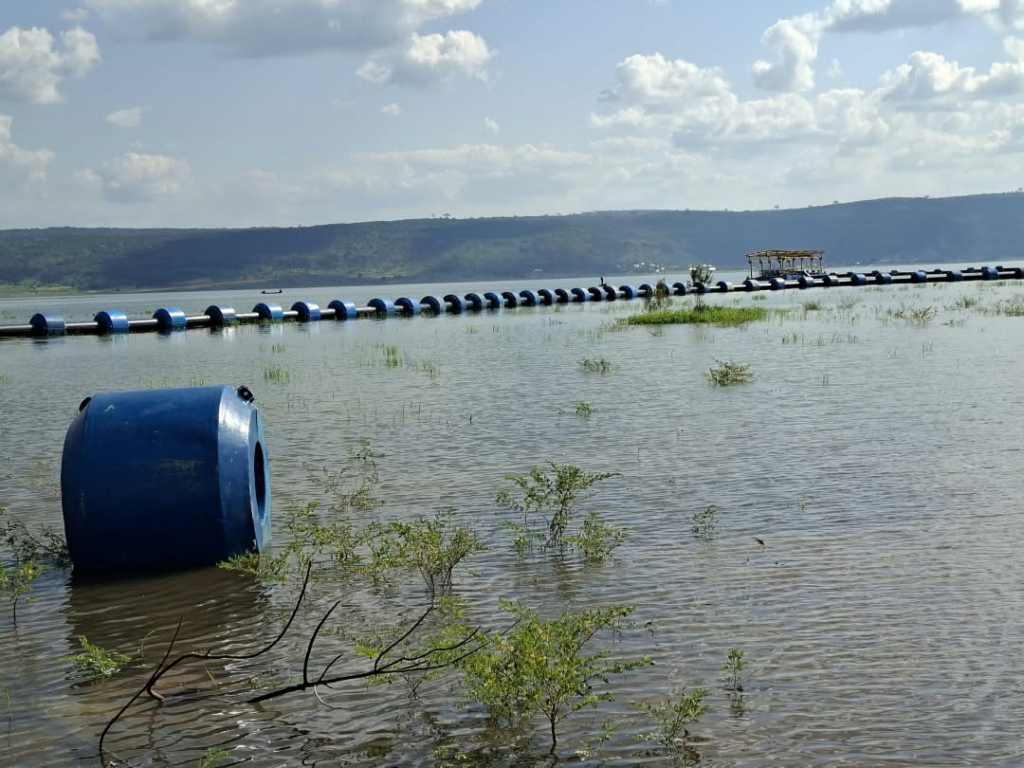
A major agricultural infrastructure project in the Afram Plains is on the verge of collapse due to unpaid contractor invoices, despite being 90 percent complete and ready for deployment by local farmers. The Ekyeamamfrom-Pivot Irrigation Project, which promises to transform food production across 350 acres, has become a victim of government funding delays that have now stretched beyond a year.
Project Manager Anthony Abubakar told Parliament's Committee on Food, Agriculture, and Cocoa Affairs during an October inspection that three outstanding payment certificates submitted since October of the previous year remain unsettled. The delays have halted critical final works that would otherwise be finished by year-end, leaving an irrigation facility that is physically ready but administratively stranded.
The project's potential for Ghanaian agriculture
Once operational, the irrigation scheme will support cultivation of potatoes, tomatoes, and other high-value crops across the Afram Plains—a region with significant agricultural potential but limited water management infrastructure. The 350-acre facility represents a substantial investment in rural food security and farmers' income generation. Early estimates suggest the project could boost local production capacity and reduce Ghana's vegetable import dependency, whilst creating employment opportunities in the surrounding communities.
Critically, farmers earmarked to benefit from the project are already positioned on site with equipment ready to begin operations immediately upon handover. This readiness suggests genuine demand and indicates the investment would not sit idle—a common risk with infrastructure projects in Ghana. The bottleneck is purely financial, not logistical or technical.
Why payment delays matter for Ghana's food agenda
The funding crisis exposes a systemic weakness in Ghana's approach to agricultural development projects. When government fails to honour payment certificates to contractors, it creates a cascade of problems: contractors cannot pay sub-contractors or workers, project timelines slip further, and investor confidence in future agricultural infrastructure deteriorates. For a country targeting food sufficiency and reduced import bills, such delays are particularly costly.
The Afram Plains specifically suffer from seasonal water scarcity that limits dry-season farming. Irrigation projects are essential for year-round production, yet Ghana's track record of completing and maintaining such facilities has been mixed. This project's proximity to completion and farmer readiness make the current funding block especially frustrating—the hard work is done, but bureaucratic delays threaten to waste it.
Mr Abubakar's appeal underscores that minimal work remains. The contractor is not asking for fresh capital or design changes; merely for payment of invoices already certified and submitted. Government agencies hold the money; the barrier is administrative processing, not resource scarcity.
Next steps and implications
If the outstanding certificates are released promptly, the project can reach farmers by year-end, allowing a single cropping cycle to begin before the 2025 farming season. Continued delays risk pushing handover into 2025, wasting another growing season and potentially demoralising participating farmers. Parliament's Committee on Food, Agriculture, and Cocoa Affairs now holds leverage to escalate the matter through Budget and Finance channels.
The outcome will signal whether Ghana's government is serious about closing the infrastructure-to-production gap in agriculture. Completing this project would demonstrate commitment; abandoning it mid-stream would reinforce perceptions that agricultural investment is treated as secondary to other budget priorities.
Source: MyJoyOnline




Comments (0)
Be the first to comment.